In the World: Nanotech on the farm
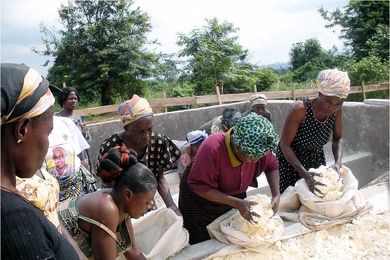
MIT chemical engineer Paula Hammond lends her nanotechnology expertise to farmers in Africa.
MIT chemical engineer Paula Hammond lends her nanotechnology expertise to farmers in Africa.
A novel sensor array is the first to detect single molecules produced by living cells.
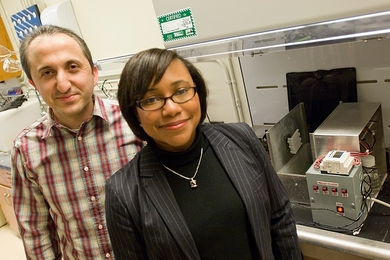
Layer-by-layer assembly system could lead to improved fuel cells, batteries and solar panels
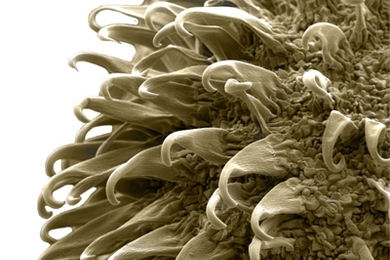
Targeted nanoparticles can home in on damaged vascular tissue and may be used to deliver drugs that help clear arteries
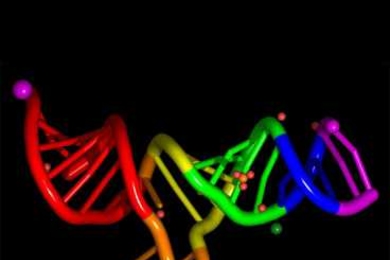
Researchers use RNA interference to silence multiple genes at once. The advance, which one expert calls a ‘substantial breakthrough,’ could lead to new treatments for liver diseases.

A proposed system would use solid-oxide fuel cells to produce power without sending CO2 into the atmosphere. But can it compete with conventional power plants?
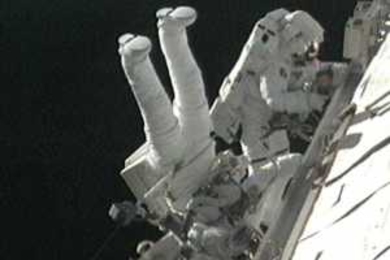
The shuttle Atlantis brought seven astronauts including Robert Satcher ’86, PhD ’93, an orthopedic surgeon who tweeted through space, back to Earth on Nov. 27, after a 11-day NASA mission to stock the International Space Station.
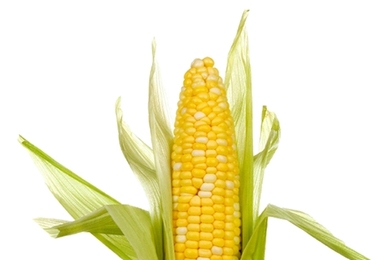
At a new plant in Iowa, MIT-rooted technology will use bacteria to turn corn into biodegradable plastics.
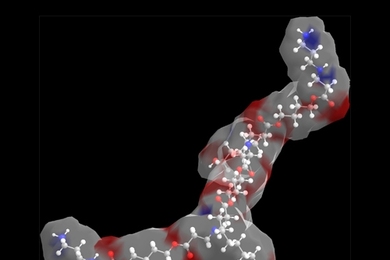
MIT team’s nanoparticles could become a safer alternative to gene therapy delivered by viruses.

In the President's visit to MIT labs he showed keen interest, quick understanding and warm appreciation, say his hosts
Since 2002, the Deshpande Center for Technological Innovation has funded more than 80 projects with over $9 M in grants. The center supports a wide range of emerging technologies including biotechnology, biomedical devices, information technology, new materials, tiny tech, and energy innovations. Eighteen projects have spun out of the center as independent startups, having collectively raised over $150 million in outside financing from investors.
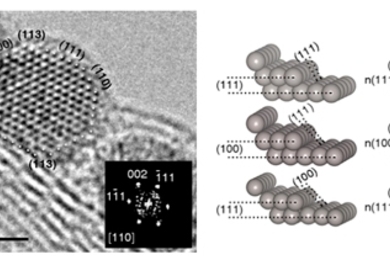
Creating tiny steps to electrode surfaces can double the efficiency of the emissions-free electricity sources, MIT researchers find.