AI-generated sensors open new paths for early cancer detection
Nanoparticles coated with molecular sensors could be used to develop at-home tests for many types of cancer.
Nanoparticles coated with molecular sensors could be used to develop at-home tests for many types of cancer.
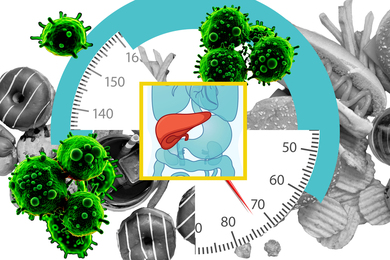
New research suggests liver cells exposed to too much fat revert to an immature state that is more susceptible to cancer-causing mutations.
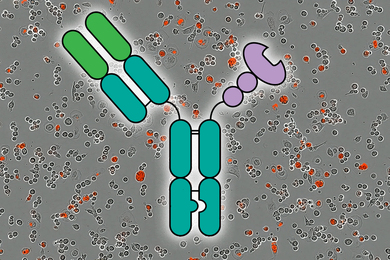
Using new molecules that block an immune checkpoint, researchers showed they could stimulate a strong anti-tumor immune response.
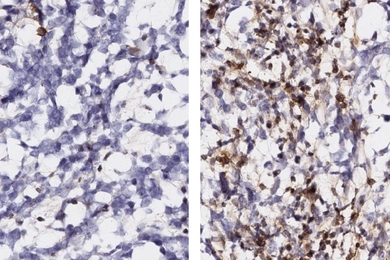
A study profiling antigens presented on immune and tumor cells in co-culture points to new strategies for attacking a treatment-resistant and deadly brain cancer.
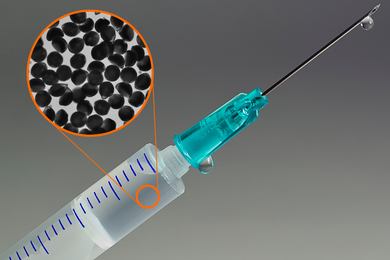
Therapeutic antibodies packaged into microparticles could be injected with a standard syringe, avoiding the need for lengthy and often uncomfortable infusions.

Using a versatile problem-solving framework, researchers show how early relapse in lymphoma patients influences their chance for survival.
Preliminary studies find derivatives of the compound, known as verticillin A, can kill some types of glioma cells.
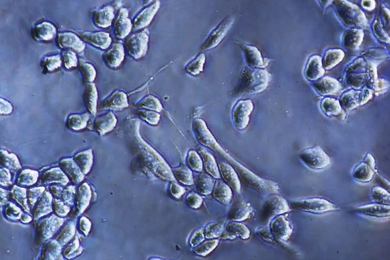
The approach could transform large-scale biomanufacturing by enabling automated and contamination-conscious workflows for cell therapies, tissue engineering, and regenerative medicine.
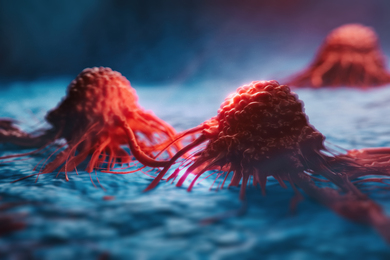
MIT researchers show they can use messenger RNA to activate the pathway and trigger the immune system to attack tumors.
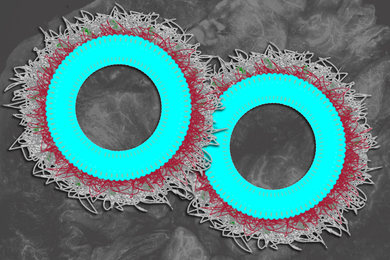
Targeted particles carrying the cytokine IL-12 can jump-start T cells, allowing them to clear tumors while avoiding side effects.

An MIT team’s technology could allow cancer drugs to be delivered more steadily into the bloodstream, to improve effectiveness and reduce side effects.
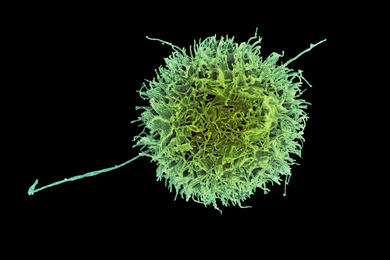
A new study identifies genetic modifications that make these immune cells, known as CAR-NK cells, more effective at destroying cancer cells.

The findings may offer a new way to help heal tissue damage from radiation or chemotherapy treatment.
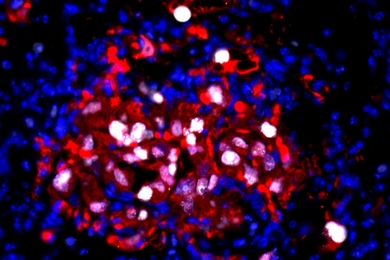
Chemotherapy-induced injury of organ tissue causes inflammation that awakens dormant cancer cells, which may cause new tumors to form.
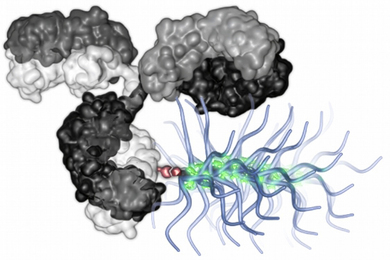
Outfitted with antibodies that guide them to the tumor site, the new nanoparticles could reduce the side effects of treatment.