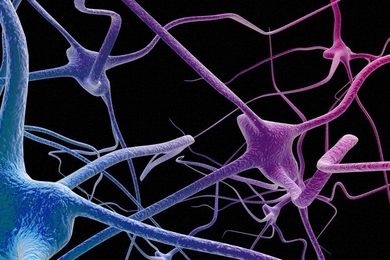
Complex brain function depends on flexibility
Neurons that can multitask greatly enhance the brain’s computational power, study finds.
Neurons that can multitask greatly enhance the brain’s computational power, study finds.

Shawn Wen ‘13, Kevin Cedrone SM ’10 PhD ‘13 and Sumana Shrestha MBA ‘13 to join the Phase I Fellowship Program

MIT neuroscientist Suzanne Corkin shares her memories of the world’s most famous amnesia patient.

Study shows how people rationally interpret linguistic input.
Among 198 elected this year to the prestigious honorary society.

Study reveals linguistic deficits behind autistic children’s difficulties understanding other people.
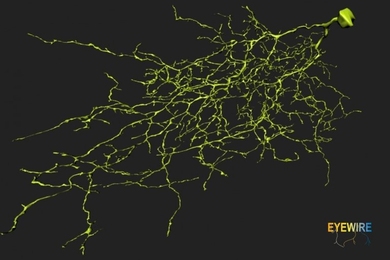
Obama invites Boyden, Brown, Desimone and Seung to launch of new federal initiative.

Griffith, Miller, Schulz and Teng awarded the Institute’s highest undergraduate teaching honor.
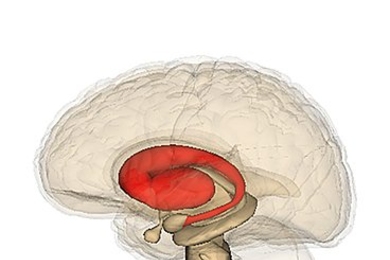
New study is first to analyze how affected brain cells respond during different behavioral tasks.

Ed Boyden honored for his work on optogenetics; will share 1 million Euro prize with five other researchers.
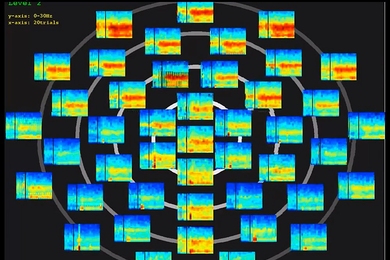
Study reveals brain patterns produced by a general anesthesia drug; work could help doctors better monitor patients.

Brain and cognitive sciences major Joy Ekuta researches, learns and teaches her way around the globe.
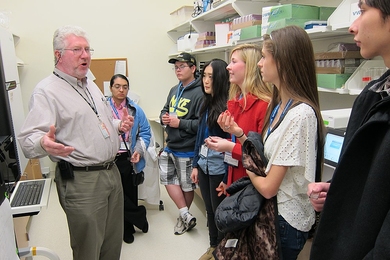
The Institution provides day’s worth of activities for more than 200 conference attendees.

Laura Schulz finds that babies learning about the world have much in common with scientists.

Mutant forms of the gene disrupt chemical modifications that control access to genes necessary for normal brain cell function.