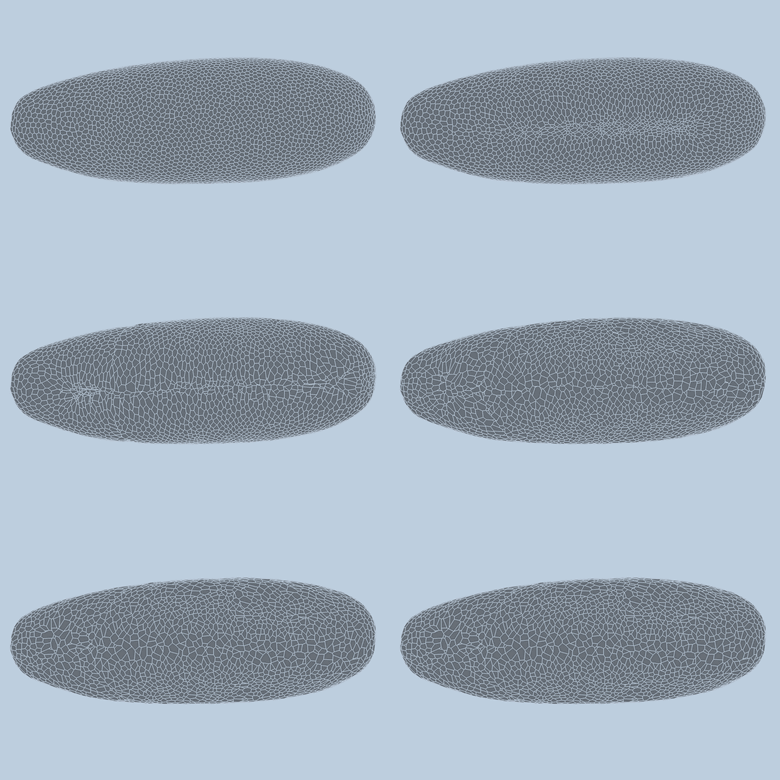
Deep-learning model predicts how fruit flies form, cell by cell
The approach could apply to more complex tissues and organs, helping researchers to identify early signs of disease.
The approach could apply to more complex tissues and organs, helping researchers to identify early signs of disease.

Angela Koehler, Iain Cheeseman, and Katharina Ribbeck are shaping the collaborative as a platform for transformative research, translation, and talent development across MIT.
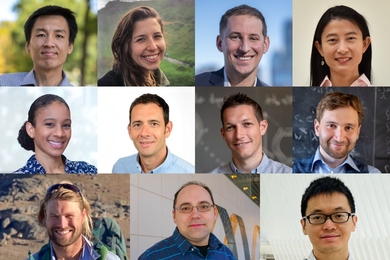
Eleven new professors join the departments of Biology; Brain and Cognitive Sciences; Earth, Atmospheric and Planetary Sciences; Mathematics; and Physics.

New findings may help researchers identify genetic mutations that contribute to rare diseases, by studying when and how single genes produce multiple versions of proteins.
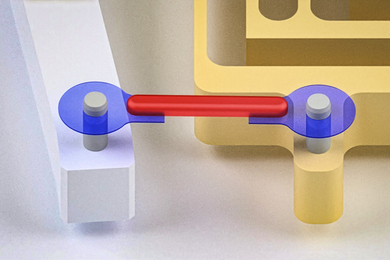
The new design from MIT engineers could pump up many biohybrid builds.
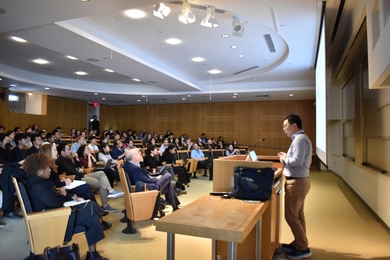
Seven speakers from around the country convened at MIT to describe some of the latest research on the neural mechanisms that we need to survive.
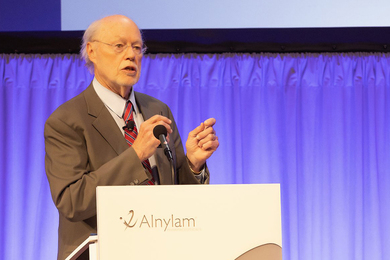
Alnylam Pharmaceuticals establishes named fund in honor of its co-founder, an MIT Institute Professor and Nobel laureate.
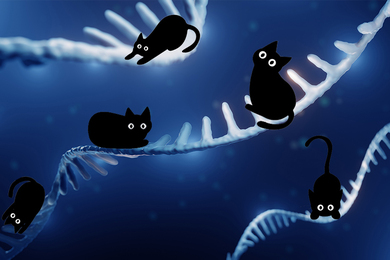
The KATMAP model, developed by researchers in the Department of Biology, can predict alternative cell splicing, which allows cells to create endless diversity from the same sets of genetic blueprints.
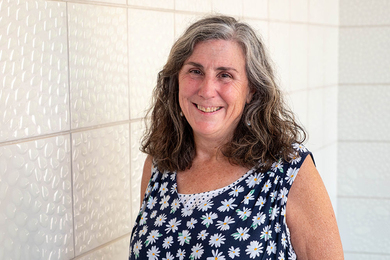
Mary Gallagher’s deeply rooted MIT experience and love of all life supports growth at the MIT Department of Biology.
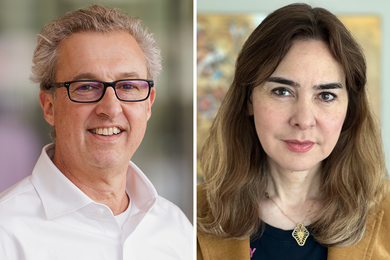
Professors Facundo Batista and Dina Katabi, along with three additional MIT alumni, are honored for their outstanding professional achievement and commitment to service.
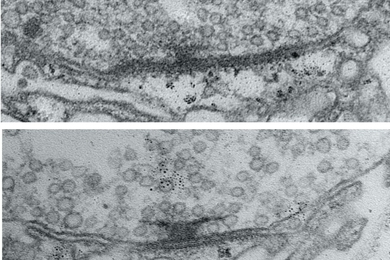
Scientists identified how circuit connections in fruit flies tune to the right size and degree of signal transmission capability. Understanding this could lead to a way to tweak abnormal signal transmission in certain disorders.
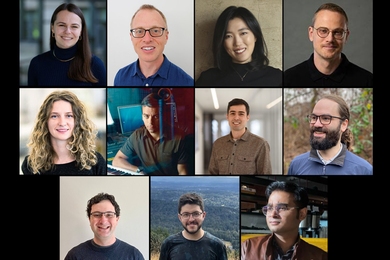
The faculty members occupy core computing and shared positions, bringing varied backgrounds and expertise to the MIT community.
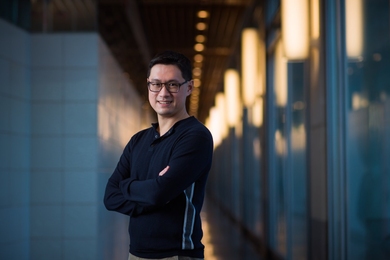
The associate professor aims to help the department continue to be a worldwide leader in education, biological sciences, and fundamental research.
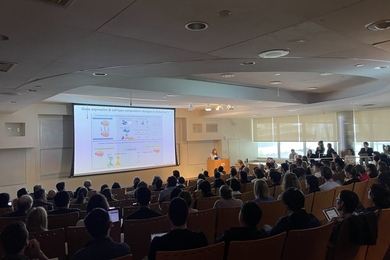
Speakers at MIT’s Aging Brain Initiative symposium described how immune system factors during aging contribute to Alzheimer’s, Parkinson’s and other conditions. The field is leveraging that knowledge to develop new therapies.
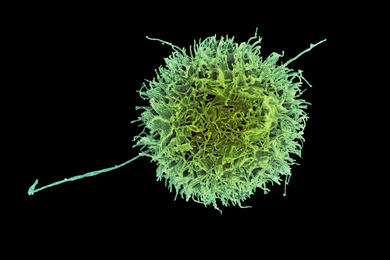
A new study identifies genetic modifications that make these immune cells, known as CAR-NK cells, more effective at destroying cancer cells.