
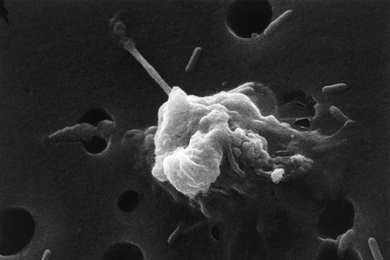
Killing a cancer cell from the inside out
Synthetic biologists design a gene circuit that, when delivered to cancer cells, forces them to commit suicide.

Stopping arthritis before it starts
A commonly used drug may prevent osteoarthritis in people who suffer severe joint injuries.
Sanofi Biomedical Innovation Award Program announces request for proposals
Biomedical Innovation Funding Awards (BIFAs)- Application deadline: Sept. 6
Daniel Schmidt, neurobiology postdoc, wins cancer fellowship
Brain-tumor researcher named among 18 fellows
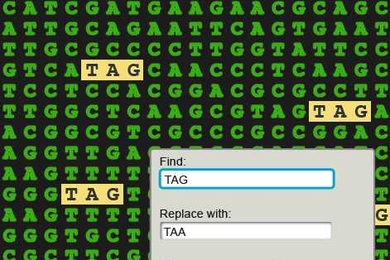
Scientists unveil tools for rewriting the code of life
New technology from MIT and Harvard can edit DNA at the genome scale, giving cells novel functions.

New material could offer hope to those with no voice
MIT and Harvard researchers are developing a synthetic material to revitalize damaged vocal cords.
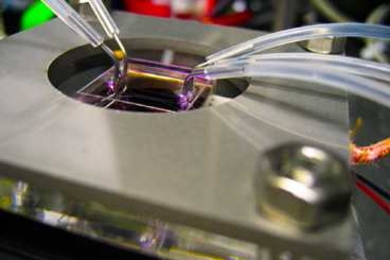
How to grow wires and tiny plates
Liquid processing method developed at MIT can control the shapes of nanowires and produce complete electronic devices.

Study explains why men are at higher risk for stomach cancer
MIT researchers show how estrogen protects women from the gastric inflammation that can lead to cancer.

Recreating human livers, in mice
‘Humanized’ mice could help scientists study the side effects of new drugs before they reach clinical trials.
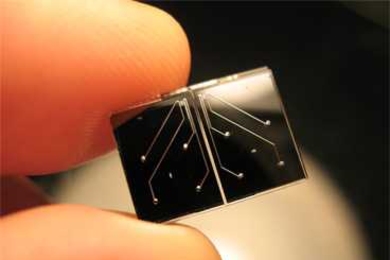
How dense is a cell?
Combining an ancient principle with new technology, MIT researchers have devised a way to answer that question.
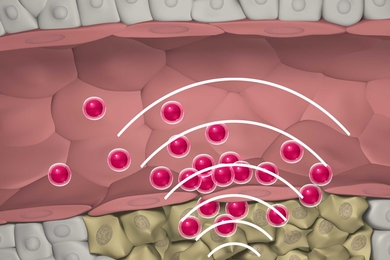
Working in harmony
MIT-designed nanoparticles communicate with each other inside the body to target tumors more efficiently.'
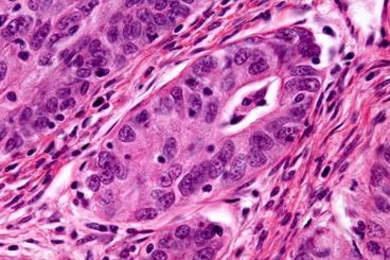
Turning off cancer’s growth signals
Biological engineers’ new approach to shutting down cell division could lead to new cancer drugs.