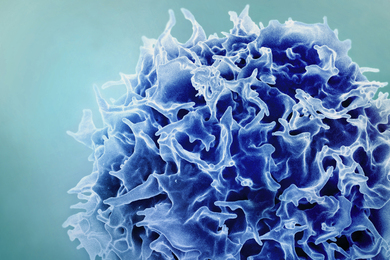
New study suggests a way to rejuvenate the immune system
Stimulating the liver to produce some of the signals of the thymus can reverse age-related declines in T-cell populations and enhance response to vaccination.
Stimulating the liver to produce some of the signals of the thymus can reverse age-related declines in T-cell populations and enhance response to vaccination.
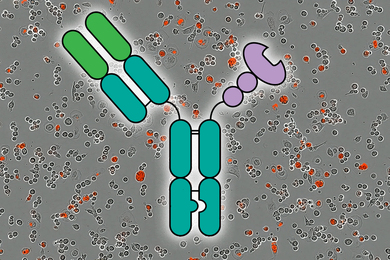
Using new molecules that block an immune checkpoint, researchers showed they could stimulate a strong anti-tumor immune response.

Angela Koehler, Iain Cheeseman, and Katharina Ribbeck are shaping the collaborative as a platform for transformative research, translation, and talent development across MIT.
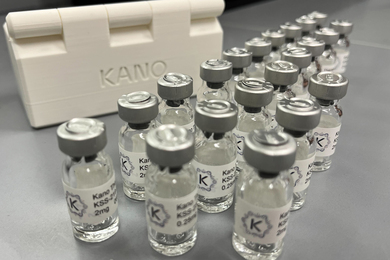
With its circular single-stranded DNA molecules, MIT spinout Kano Therapeutics plans to make gene and cell therapies safer and more effective.
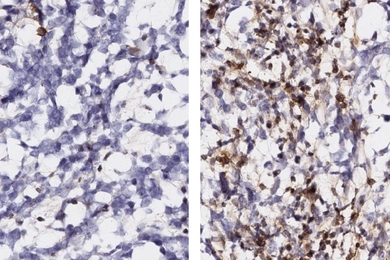
A study profiling antigens presented on immune and tumor cells in co-culture points to new strategies for attacking a treatment-resistant and deadly brain cancer.
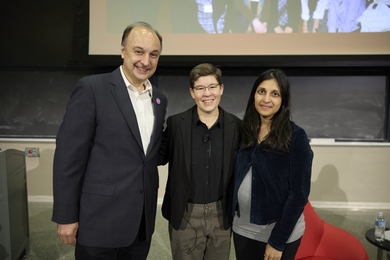
In the 2025 Dresselhaus Lecture, the materials scientist describes her work 3D printing soft materials ranging from robots to human tissues.
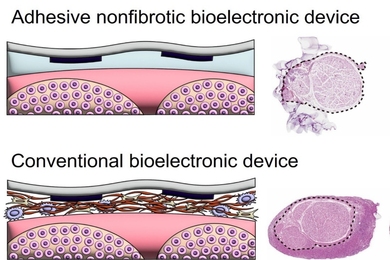
Inspired by traditional acupuncture, the approach has potential to impact all implantable bioelectronic devices, enabling applications such as hypertension mitigation.
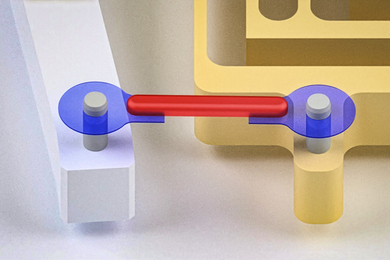
The new design from MIT engineers could pump up many biohybrid builds.
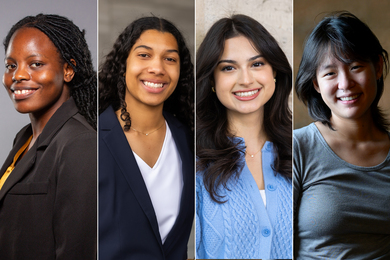
Vivian Chinoda ’25, Alice Hall, Sofia Lara, and Sophia Wang ’24 will begin postgraduate studies at Oxford University next fall.
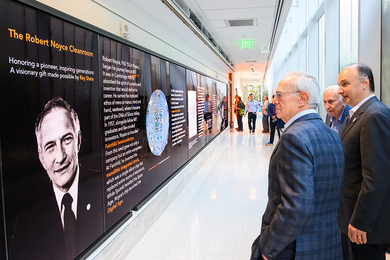
MIT.nano cleanroom complex named after Robert Noyce PhD ’53 at the 2025 Nano Summit.
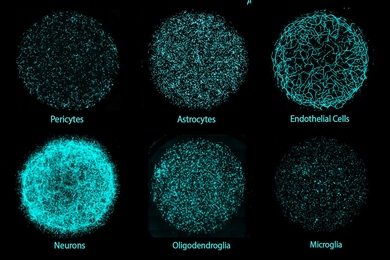
Cultured from induced pluripotent stem cells, “miBrains” integrate all major brain cell types and model brain structures, cellular interactions, activity, and pathological features.
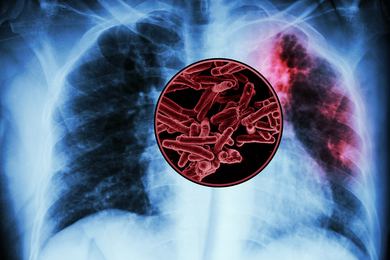
Using these antigens, researchers plan to develop vaccine candidates that they hope would stimulate a strong immune response against the world’s deadliest pathogen.
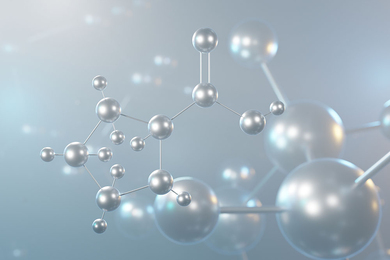
Adding amino acids to certain protein-based medications can improve stability and effectiveness. New MIT research demonstrates how it works.

A beloved member of the Department of Mechanical Engineering for nearly 60 years, Yannas helped save the lives of thousands of burn victims through his research and innovation.
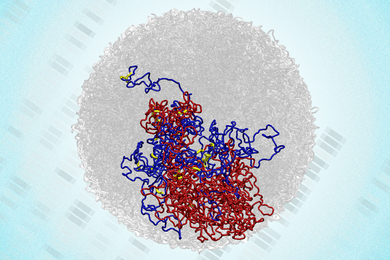
Enabled by a new high-resolution mapping technique, the findings overturn a long-held belief that the genome loses its 3D structure when cells divide.