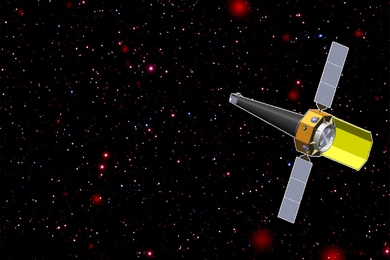
AXIS mission selected as NASA Astrophysics Probe competition finalist
MIT Kavli Institute scientists and collaborators will produce a concept study to launch a $1B experiment to investigate the X-ray universe.
MIT Kavli Institute scientists and collaborators will produce a concept study to launch a $1B experiment to investigate the X-ray universe.
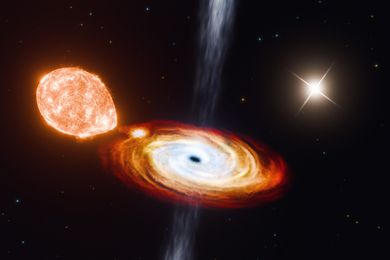
System observed 8,000 light-years away may be the first direct evidence of “gentle” black hole formation.
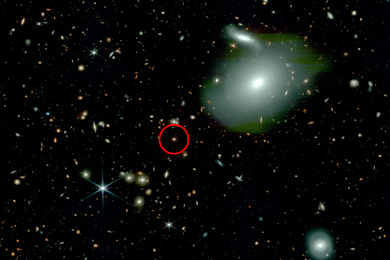
The quasars appear to have few cosmic neighbors, raising questions about how they first emerged more than 13 billion years ago.
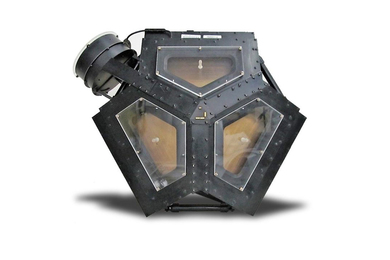
The Plasma Science Experiment aboard NASA’s Voyager 2 spacecraft turns off after 47 years and 15 billion miles.
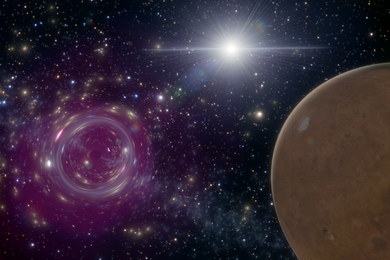
Watching for changes in the Red Planet’s orbit over time could be new way to detect passing dark matter.
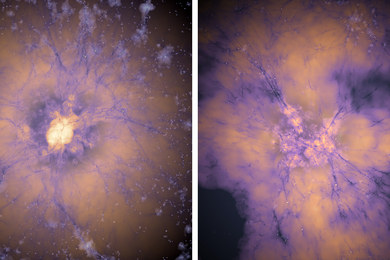
In the universe’s first billion years, this brief and mysterious force could have produced more bright galaxies than theory predicts.

By studying ancient, supermassive black holes called quasars, Dominika Ďurovčíková is illuminating an early moment when galaxies could first be observed.
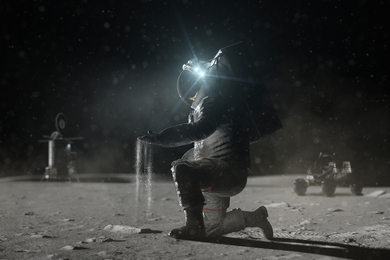
The barely-there lunar atmosphere is likely the product of meteorite impacts over billions of years, a new study finds.
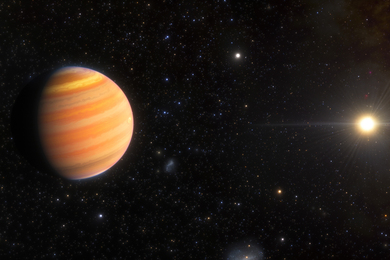
The planet’s wild orbit offers clues to how such large, hot planets take shape.
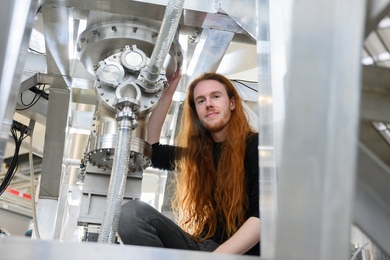
Thomas Varnish has always loved a hands-on approach to science. Research in lab-based astrophysics has enabled the PhD student to experiment in a heavily theoretical subject.
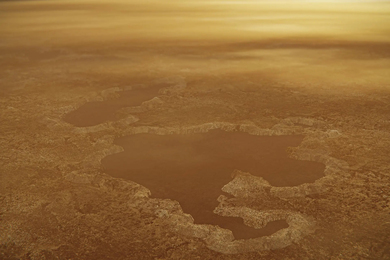
MIT researchers find wave activity on Saturn’s largest moon may be strong enough to erode the coastlines of lakes and seas.

MIT scientists honored in each of the three Kavli Prize categories: neuroscience, nanoscience, and astrophysics, respectively.
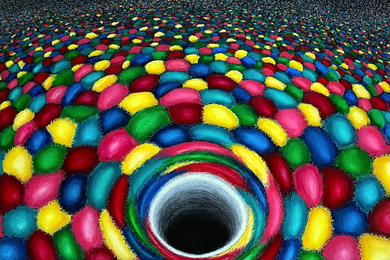
In the first quintillionth of a second, the universe may have sprouted microscopic black holes with enormous amounts of nuclear charge, MIT physicists propose.

American Astronomical Society’s Division on Dynamical Astronomy honors the assistant professor and MIT Kavli member for contributions to the dynamics of multi-planet extrasolar systems.
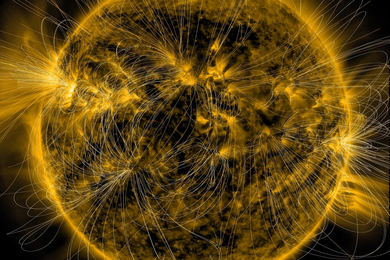
Sunspots and flares could be a product of a shallow magnetic field, according to surprising new findings that may help scientists predict space weather.