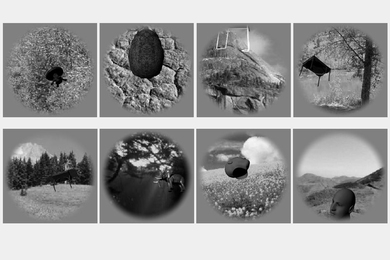
In one aspect of vision, computers catch up to primate brain
Newest computer neural networks can identify visual objects as well as the primate brain.
Newest computer neural networks can identify visual objects as well as the primate brain.

Robots, virtual visit from will.i.am aim to get kids excited about programming.

New system enables pattern-recognition systems to convey what they learn to humans.
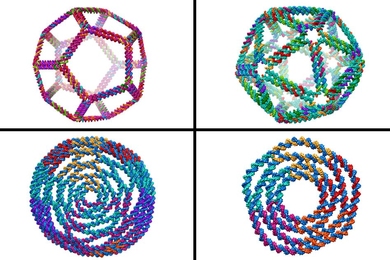
Engineers computer-design the most complicated 3-D structures ever made from DNA.

Model for evaluating product-recommendation algorithms suggests that trial and error get it right.
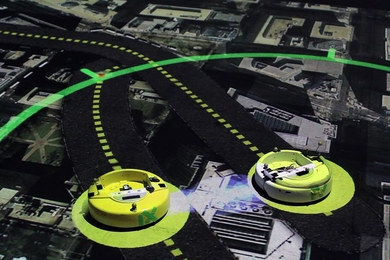

CSAIL/LIDS team's algorithm doubles initial investment in under two months.
Analysis of 89 models of metabolic processes finds flaws in 44 of them — but suggests corrections.
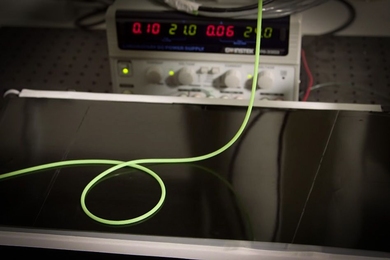
A simulation technology from movies is used to predict coiling patterns in the lab.

Cognitive coexistence radio and other technologies will help alleviate spectrum congestion for wireless devices.

Coding scheme for interactive communication is the first to near optimality on three classical measures.
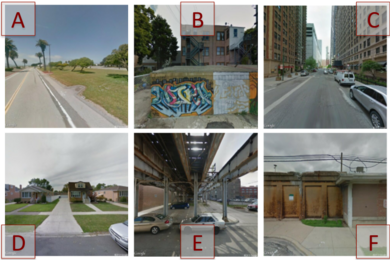
Deep-learning algorithm can weigh up a neighborhood better than humans.
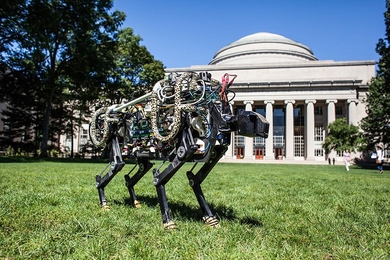
New algorithm enables MIT cheetah robot to run and jump, untethered, across grass.

A new analytic framework enables analysis of GPS data on 150 million cab rides in New York City.
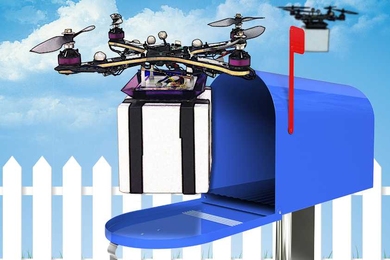
New algorithm lets drones monitor their own health during long package-delivery missions.