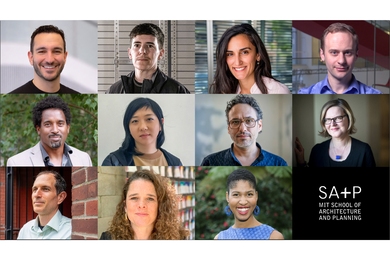
Faculty receive promotions in the School of Architecture and Planning for 2026
The range of faculty disciplines showcases the breadth of research and scholarship across the school.
Download RSS feed: News Articles / In the Media / Audio
The range of faculty disciplines showcases the breadth of research and scholarship across the school.

A new method, called CW-Net, translates the reasoning process of an autonomous vehicle’s AI system into understandable concepts that explain its behavior.
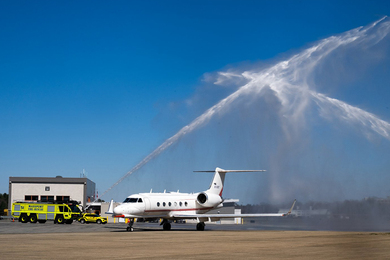
The modified aircraft will support an ongoing US Air Force program to assess and enhance the survivability of air and space vehicles.
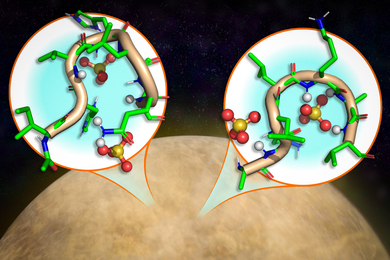
New research offers support for the possibility that complex biological molecules could exist in the highly acidic environment of Venus’s cloud layer.
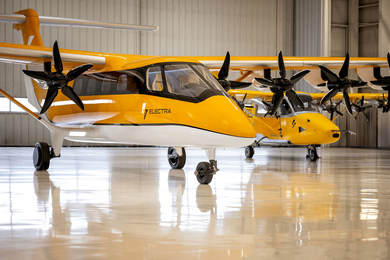
Electra’s hybrid, fixed-wing aircraft, which grew out of a class project, could make travel easier for passengers taking shorter trips.

A new online platform helps engineers look beyond survival mode when designing habitats for extreme living conditions.
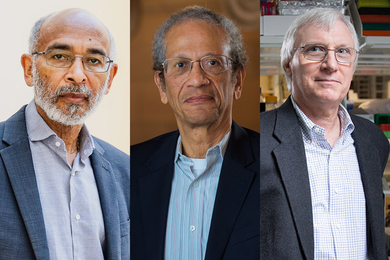
Longtime professors and experts in the fields of anesthesiology, aerospace engineering, and biological engineering, respectively, receive MIT’s highest faculty honor.
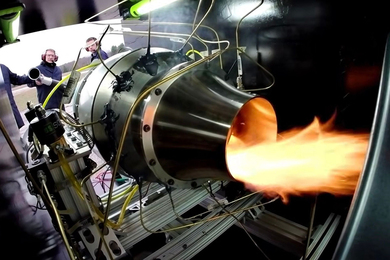
MIT students designed, built, and tested a jet engine with AI copilots, assessing AI’s usefulness in developing high-performance aerospace systems.
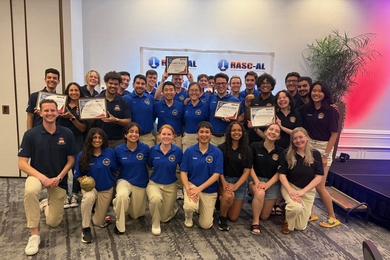
Three MIT teams took five top awards in the 2026 NASA RASC-AL Competition for designing critical elements for the moon base and future missions to Mars.

To help robots do chores in places like homes and factories, a new approach from MIT uses one language model to clarify users’ instructions, then another to ignore irrelevant info.
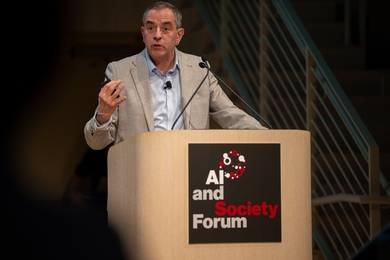
During the AI and Society Forum, leading MIT researchers examined critical questions about AI’s influence on employment and democracy.
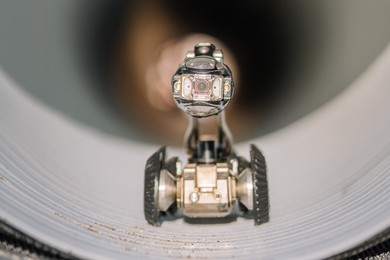
Researchers combined an efficient algorithm with dedicated hardware to rapidly generate 3D maps for navigation using minimal memory and power.
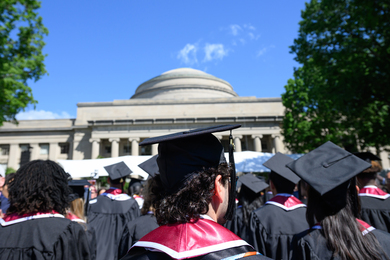
Ranking at the top for the 15th year in a row, the Institute also places first in 12 subject areas.
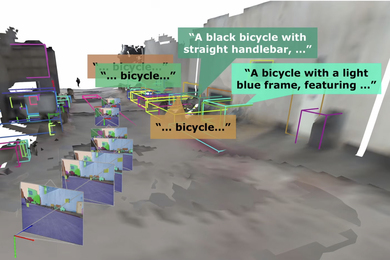
A new spatial memory system for robots efficiently captures details about the objects they see while exploring their environment.
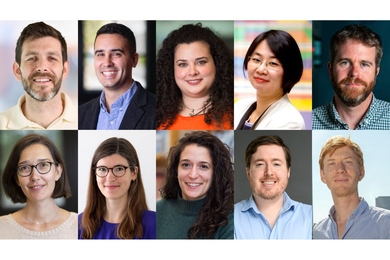
Ten faculty members have been granted tenure in five units across MIT’s School of Engineering.