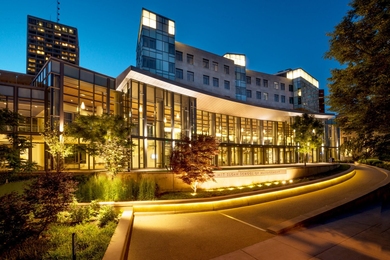
3 Questions: MIT Sloan launches Evening MBA
Dean Richard Locke discusses a new program that expands access for working professionals while deepening connections to Greater Boston’s innovation economy.
Dean Richard Locke discusses a new program that expands access for working professionals while deepening connections to Greater Boston’s innovation economy.
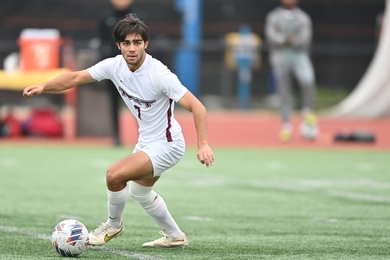
The rising senior is passionate about soccer, nuclear fusion, and advocating on behalf of his fellow student-athletes at MIT.
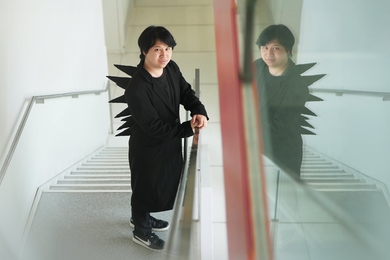
Assistant Professor Pat Pataranutaporn describes a new interface that lets everyday users glimpse inside an AI's neural network before their chatbot ever says a word.
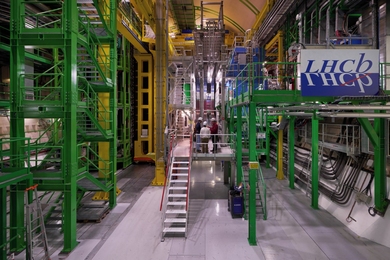
Assistant Professor Eluned Smith describes how new LHC data confirm a previously observed tension with the Standard Model, plus what else will be needed to determine whether new physics is at play.
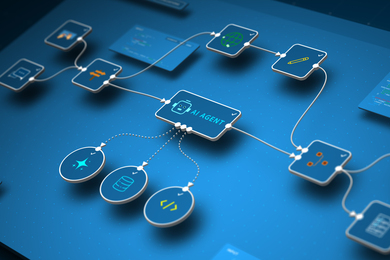
Computer scientist Phillip Isola cuts through the hype to explain how AI agents work and what the future might hold for this rapidly advancing technology.
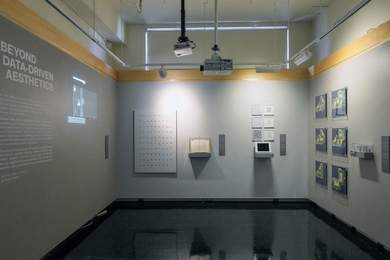
In a new Keller Gallery exhibition, Alexandros Haridis SM ’17, PhD ’22 traces centuries of ideas about aesthetic judgment and explores how design can make complex computational systems visible.
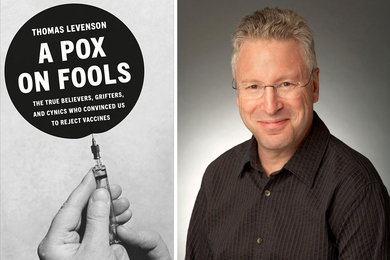
Thomas Levenson’s new book shows how arguments against vaccination reach back to the beginning of the technology itself.

The rising second-year loves telling stories about food and friends, from oxtail and ackee in Jamaica to Thanksgiving dinner in New Vassar, as an MIT Dining Ambassador.
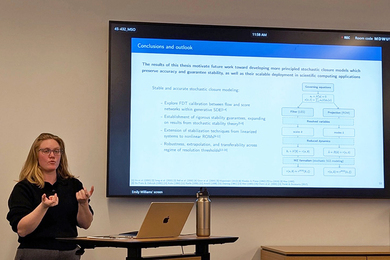
MIT doctoral candidate Emily Williams reflects on her time at the Center for Computational Science and Engineering as she becomes the program’s first graduate.

VP for Communications Alfred Ironside describes how a new initiative from MIT seeks to remind Americans of the value and power of curiosity-driven research.

Pablo Duenas-Martinez, a MITEI research scientist, describes the “death spiral” of events that caused the 12-hour Iberian peninsula power outage in 2025, and five lessons learned.
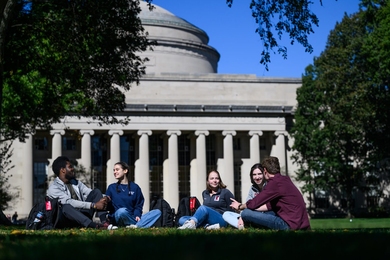
Dimitris Bertsimas and Megan Mitchell discuss the motivation behind Universal Learning, and what sets the new MIT Open Learning educational initiative apart.
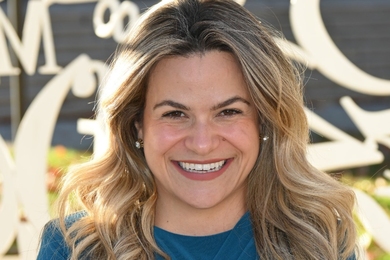
Through mentorship, enthusiasm, and a global perspective, Gabi Hott Soares supports student leaders at MIT.
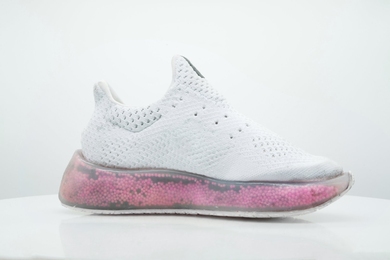
Associate Professor Skylar Tibbits discusses a new technology that uses granular convection to deliver individualized performance.
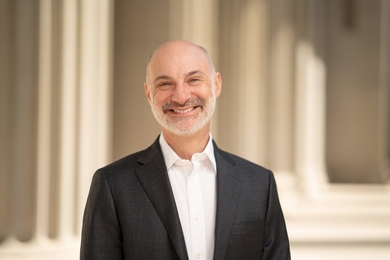
As the School of Humanities, Arts, and Social Sciences marks 75 years, Dean Agustín Rayo reflects on how AI is reshaping higher education and why SHASS disciplines continue to be central to MIT’s mission.