Environment, infrastructure, and people Faculty discuss interdisciplinary research and educational initiatives in the CEE New Research Alumni Breakfast. November 6, 2015 Read full story →
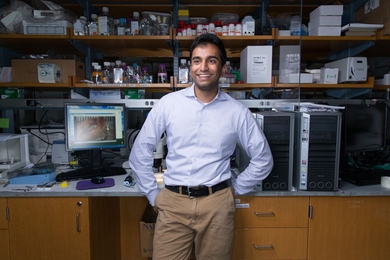
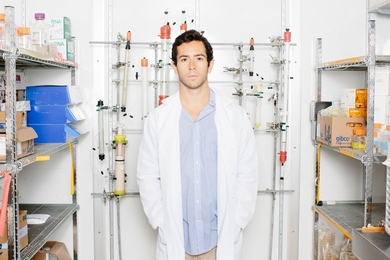
Tackling cancer research from multiple perspectives Graduate student Tushar Kamath takes an interdisciplinary approach to cancer research. November 2, 2015 Read full story →
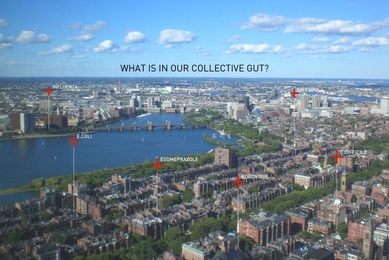
Real-time epidemiology from urban wastewater MIT and Kuwait researchers have been awarded $4 million to fund Underworlds, a study of real-time epidemiology using biomarkers in urban sewage. November 2, 2015 Read full story →
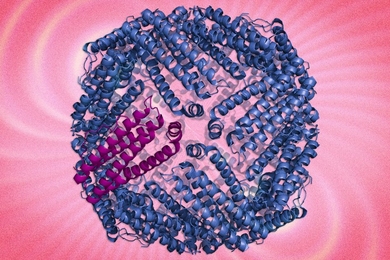
Engineers design magnetic cell sensors New protein nanoparticles allow scientists to track cells and interactions within them. November 2, 2015 Read full story →
Grad students honor caring faculty through Committed to Caring (C2C) Awards Celebration of “above and beyond” support enters second year. October 30, 2015 Read full story →
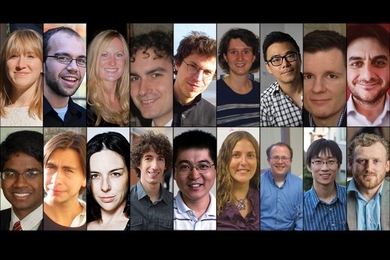
New engineering faculty for 2015-2016 The School of Engineering welcomes 18 new faces. October 28, 2015 Read full story →
$20 million Commonwealth Foundation for Cancer Research gift to expand collaborative cancer research Gift will augment the Bridge Project, a collaborative project between the Dana-Farber/Harvard Cancer Center and MIT's Koch Institute. October 28, 2015 Read full story →
Mapping the 3-D structure of DNA PhD student Abe Weintraub helps identify when DNA folding is helpful, and when it might cause cancer. October 26, 2015 Read full story →
Fueling solutions “Fuel” pillar at MIT Solve underscores energy’s crucial role in solving humanity’s biggest challenges. October 26, 2015 Read full story →
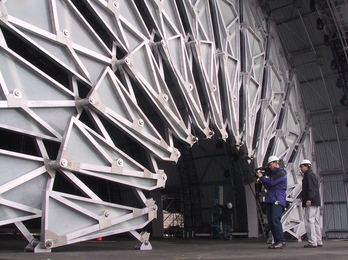
Interdisciplinary Design Conversations will feature Chuck Hoberman Public event on Nov. 3 will highlight transformable designs. October 21, 2015 Read full story →
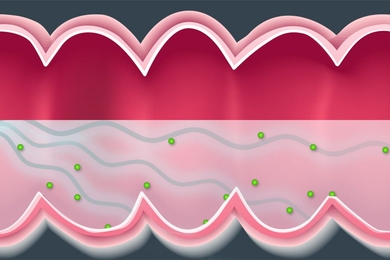
Using ultrasound to improve drug delivery New approach could aid in treatment of inflammatory bowel disease. October 21, 2015 Read full story →
The resilience of Admir Masic A former Bosnian refugee — and new CEE faculty member — finds parallels in his life, his research, and a current political crisis. October 20, 2015 Read full story →
Kwanghun Chung awarded Packard Fellowship Funding will support the development of novel technologies for better understanding of large-scale biological systems. October 20, 2015 Read full story →
Taking stress to a new level MIT spinout Neumitra brings an innovative approach to quantifying, understanding, and managing stress. October 19, 2015 Read full story →
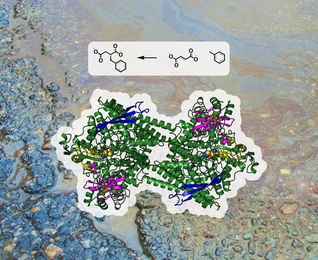
Using microbes to clean up oil spills Professor Catherine Drennan and graduate student Michael Funk want energy production and environmental protection to go hand in hand. October 19, 2015 Read full story →