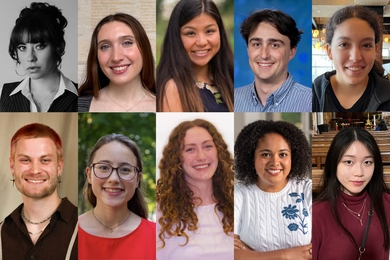
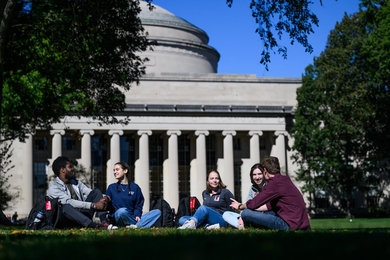
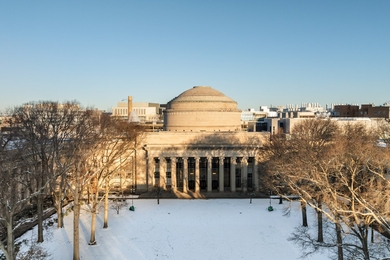
This year, over half of MIT’s Fulbright applicants won awards. The current students and alumni will embark on research projects and teaching abroad in 2026-27.
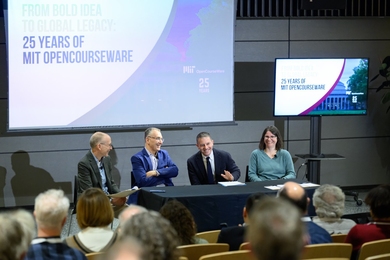
Twenty-five years ago, MIT opened its curriculum to the world with the launch of OpenCourseWare. MIT Open Learning continues to build on the legacy of that bold decision.
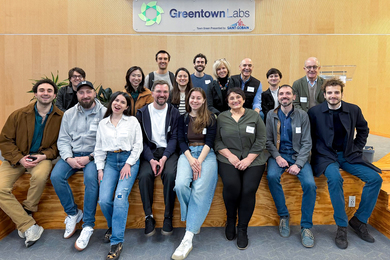
Students in a Department of Urban Studies and Planning course work with leaders from Vinnytsia, Ukraine, exploring innovation ecosystems, infrastructure, and workforce development amid constraints of war.
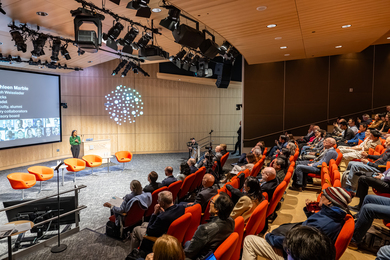
The MIT Marble Center for Cancer Nanomedicine looks back at 10 years of turning big ideas about nanotechnology into transformative advances for cancer patients.
Dimitris Bertsimas and Megan Mitchell discuss the motivation behind Universal Learning, and what sets the new MIT Open Learning educational initiative apart.