Search Stories
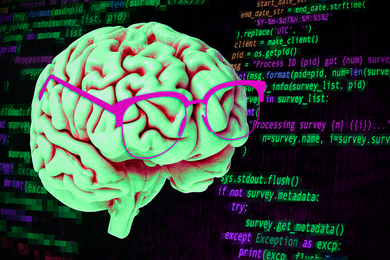
To the brain, reading computer code is not the same as reading language
Neuroscientists find that interpreting code activates a general-purpose brain network, but not language-processing centers.
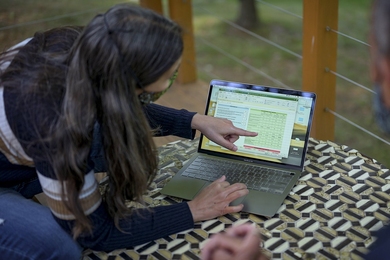
Making data-informed Covid-19 testing plans
A new web-friendly modeling tool helps organizations build tailored Covid-19 testing strategies that can save money and reduce coronavirus spread.

MISTI shifts to fully remote global internships and cultural experiences amid pandemic
MIT students Robert Koirala and Grace Smith intern for a nonprofit promoting educational and health equity in India.
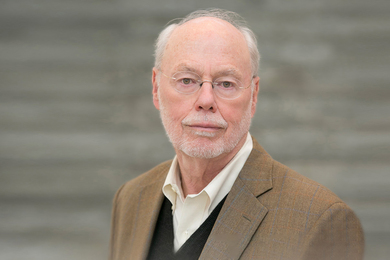
3 Questions: Phillip Sharp on the discoveries that enabled mRNA vaccines for Covid-19
Curiosity-driven basic science in the 1970s laid the groundwork for today’s leading vaccines against the novel coronavirus.
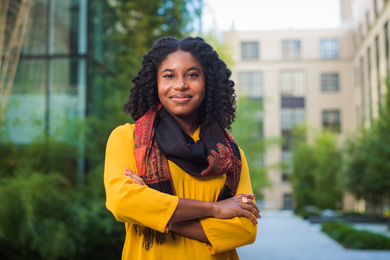
An engineering student expands her focus
For senior Danielle Grey-Stewart, a pivotal experience away from campus led to a new sense of purpose at MIT.
Explained: Quantum engineering
Quantum computers could usher in a golden age of computing power, solving problems intractable on today’s machines.
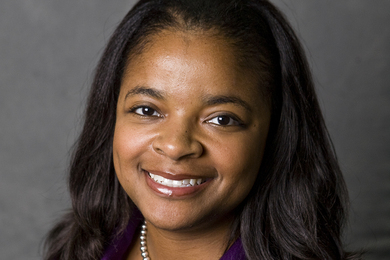
Q&A: Valencia Joyner Koomson ’98, MNG ’99 on new possibilities in microelectronic health systems
MLK Visiting Scholar focuses on microelectronics for cell analysis and biomedical applications.
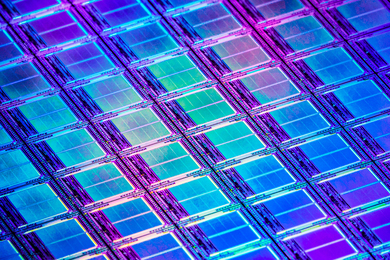
Discovery suggests new promise for nonsilicon computer transistors
Once deemed suitable only for high-speed communication systems, an alloy called InGaAs might one day rival silicon in high-performance computing.

Professor Emerita Judith Jarvis Thomson, highly influential philosopher, dies at 91
Longtime MIT moral philosopher was a transformational figure and “the atomic ice-breaker for women in philosophy.”
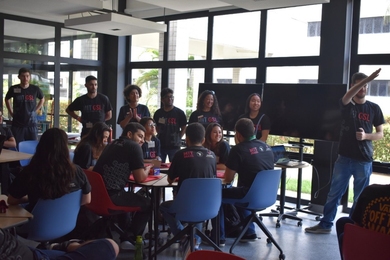
Twenty years of cultivating tech entrepreneurs
During virtual celebration, alumni attest to transformative reach of MIT Global Startup Labs.
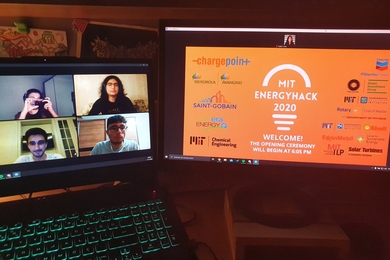
Focusing on innovative solutions to the world’s energy challenges
The MIT Energy Club hosts its sixth annual EnergyHack with 260 participants joining in from around the globe in this all-virtual event.
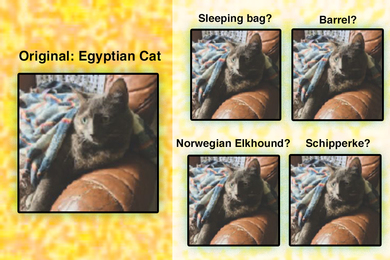
Neuroscientists find a way to make object-recognition models perform better
Adding a module that mimics part of the brain can prevent common errors made by computer vision models.

3 Questions: Hessam AzariJafari on mitigating climate change with reflective pavements
MIT postdoc explains how reflective pavements can significantly — and often indirectly — mitigate climate change and extreme heat.

Leveraging the power of neurodiversity
The startup Ultranauts offers software and data quality engineering services with a team made up mostly of people on the autism spectrum.