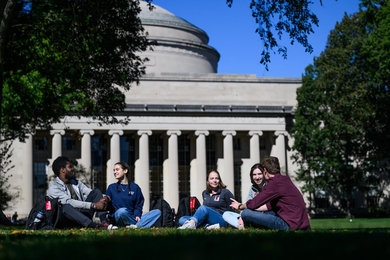
VP for Communications Alfred Ironside describes how a new initiative from MIT seeks to remind Americans of the value and power of curiosity-driven research.
Dimitris Bertsimas and Megan Mitchell discuss the motivation behind Universal Learning, and what sets the new MIT Open Learning educational initiative apart.
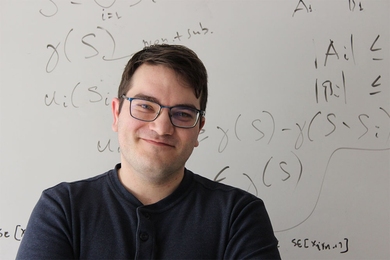
A new technique helps scientists measure a phenomenon that can cause quantum circuits to perform differently than expected, increasing the error in computations.
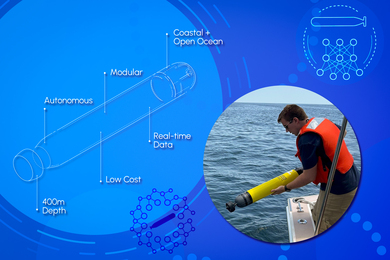
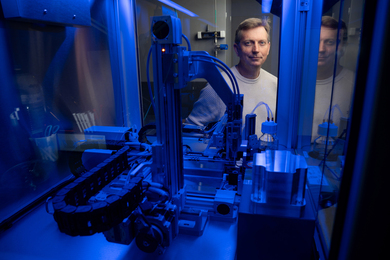
Founded by Ravi Pappu SM ’95, PhD ’01, Apeiron Labs is deploying low-cost ocean sensors to improve storm forecasts, detect endangered species, and more.
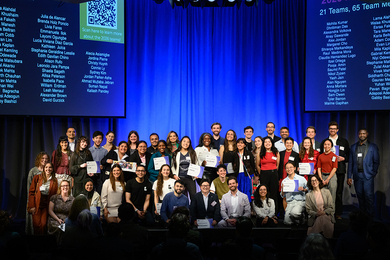
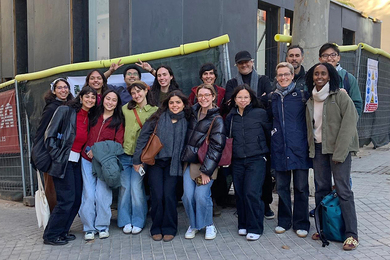
At the 25th IDEAS Social Innovation Incubator Showcase and Awards, 21 student-led ventures joined 1,200 alumni-led ventures tackling the world’s most pressing problems through social entrepreneurship.
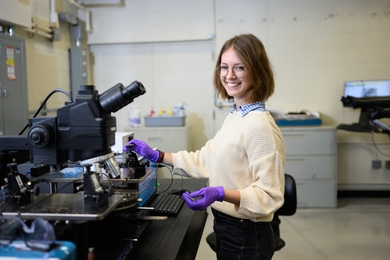
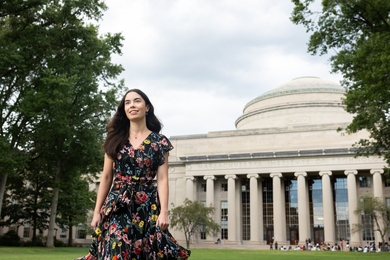
Mathematician Amanda Burcroff is developing frameworks for understanding algebraic and geometric spaces in science as part of the School of Science Dean’s Postdoctoral Fellowship.