As the international program approaches its 60th year, leaders are reshaping its curriculum to address emerging technologies and the policies shaping their use in urban planning.
MIT RAISE and Georgia State University announce an initiative to connect universities, community colleges, industry, and government to expand industry-aligned AI training and career pathways.
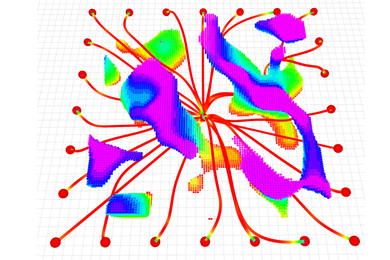
By rapidly generating a smooth path plan that cuts travel time and avoids obstacles, the open-source “MIGHTY” system could streamline disaster recovery and parcel delivery.
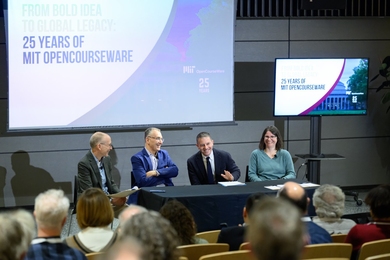
Twenty-five years ago, MIT opened its curriculum to the world with the launch of OpenCourseWare. MIT Open Learning continues to build on the legacy of that bold decision.
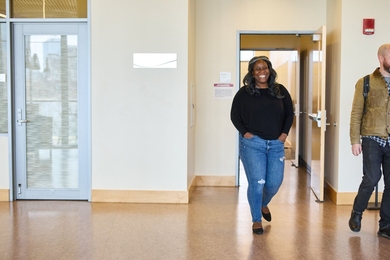
Akorfa Dagadu, an MIT senior in chemical engineering, learns the importance of community-engaged research and innovation through the PKG Center for Social Impact.