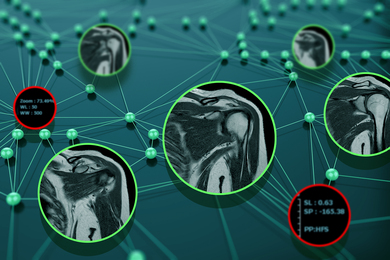
Using deep convolutional neural networks, researchers devise a system that quickly analyzes wide-field images of patients’ skin in order to more efficiently detect cancer.
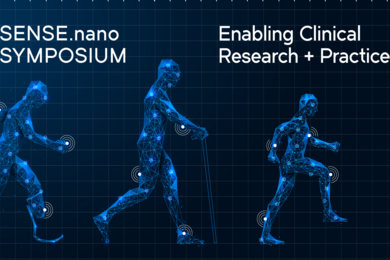
By measuring a person’s movements and poses, smart clothes developed at MIT CSAIL could be used for athletic training, rehabilitation, or health-monitoring for elder-care facilities.
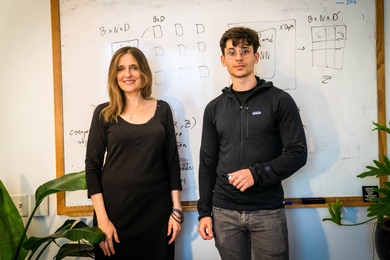
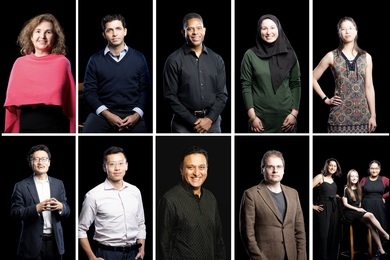
Regina Barzilay, Fotini Christia, and Collin Stultz describe how artificial intelligence and machine learning can support fairness, personalization, and inclusiveness in health care.
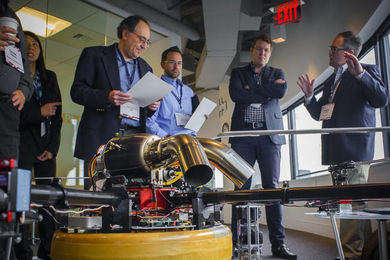
A new method called tensor holography could enable the creation of holograms for virtual reality, 3D printing, medical imaging, and more — and it can run on a smartphone.