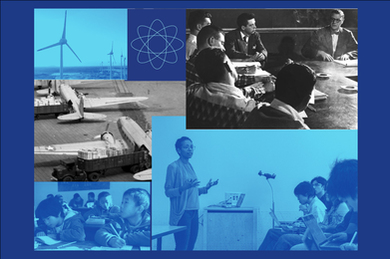
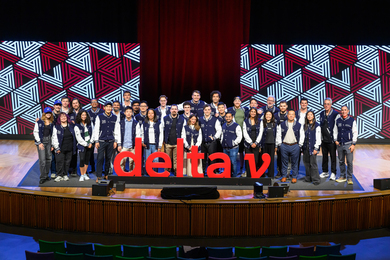
For 75 years, the Center for International Studies has brought together social scientists, engineers, and practitioners to understand global change, shape public debate, and address generational challenges.
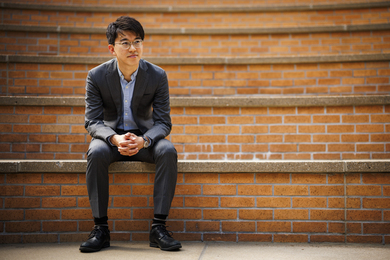
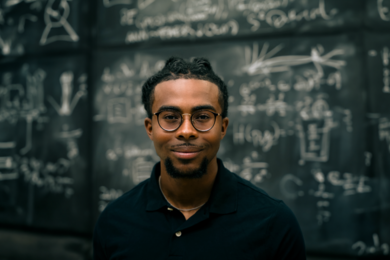
The senior from Atlanta is majoring in AI and decision making, serves as a leader in several campus groups, and has a soft spot for car improvement projects.
The “HardFlow” algorithm could help generative AI models produce high-quality outputs that obey strict requirements when “pretty close” doesn’t cut it.
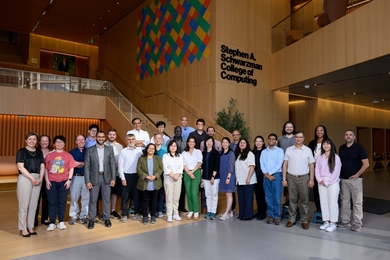
A weeklong summer workshop brought higher education faculty to campus to explore how AI and machine learning materials can be adapted for their classrooms.
A new method, called CW-Net, translates the reasoning process of an autonomous vehicle’s AI system into understandable concepts that explain its behavior.