Closing in on dark matter?
Physicists detect two candidate dark matter interactions, but say the data are not conclusive.
Assessing the impact of ‘Climategate’
At Dec. 10 forum, MIT faculty experts discussed what 'Climategate' really means for climate science and the ongoing policy negotiations in the Congress and at Copenhagen.
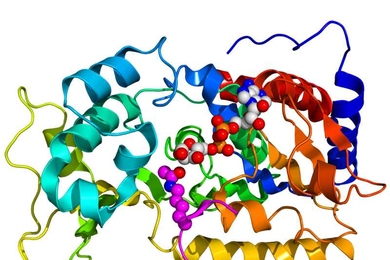
New evidence links sirtuins and life extension
Study from Leonard Guarente shows how sirtuins act in the brain during calorie restriction to potentially lengthen lifespan.
The 'sci' behind the 'fi'
A public television program explores the ways real science is starting to catch up with the futuristic visions in Star Trek.
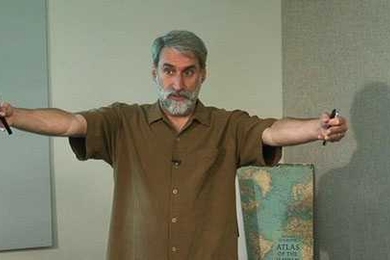
Personalized Energy for One (x 6 Billion)
Lecture, with professor Daniel Nocera, presented by the Knight Science Journalism Fellowship

MIT goes to Copenhagen
Delegation of MIT professors, students and alumni attend historic global warming conference to present research and report on event
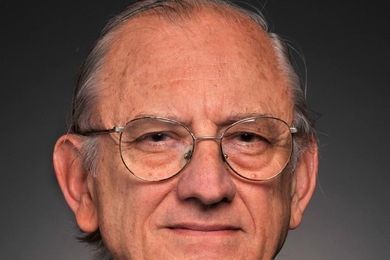
3 Questions: Henry Jacoby on Copenhagen
The co-director of MIT’s Global Change program discusses what to expect from the U.N. Climate Change Conference, and the effects of ‘Climategate’
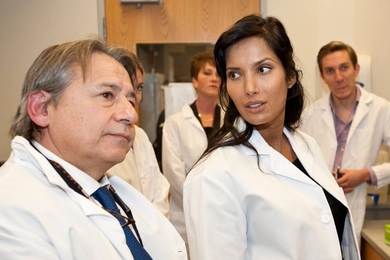
Reporter’s Notebook: Breaking the silence
Actress Padma Lakshmi comes to MIT to raise awareness of endometriosis and help launch the new Center for Gynepathology.
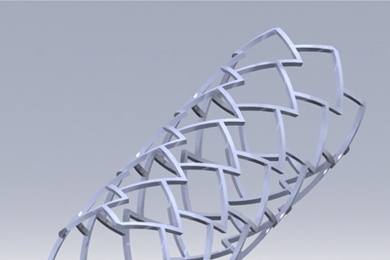
New computer model could lead to safer stents
Study by HST scientists shows that location of arterial stents is critical to efficient and safe drug delivery.
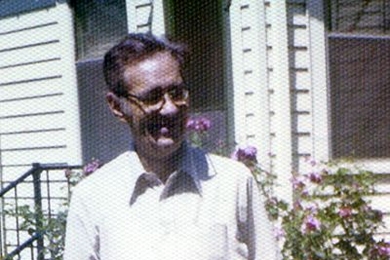
3 Questions: Suzanne Corkin on the world’s most famous amnesic
This week, scientists plan to slice the brain of H.M., the amnesia patient who died last year and whose condition helped shed light on how memories are formed.
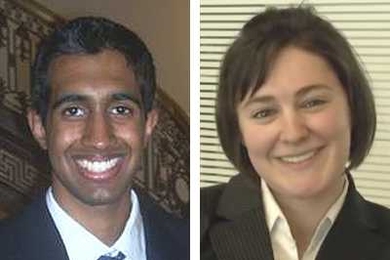
Two from MIT win Marshall Scholarships
Seniors Tanya Goldhaber and Vinayak Muralidhar will pursue graduate studies in Britain beginning next year.


3 Questions: Sara Seager on searching for Earth-like planets
MIT planetary scientist discusses projects that aim to discover distant planets similar to our own, and what we can learn when we find them