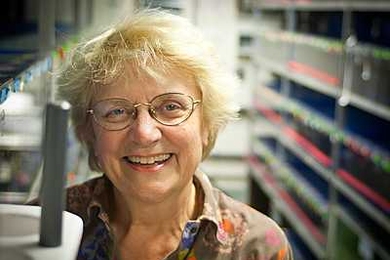
Surprising similarities between human and zebrafish tumors
New finding that tumor cells in both species have too many chromosomes could help pinpoint genes that drive cancer development.
New finding that tumor cells in both species have too many chromosomes could help pinpoint genes that drive cancer development.
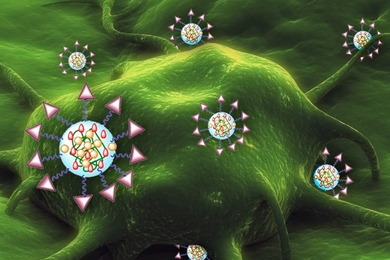
Particles can deliver a combination of chemotherapy drugs directly to prostate-cancer cells.
Goal of awards is to encourage research and professional growth in DoD-related areas.
Project aims to create nanotechnology solutions for heart, lung and blood diseases.
The grants are designed to promote risky, innovative research with the potential to transform a field of study.

Lessons learned from the BP oil spill could help both companies and regulators to be more ready for the next emergency.

In Killian Award lecture, Rudolf Jaenisch outlines progress and possibilities for treating human disease with stem cells.
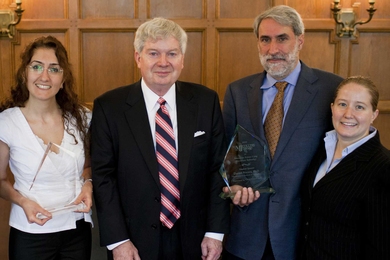
Postdoc, advisor recognized for significant contributions to renewable energy research
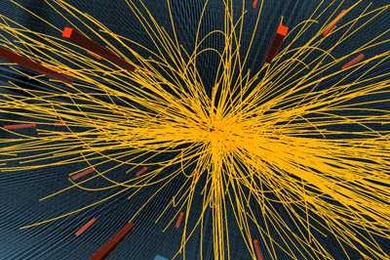
More study is needed to confirm the latest findings from the Large Hadron Collider, reported by CERN physicists last week.
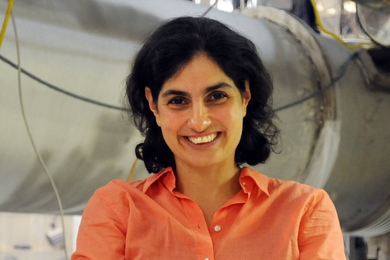
Physics professor and two alumni are awarded $500,000 in no-strings-attached funding.
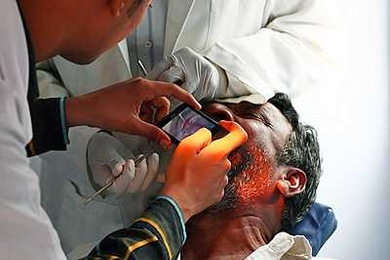
MIT-led student team develops mobile-device software to help improve health-care accessibility in remote regions.

MIT alumnus Steven E. Koonin, DoE under secretary for science, says economics, not technology, is the driver.
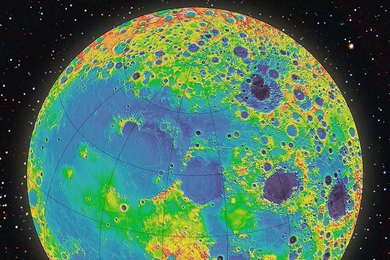
New map of lunar craters sheds light on early solar-system activity and points to oldest parts of the moon’s surface.

An MIT engineer for 25 years, he helped design instruments for NASA’s Voyager spacecraft.