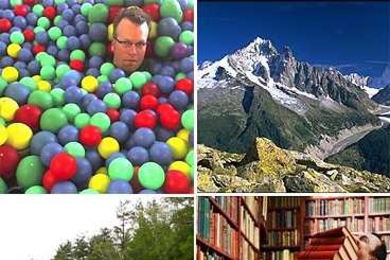
What makes an image memorable?
Hint: We tend to remember pictures of people much better than wide open spaces.
Hint: We tend to remember pictures of people much better than wide open spaces.
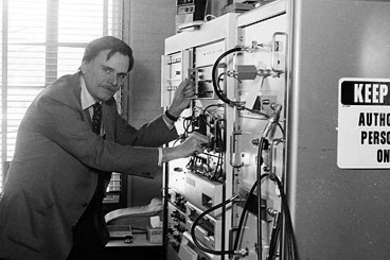
MIT chemist John Waugh made NMR spectroscopy an indispensable tool for studying proteins and other large molecules.
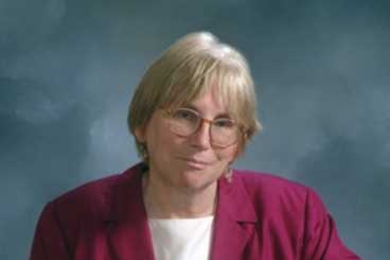
Honor recognizes extraordinary professional accomplishment; winner delivers lecture in the spring
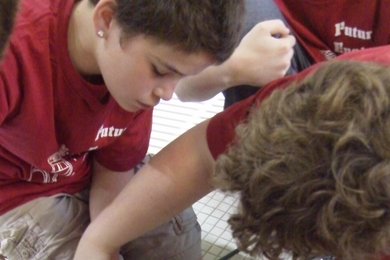
More than 300 middle and high school students build vehicles to address a simulated deep-water oil spill
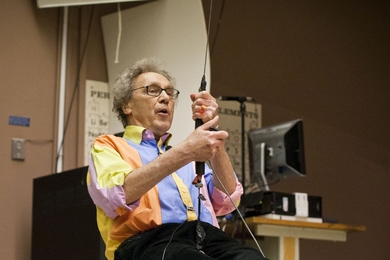
Walter Lewin, acclaimed professor emeritus and Internet star, delivers one final lecture at MIT.
Undergraduates receive top honor in collegiate math, science and engineering education
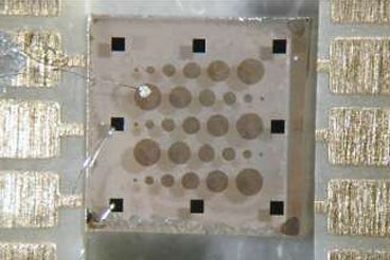
MIT physicists discover a new physical phenomenon that could eventually lead to the first increases in computers’ clock speed since 2002.
New algorithm offers ability to influence systems such as living cells or social networks.
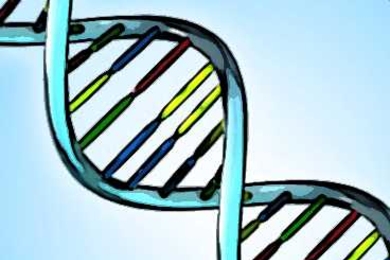
Physicists’ study of evolution in bacteria shows that adaptations can be undone, but rarely.
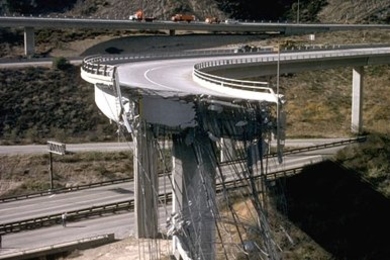
How do scientists measure jolts such as the recent disaster in Japan? Hint: They don’t use the Richter scale.
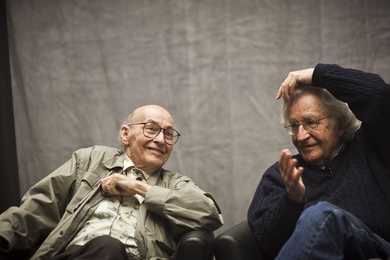
Final installment of MIT’s 150th anniversary symposia explores intelligence — both human and artificial.
Ten MIT alumni also among this year’s new members
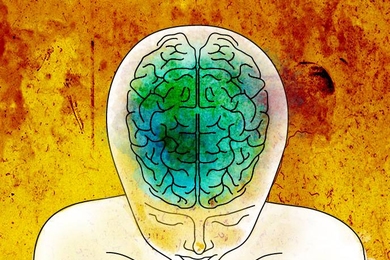
MIT and Harvard neuroscientists explain why the practice helps tune out distractions and relieve pain.