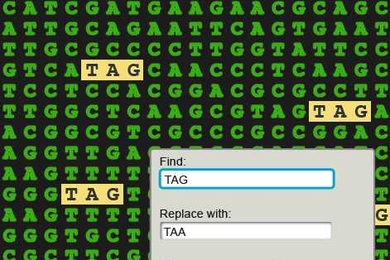
Scientists unveil tools for rewriting the code of life
New technology from MIT and Harvard can edit DNA at the genome scale, giving cells novel functions.
New technology from MIT and Harvard can edit DNA at the genome scale, giving cells novel functions.
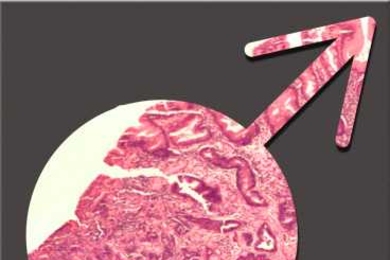
MIT researchers show how estrogen protects women from the gastric inflammation that can lead to cancer.

By basing its strategies on the text of a manual, a computer infers the meanings of words without human supervision.

Cognitive scientists find that when teaching young children, there is a trade-off between direct instruction and independent exploration.
One student, two recent graduates to travel to Japan, Ghana and the Dominican Republic.

'2011 MD,' found by a Lincoln Lab team, will pass close to the planet on Monday.

How a handful of countercultural scientists changed the course of physics in the 1970s and helped open up the frontier of quantum information.

Recent graduate and public service fellow will teach the science of energy generation.
The gene they found can double yeast lifespan when turned on late in life.

New study shows that infants are surprisingly adept at figuring out whether they made a mistake or if something is wrong in the world.
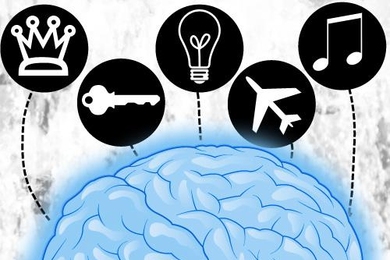
MIT neuroscientists redefine the limits of visual working memory.
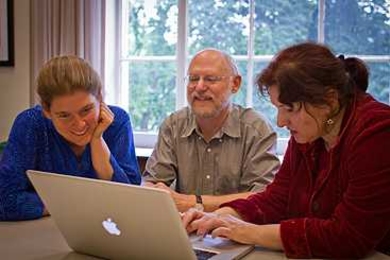
MIT math instructors have developed a tool to help educators get to ‘best practices’ and preserve them for posterity.
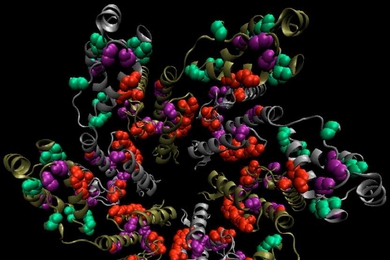
Vaccines that target newly identified viral protein sequences could be more effective than previous efforts.