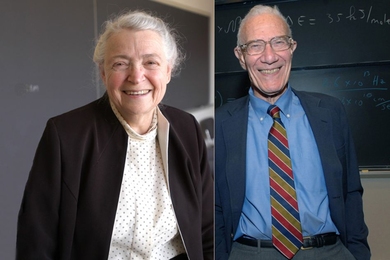
Dresselhaus and Solow win Presidential Medal of Freedom
Two Institute Professors are among 19 new recipients of the nation’s highest civilian honor.
Two Institute Professors are among 19 new recipients of the nation’s highest civilian honor.
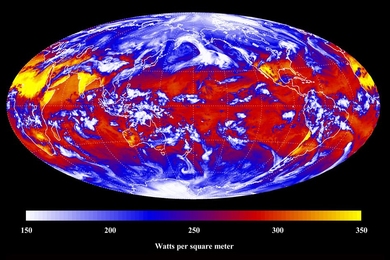
Researchers show that a canonical view of global warming tells only half the story.
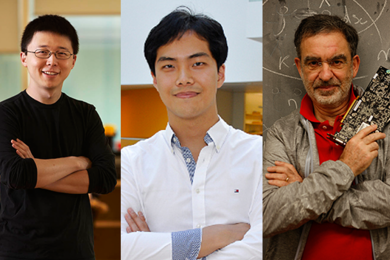
Three neuroscientists at MIT have been selected to receive awards from the Society for Neuroscience.

MIT study finds unprecedented production of metals needed to meet some solar energy goals.
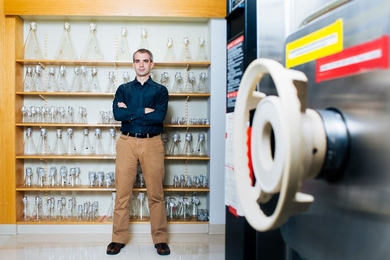
Newly tenured biologist Iain Cheeseman explores the complex structures that control cell division.
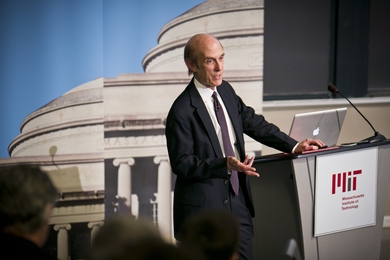
Award recognizes pioneering research on metal atoms in biology and medicine.
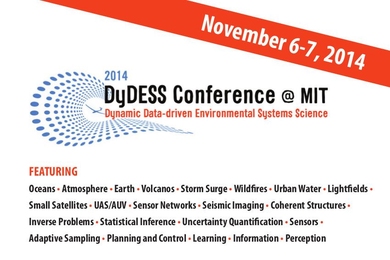
DyDESS 2014 will unite scientists and engineers around Earth's systems science and engineering challenges.
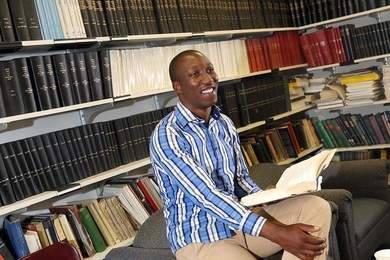
Jimmy Gasore is working on Africa’s first high-frequency climate observatory in his native Rwanda.
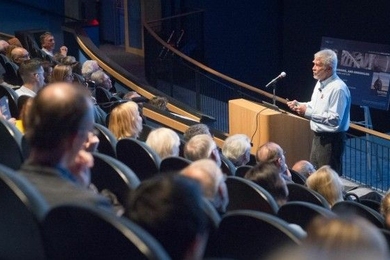
University of Colorado at Boulder professor presented “Big Cats, Panamá, and Armadillos: A Story of Climate and Life” at the New England Aquarium.
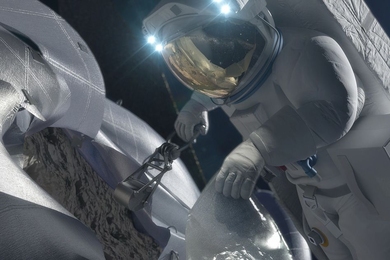
Better options available in thousands of near-Earth asteroids, expert says.
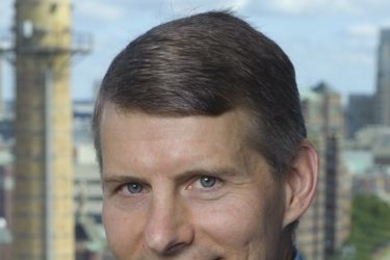
WiTricity brings wireless power to electrical cars, consumer electronics, and other applications that currently require clumsy cables or chargers.
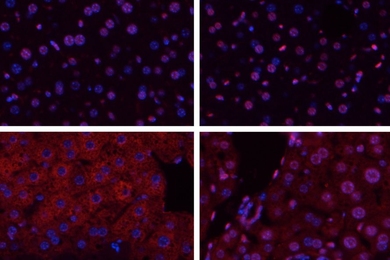
An enzyme key to DNA repair can worsen tissue damage caused by stroke and organ transplantation.
New genome-editing technique enables rapid analysis of genes mutated in tumors.