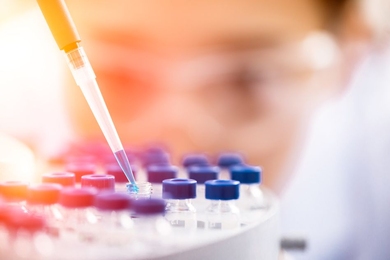
Academic institutions grant commercial license for CRISPR-based SHERLOCK diagnostic technology in developed world
Rights are protected for broad use in developing world and for public health needs.
Rights are protected for broad use in developing world and for public health needs.
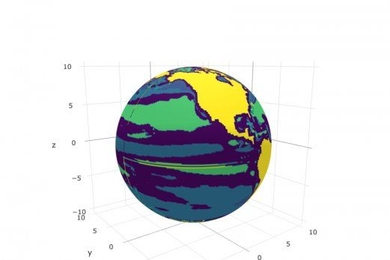
Maike Sonnewald adapts a method that identifies areas of the global ocean with similar physics, revealing global dynamical regimes.
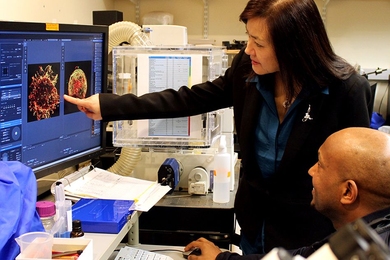
Foundation’s $28.6 million gift will fund science, innovation, and education to advance understanding, ability, and inclusion.
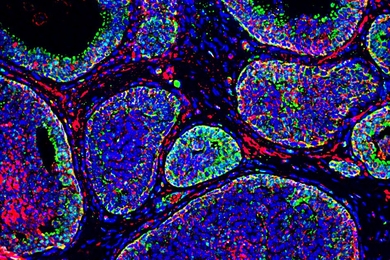
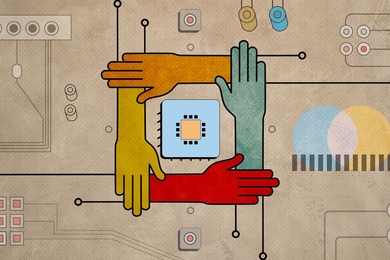
Faculty representing all five MIT schools offer views on the ethical and societal implications of new technologies.
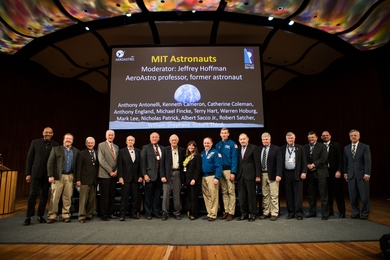
Symposium featuring former astronauts and other Apollo mission luminaries examines the program’s legacy.
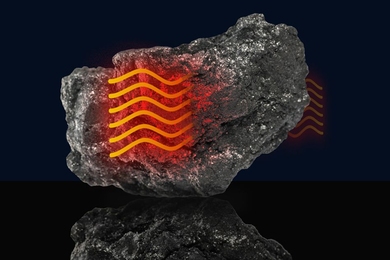
At relatively balmy temperatures, heat behaves like sound when moving through graphite, study reports.

Major tectonic collisions near the equator have caused three ice ages in the last 540 million years.
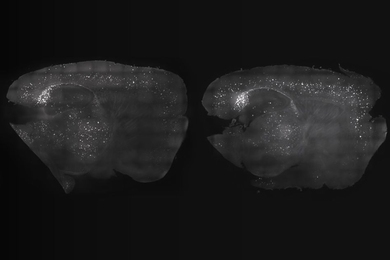
Noninvasive treatment improves memory and reduces amyloid plaques in mice.
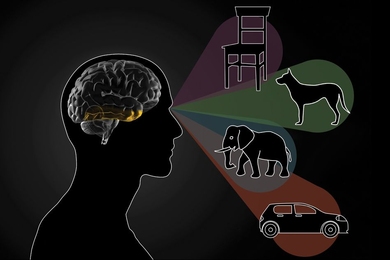
Study shows that a brain region called the inferotemporal cortex is key to differentiating bears from chairs.
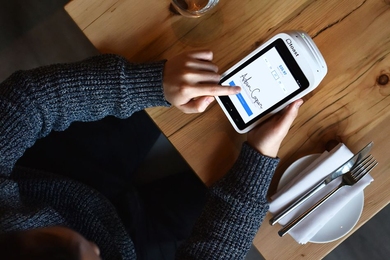
Alumni-founded Toast provides technologies that help get an order from a customer to the kitchen and back again.
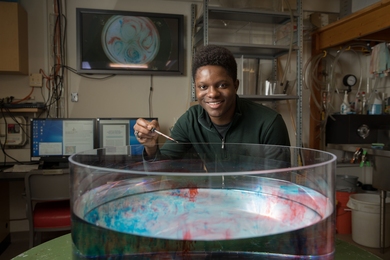
Jordan Benjamin, a double major in physics and atmospheric science, studies the weather inside and out of the classroom.
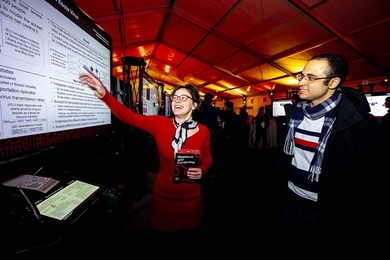
Research projects show creative ways MIT students are connecting computing to other fields.
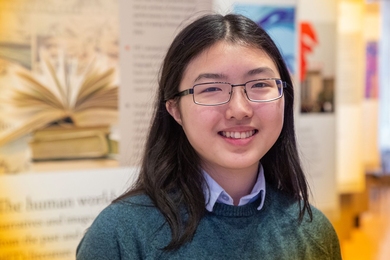
Junior Ivy Li, a literature and physics major, adapts a legendary work and innovates in an enduring literary tradition.
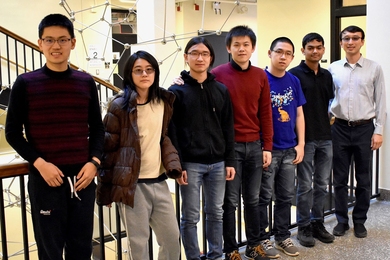
Student competitors earn two Putnam Fellowships, an Elizabeth Lowell Putnam Prize, and 11 of 15 top spots.