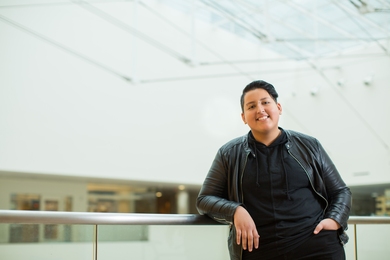
Fueled by the power of stories
A fascination with storytelling led K. Guadalupe Cruz to graduate studies in neuroscience and shapes her work to promote inclusivity at MIT.
A fascination with storytelling led K. Guadalupe Cruz to graduate studies in neuroscience and shapes her work to promote inclusivity at MIT.

Scientists reveal the genes and proteins controlling the chemical structures underpinning paleoclimate proxies.
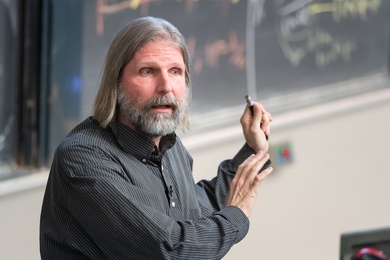
Cornell University professor and physicist uses nanoscale parts to create smart, active microbots.
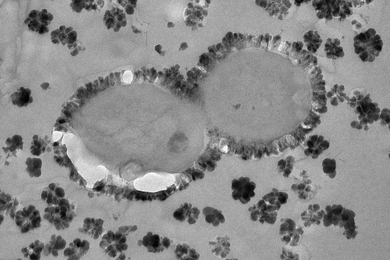
EAPS scientists find an alternative explanation for mineral evidence thought to signal the presence of oxygen prior to the Great Oxidation Event.
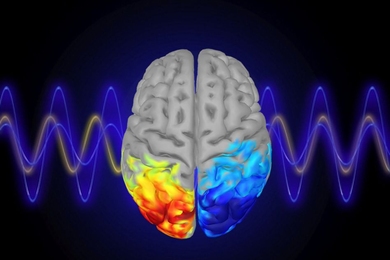
Study shows that people can boost attention by manipulating their own alpha brain waves.
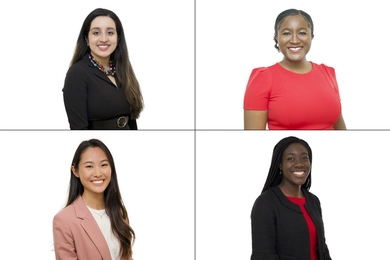
Two alumni have also been selected; the scholars will study global affairs at Beijing’s Tsinghua University.
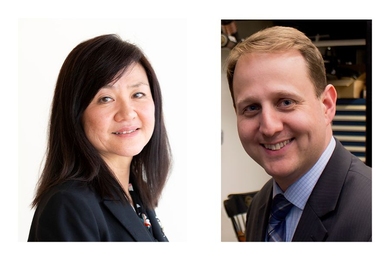
Li-Huei Tsai and Christopher Schuh recognized for research innovations addressing Alzheimer’s disease and metal mechanics.
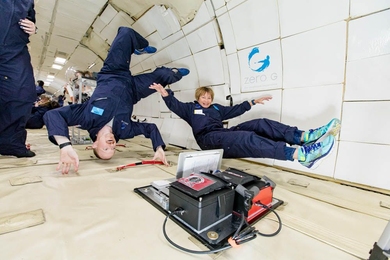
The Space Exploration Initiative’s latest research flight explores work and play in microgravity.
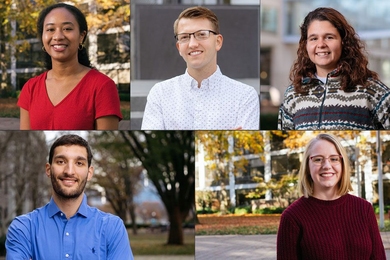
Ali Daher, Claire Halloran, Francisca Vasconcelos, Billy Andersen Woltz, and Megan Yamoah will begin postgraduate studies at Oxford University next fall.
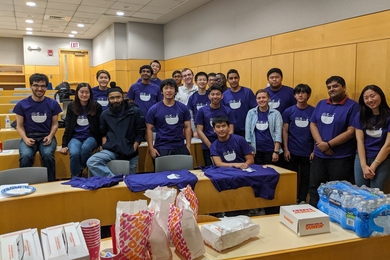
More than 100 high school students compete at the inaugural MIT Science Bowl Invitational, hosted by students and sponsored by the School of Science.
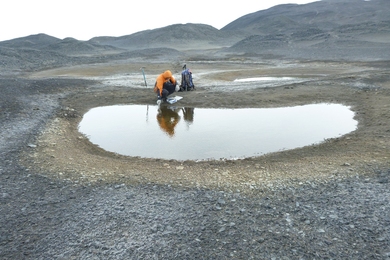
The Summons Lab compares lipids from Antarctic microbial communities to century-old samples.
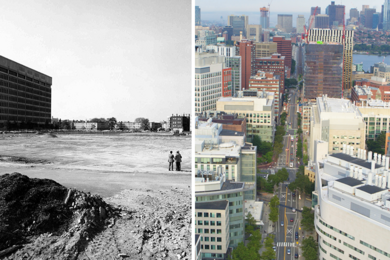
Film looks at how Kendall Square became a beacon for industries working on treatments for diseases like cancer, Alzheimer’s, and diabetes.
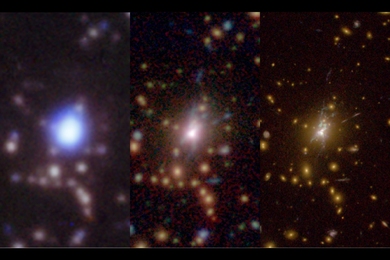
With increasingly advanced data, Michael McDonald and colleagues study a galaxy cluster bursting with new stars.
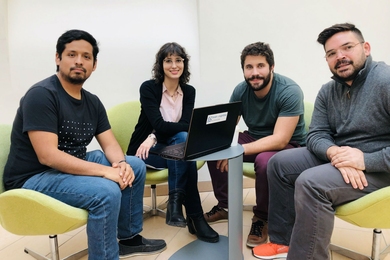
To help the region catch up, students organize summit to bring Latin policymakers and researchers to MIT.
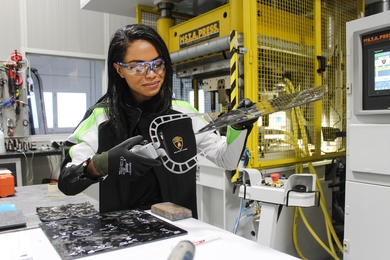
MIT-Italy helps build supercharged partnerships on campus and across the globe.