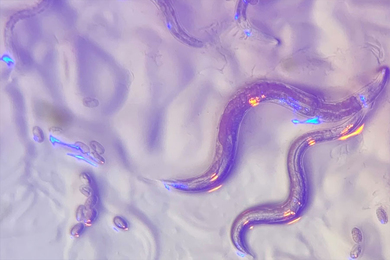
Celebrating worm science
Time and again, an unassuming roundworm has illuminated aspects of biology with major consequences for human health.
Time and again, an unassuming roundworm has illuminated aspects of biology with major consequences for human health.

As these events become more common at midlatitudes, a phenomenon called an atmospheric inversion will determine how long they last.
MIT community members made headlines with key research advances and their efforts to tackle pressing challenges.
Top stories highlighted the Institute’s leading positions in world and national rankings; new collaboratives tackling manufacturing, generative AI, and quantum; how one professor influenced hundreds of thousands of students around the world; and more.
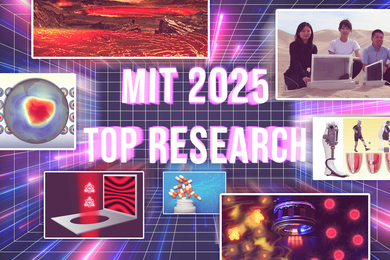
Concrete batteries, AI-developed antibiotics, the ozone’s recovery, and a more natural bionic knee were some of the most popular topics on MIT News.
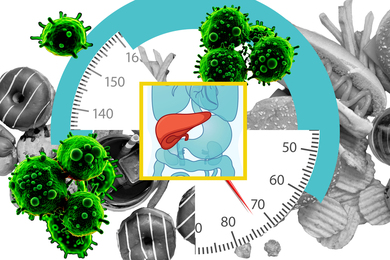
New research suggests liver cells exposed to too much fat revert to an immature state that is more susceptible to cancer-causing mutations.

MIT physicists say these quasiparticles may explain how superconductivity and magnetism can coexist in certain materials.
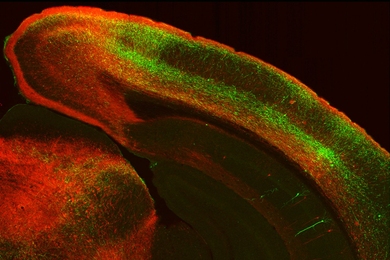
Research illustrates how areas within the brain’s executive control center tailor messages in specific circuits with other brain regions to influence them with information about behavior and feelings.

From robotics to apps like “NerdXing,” senior Julianna Schneider is building technologies to solve problems in her community.

Global Change Outlook report for 2025 shows how accelerated action can reduce climate risks and improve sustainability outcomes, while highlighting potential geopolitical hurdles.

The AI-powered tool could inform the design of better sensors and cameras for robots or autonomous vehicles.
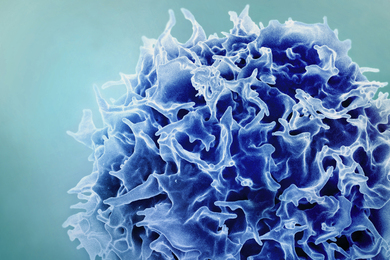
Stimulating the liver to produce some of the signals of the thymus can reverse age-related declines in T-cell populations and enhance response to vaccination.
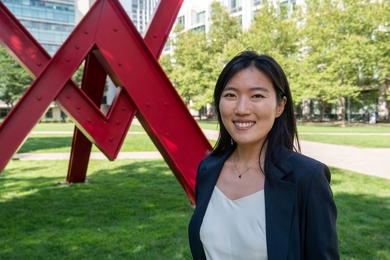
Assistant Professor Yunha Hwang utilizes microbial genomes to examine the language of biology. Her appointment reflects MIT’s commitment to exploring the intersection of genetics research and AI.
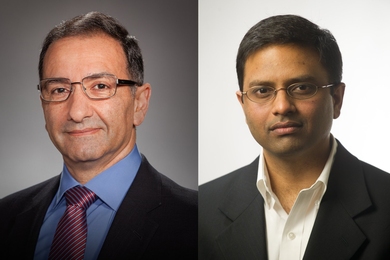
Professors Ahmad Bahai and Kripa Varanasi, plus seven additional MIT alumni, are honored for highly impactful inventions.
Tracking how fruit fly motor neurons edit their RNA, neurobiologists cataloged hundreds of target sites and varying editing rates, finding many edits altered communication- and function-related proteins.