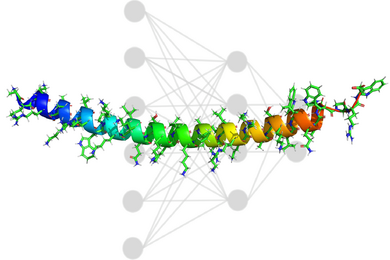
Machine learning discovers new sequences to boost drug delivery
MIT researchers employ machine learning to find powerful peptides that could improve a gene therapy drug for Duchenne muscular dystrophy.
MIT researchers employ machine learning to find powerful peptides that could improve a gene therapy drug for Duchenne muscular dystrophy.

Probabilistic programming language allows for fast, error-free answers to hard AI problems, including fairness.

Pioneering scientist isolated, characterized, and established the mechanisms of many environmental toxins relevant to public health.
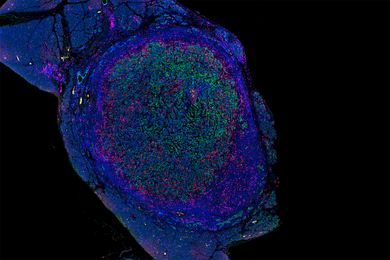
Researchers find three immunotherapy drugs given together can eliminate pancreatic tumors in mice.
Two research projects on the design of state-of-the-art hardware could one day power next-generation 5G and 6G mobile networks.
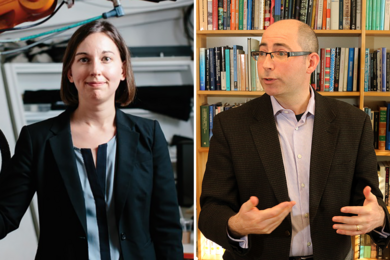
Advancing the study and practice of thinking responsibly in computing education, research, and implementation.

Roundworms change the flow of material in and out of their mouths in response to bright light, revealing a new way for neurons to control muscle cells.
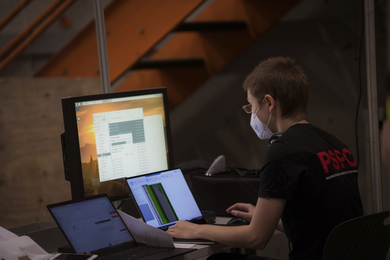
The Plasma Science and Fusion Center mechanical engineer embraces her role in modeling fusion magnets and in promoting engineering to young women.
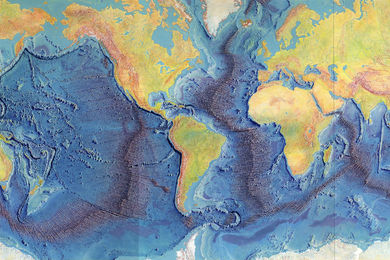
The results could help scientists unravel the processes underlying plate tectonics.

Applied in the field, a new model reduced quakes from oil and gas processes; could help manage seismic events from carbon sequestration.
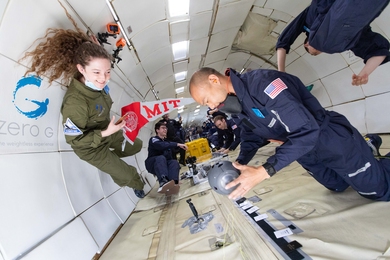
The Space Exploration Initiative supports research across and beyond MIT in two microgravity flights this spring.
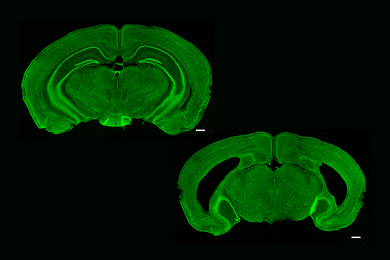
The visual cortex stores and remembers individual images, but mice can’t recognize image sequences without guidance from the hippocampus.
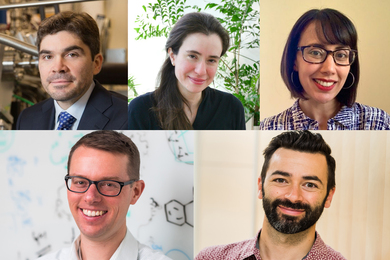
Professors earn tenure in the departments of Brain and Cognitive Sciences, Chemistry, and Physics.
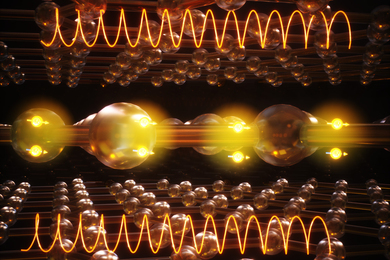
New findings might help inform the design of more powerful MRI machines or robust quantum computers.
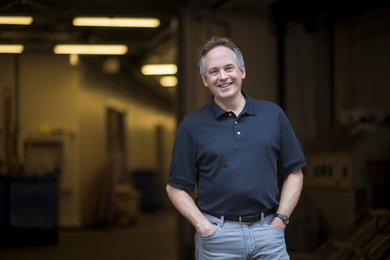
After decades of plasma physics research, Senior Research Scientist Brian LaBombard is taking on magnets for MIT’s new fusion effort.