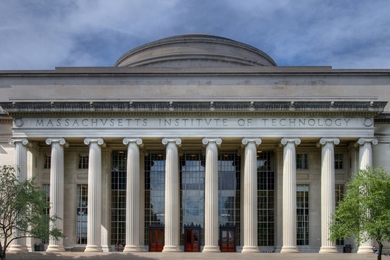
Times Higher Education ranks MIT No.1 in business and economics, No.2 in arts and humanities
Worldwide honors for 2019 span three MIT schools.
Worldwide honors for 2019 span three MIT schools.
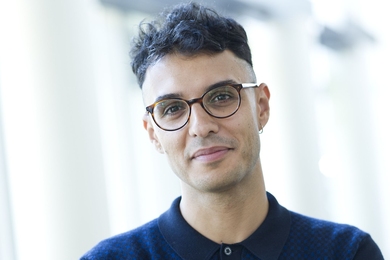
Embedded with street-level bureaucrats, political theorist Bernardo Zacka reveals the complex moral landscape civil servants must navigate.
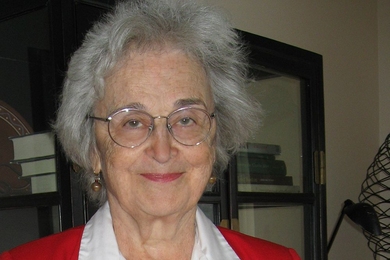
Internationally renowned for her works in Slavic poetics and linguistics, Chvany also mentored several generations of scholars.
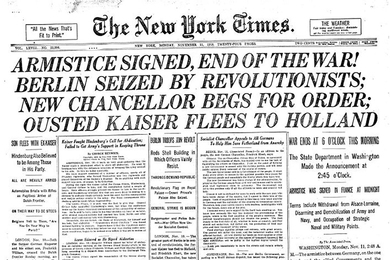
A century after its bitter end, the political science professor calls the Great War a wellspring of the 20th century's horrors and tragedies.
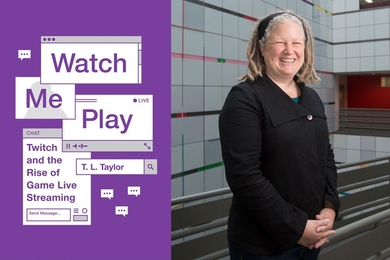
T.L. Taylor looks at how computer gaming and other forms of online broadcasting became big-time spectator sports.
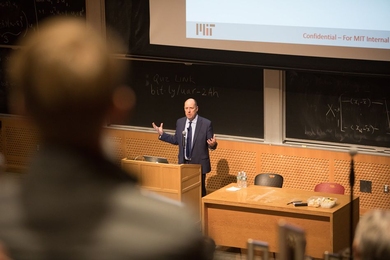
Opportunities and new challenges were at the forefront of discussions about the MIT Stephen A. Schwarzman College of Computing.
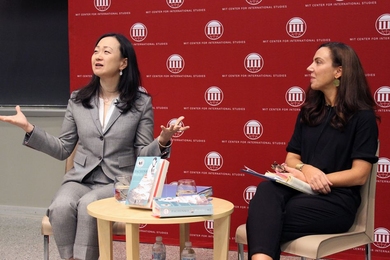
At MIT event, “Pachinko” author talks about literature as a way of understanding outsiders in modern culture.

SHASS faculty members offer research-based perspectives with commentaries, plus a Music for the Midterms playlist, and an election book list.
Investigating the political and economic consequences of large-scale deadly conflict, Volha Charnysh discovers that community-level interactions make a big impact.
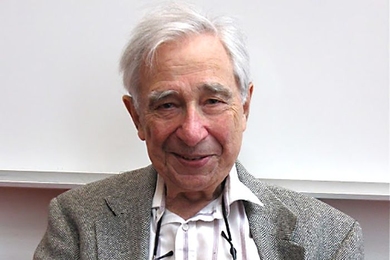
Bromberger played pivotal role in establishing MIT Department of Linguistics and Philosophy.
![“Even if you look at a clean study, the [outcome] is usually a composite of multiple components, any one of which could be actually causing the effect,” says Associate Professor Teppei Yamamoto.](/sites/default/files/styles/term_page__news_article/public/images/201810/MIT-Yamamoto.jpg?itok=JQxqhoCS)
Teppei Yamamoto examines the methods of his discipline, to help scholars nail down cause and effect.
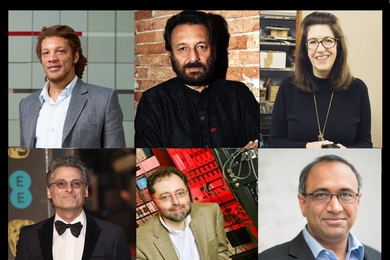
At a recent symposium, MIT Open Learning invited experts to discuss the power of VR and AR tools to drive engagement with education.
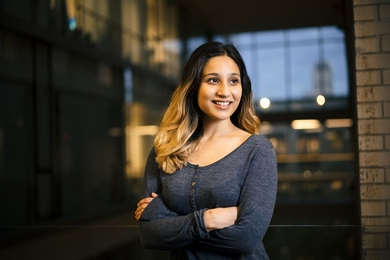
Senior Radha Mastandrea analyzes data from CERN in search of more information about the universe’s fundamental particles.
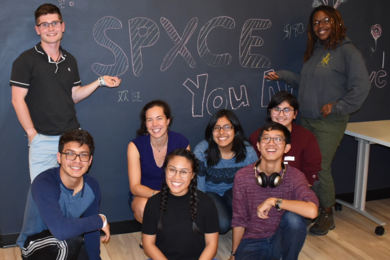
New MISTI programs provide a platform for student dialogue on diversity in international travel, study, and work.
