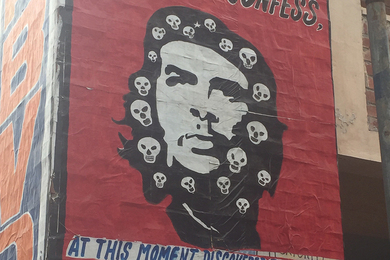
Fight or flight? Why individuals react as they do
Political science graduate student Aidan Milliff finds differences in how people in similar situations respond to threats of violence.
Political science graduate student Aidan Milliff finds differences in how people in similar situations respond to threats of violence.

A strong evidence base is key for informing environmental and climate policy, says the MIT assistant professor.

Improved public health messaging to Black, Latinx, and other communities disproportionately impacted by the pandemic can increase Covid-19 knowledge and information-seeking.

Political scientist Devin Caughey studies how public opinion influences American politics.

Despite the pandemic, the Office of the Vice Chancellor has continued to make progress on efforts to enhance the MIT graduate student experience.

New project by inventor of LobbyView.org will advance trade theory and the ability of citizens to influence public policymaking.

Program aims to increase research opportunities and give PhD students mentorship experience.

Catherine Clark uses visual imagery to delve into French history, culture, and society.

MIT International Science and Technology Initiatives launches MISTI Radio, a cross-platform podcast that connects MIT to the world.
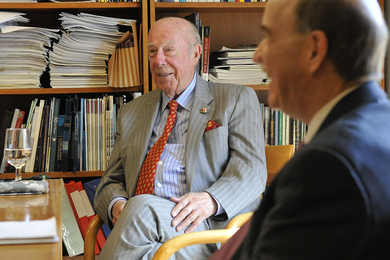
Shultz, who held four US Cabinet positions and served in three presidential administrations, devoted himself to ideals of bipartisanship and fairness.

MIT economist works to show how therapies can be allocated fairly; states are now applying the method in their efforts.
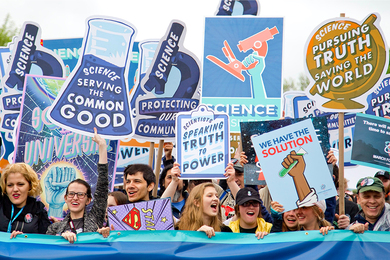
In a new MIT class, students explore how STEM researchers bring their knowledge to major societal issues.

State and Local Innovation Initiative seeks government partners to rigorously evaluate policies and programs aiming to address critical social issues.

The Biden administration must navigate a new set of global challenges, experts say in MIT panel discussion.
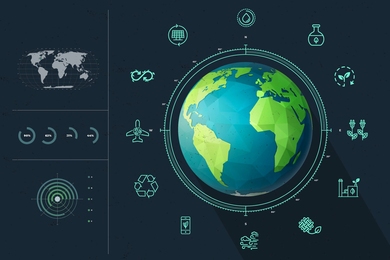
The MIT Climate and Sustainability Consortium launches with 13 company members to work with MIT on innovation in climate and sustainability.