
Building trust in governments through digital platforms
Governments and private companies often work together to provide public services online. A new study asks: How do these partnerships affect people’s trust in government?
Governments and private companies often work together to provide public services online. A new study asks: How do these partnerships affect people’s trust in government?
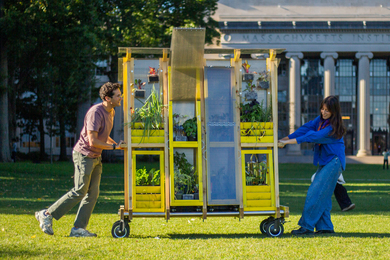
Co-founders Aleks Banaś and Zachary Rapaport see architecture and farming as deeply complementary disciplines. Their nascent club is having a sizeable impact at the Institute.
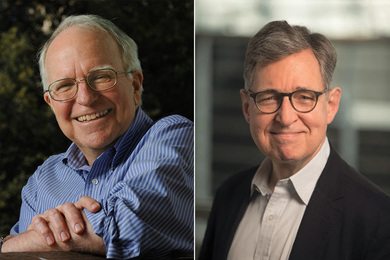
The MIT alumni are honored for work that illuminates how government policy can spur growth in response to economic downturns.
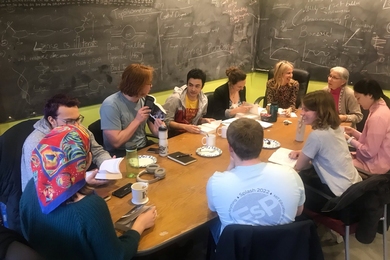
Students in MIT’s Concourse program delve deeply into the human condition, debate challenging questions, and learn to develop judgment about issues that can’t be quantified.

J-PAL North America’s Learning Lab supported a second cohort of U.S. government and nonprofit organizations in building and using rigorous evidence to advance effective decarbonization and adaptation strategies.
In a study focusing on hiring decisions, MIT researchers found the use of a single algorithm by many firms could benefit job seekers in certain situations.
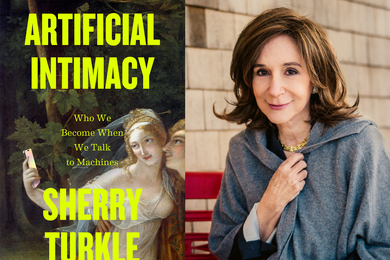
Professor Sherry Turkle’s new book, “Artificial Intimacy,” offers a withering critique of chatbots and the antisocial dynamics she believes they encourage.
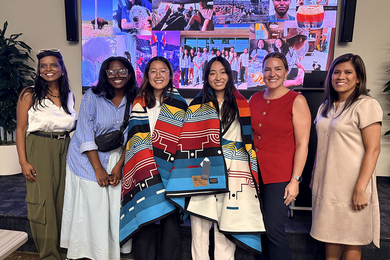
The PKG Center for Social Impact expands Code.Tulsa experiential learning program.
The Institute’s undergraduate engineering, computer science, and economics programs are No. 1; its business program is No. 2.
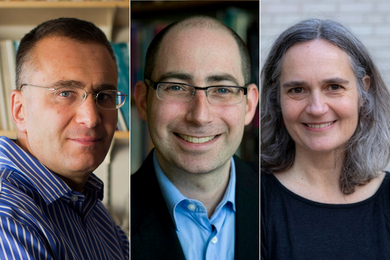
Established after World War II, the School of the Humanities, Arts, and Social Sciences is an integral part of the MIT experience. Three faculty reflect on the school’s ongoing impact.

A new focus on fiction and memoir aims to help the MIT community celebrate the power of storytelling and strengthen social connection.
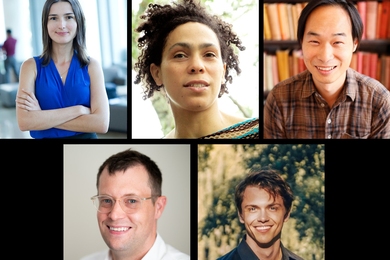
Faculty members granted tenure in Comparative Media Studies/Writing, Economics, Political Science, and Theater.
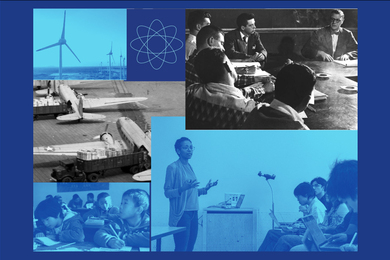
For 75 years, the Center for International Studies has brought together social scientists, engineers, and practitioners to understand global change, shape public debate, and address generational challenges.
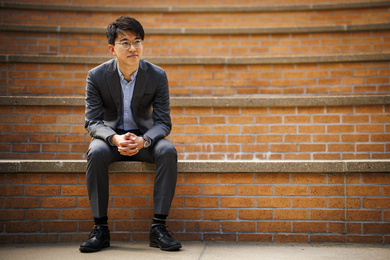
Naoki Egami has become a standout in political methodology, helping refine tools that give scholars durable results.

MIT anthropologist Chris Walley developed a project for people in Southeast Chicago to tell their histories — an approach any community can adopt.