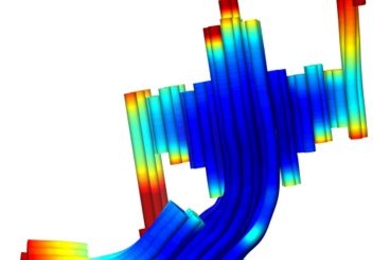
Origami: Not just for paper anymore
DNA, folded into complex shapes, could have a big impact on nanotechnology.
DNA, folded into complex shapes, could have a big impact on nanotechnology.
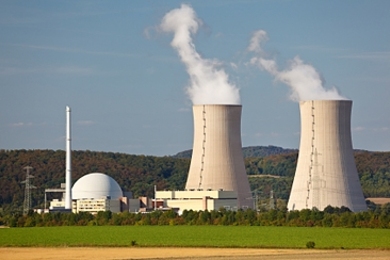
Japanese nuclear crisis adds to the urgency of dealing with radioactive used fuel, and may raise cost of new plants, MIT study says

Part of the 40 Under 40: Craft Futures exhibition, which will run starting in 2012.
10-ENG to offer concentrations in energy, environment, biomedicine and materials
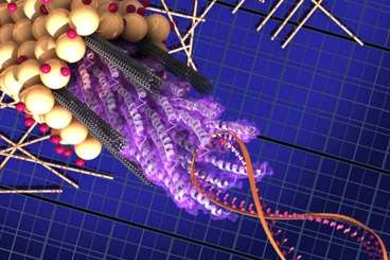
MIT researchers use genetically modified virus to produce structures that improve solar-cell efficiency by nearly one-third.

MIT graduate student is working to make water available for the world’s poor by refining the tools and techniques of fog harvesting.

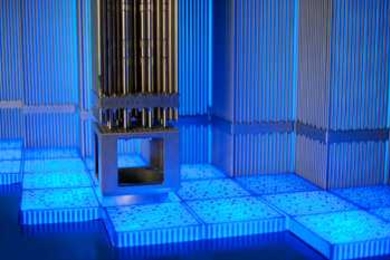
Distinguished NSE alumni Turnage, Coxe and Rothrock share their perspectives on technology leadership.
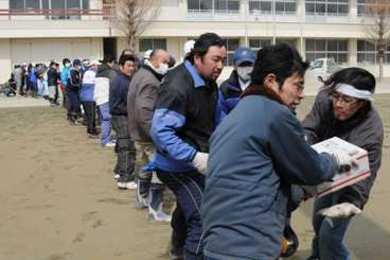
MIT researchers assess how the crisis has affected the flow of goods to and from the island nation.
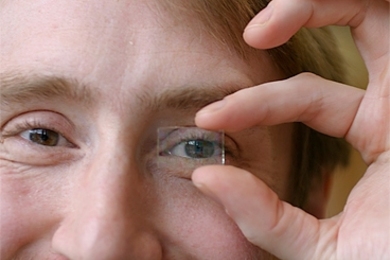
New technology from MIT could enable a building’s windows to generate power, without blocking the view.
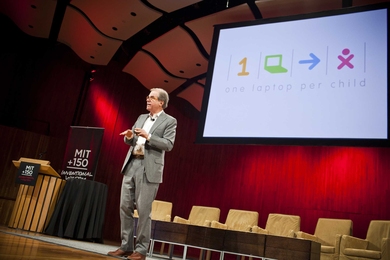
As part of MIT’s 150th-birthday celebration, computer science luminaries — many from MIT's faculty — gathered on campus for a two-day symposium.

Anniversary of the first shuttle flight comes just as it nears retirement, but the vehicle has changed space travel dramatically.
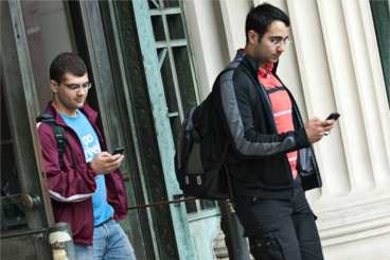
MIT researchers show how to use portable devices’ built-in motion sensors to improve data rates on wireless networks.