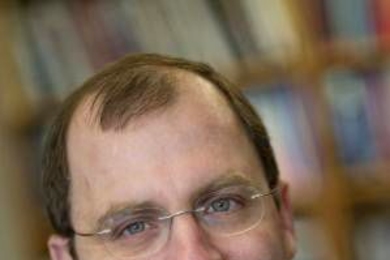

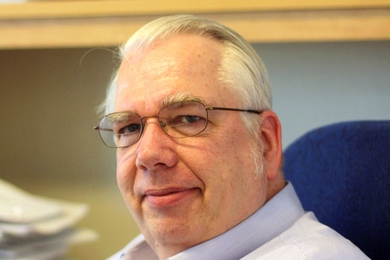
NSE’s Forsberg awarded Seaborg Medal by American Nuclear Society
Charles Forsberg awarded Seaborg Medal by American Nuclear Society

MIT computer scientists can predict the price of Bitcoin
CSAIL/LIDS team's algorithm doubles initial investment in under two months.
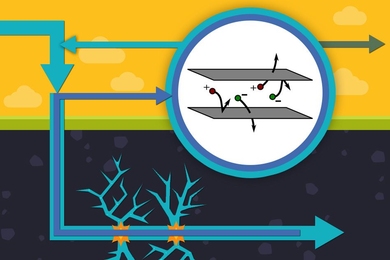
Getting the salt out
Study shows electrodialysis can provide cost-effective treatment of salty water from fracked wells.
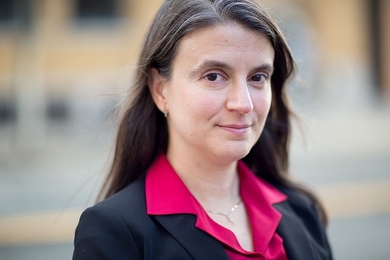
Bilge Yildiz digs deep into surfaces of matter
Research on how surfaces respond under extreme conditions lead to energy advances.
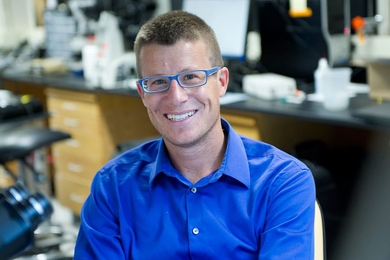
3 Questions: The launch of the MIT Climate Change Conversation
New committee aims to catalyze community discussion on how MIT can help address climate change.
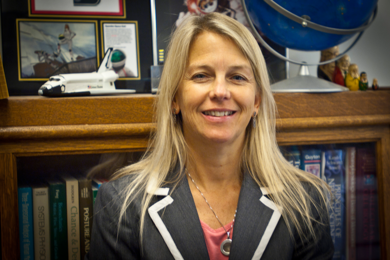
Dava Newman nominated for NASA post
President Obama asks AeroAstro professor to take space agency’s No. 2 leadership spot.
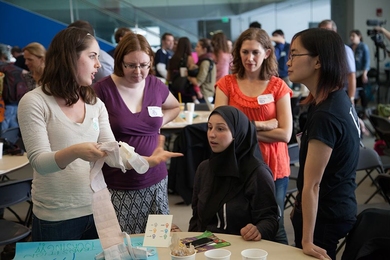
No more crying over spilled milk
“Make The Breast Pump Not Suck Hackathon” brings tech out of the bubble and into the bottle.
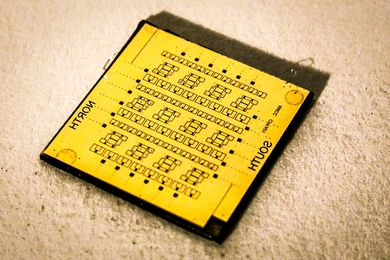
Superconducting circuits, simplified
New circuit design could unlock the power of experimental superconducting computer chips.
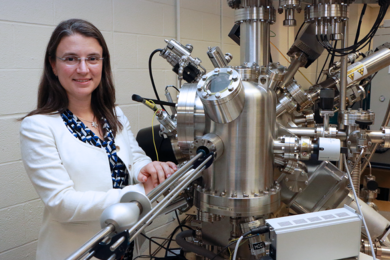
Surface properties command attention
Professor Bilge Yildiz analyzes surfaces of materials to tackle problems as diverse as enabling fuel cells and preventing pipe corrosion.
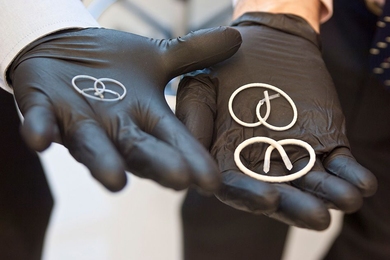
Big step in battling bladder disease
Novel device that stays in the bladder and slowly releases drugs sells to pharmaceutical giant.
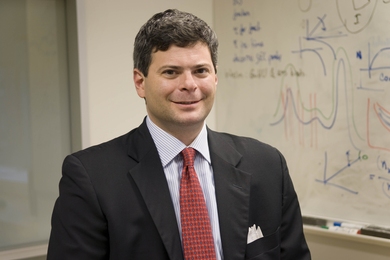
Department of Chemical Engineering establishes new professorship
Bernhardt Trout becomes first Raymond F. Baddour (1949) Professor of Chemical Engineering.
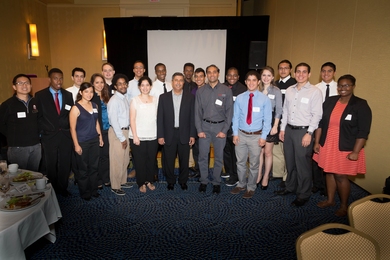
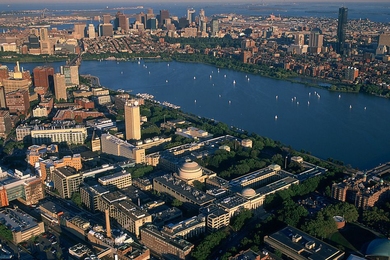
MIT and MGH form strategic partnership to address major challenges in clinical medicine
First set of grants support projects designed to improve diagnostic accuracy and cost-effectiveness.