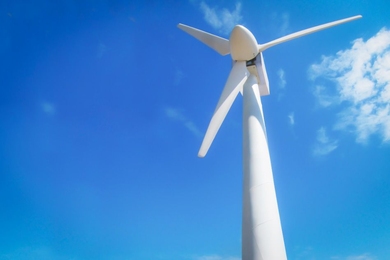
Wind energy reaches greater heights
Startup’s on-site fabrication process makes taller wind turbines more feasible.
Startup’s on-site fabrication process makes taller wind turbines more feasible.
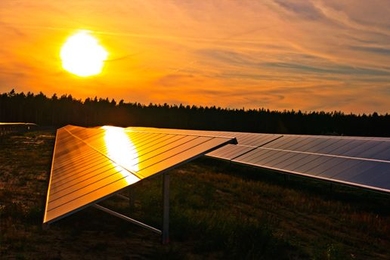
MIT study finds unprecedented production of metals needed to meet some solar energy goals.
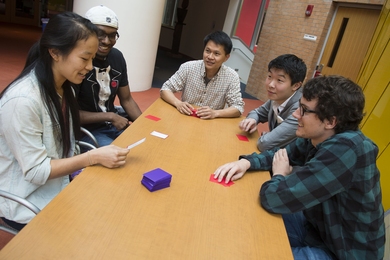
Engineering a presentation in 6.UAT can be entertaining.
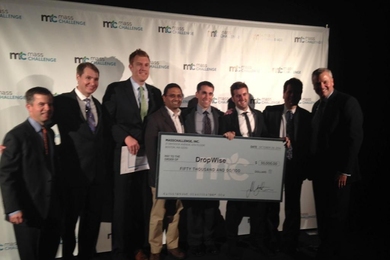
DropWise manufactures hydrophobic coating for power plants that can significantly decrease CO2 emissions.

John Lienhard leads coordinated interdisciplinary research efforts to confront resource challenges at the Abdul Latif Jameel World Water and Food Security Lab.
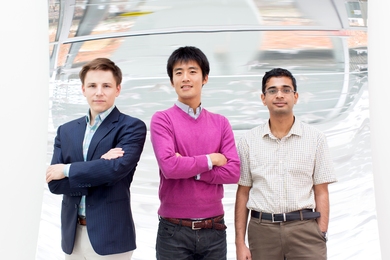
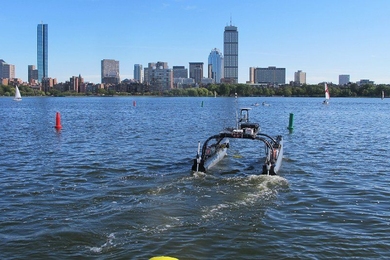
Students partnered with Olin College of Engineering students to build an unmanned surface vehicle.
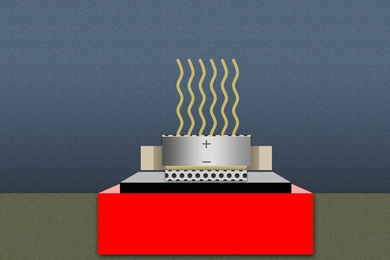
Coating prevents electrical current from damaging the digestive tract after battery ingestion.
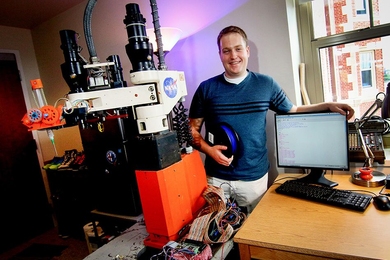
Senior Nathan Spielberg uses 3-D printing to build everything from nanoscale chips to houses.
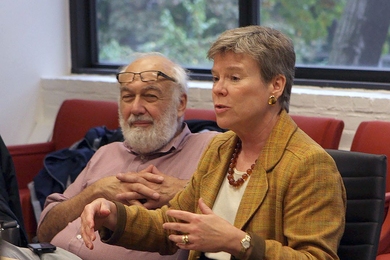
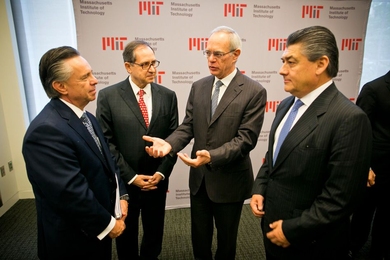

In annual competition, 12 MIT-affiliated teams earn grants and prizes to launch their businesses.

Metallurgist pushes grain boundaries: Nanostructured metal alloys deliver tougher materials, lower costs, and safer outcomes.
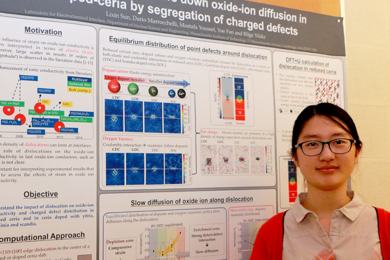
Grad students Lixin Sun and Qiyang Lu are developing techniques for applying strain to materials to accelerate oxygen-reduction reactions for applications in solid-oxide fuel cells.