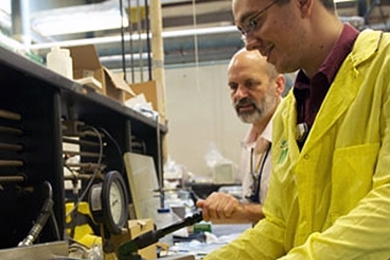
Code quest
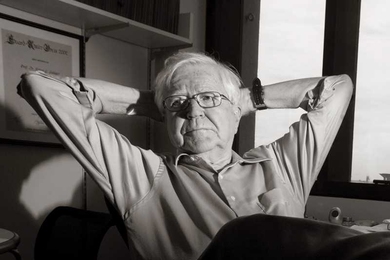
As a grad student, Robert Gallager, SM ’57, ScD ’60, met one of information theory’s central challenges. But nobody realized it for 30 years.
As a grad student, Robert Gallager, SM ’57, ScD ’60, met one of information theory’s central challenges. But nobody realized it for 30 years.
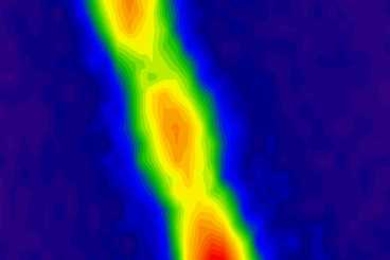
New antenna made of carbon nanotubes could make photovoltaic cells more efficient by concentrating solar energy.
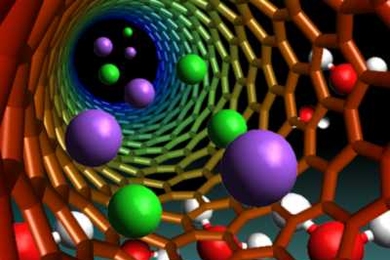
The tiny, multitalented carbon tubes can carry single molecules, one at a time.
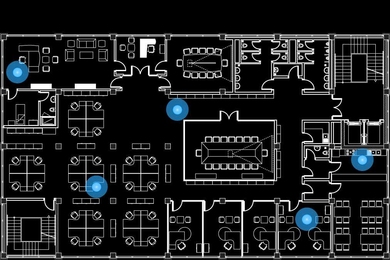
By demonstrating fundamental limits on their accuracy, MIT researchers show how to improve wireless location-detection systems.

New self-assembling photovoltaic technology can keep repairing itself to avoid any loss in performance.
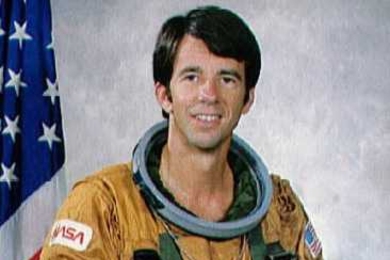
An MIT junior faculty member in the 1960s, he later flew on the space shuttle and became a NASA associate administrator.
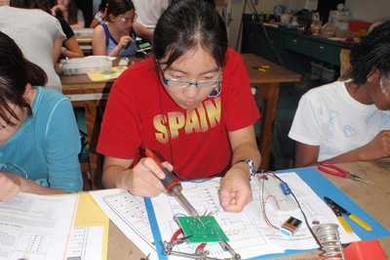
MIT Edgerton Center takes on NASA’s Summer of Innovation with 5 summer programs. Learn more about one of them.
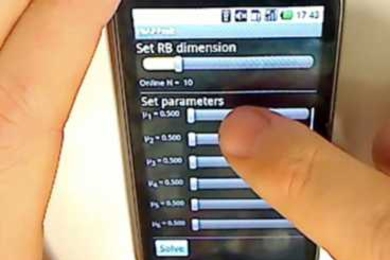
For complex problems whose form can be anticipated but whose particulars can’t, new software can offer approximate solutions in seconds.
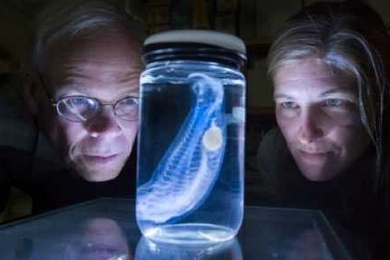
These efficient organisms may help remove carbon dioxide from the upper ocean
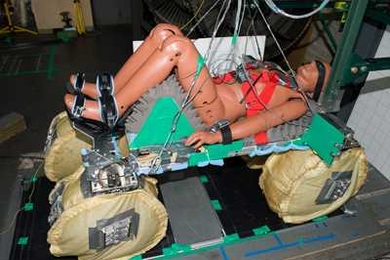
Inspired by seeds, proposed air-bag system would surround astronauts and protect them during bumpy landings

‘TR35’ to be honored at Technology Review’s EmTech@MIT conference next month.
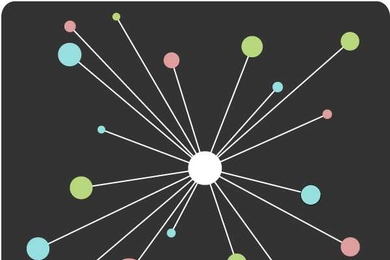
Many scientific disciplines use computers to infer patterns in data. But how much data is enough to ensure that the inferences are right?

A leader in microwave solid-state electronics for radar, he worked at the Laboratory for 41 years and became a trusted adviser and mentor to many.
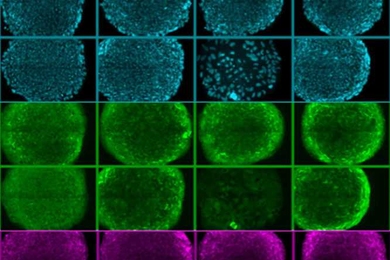
New synthetic surfaces overcome challenges posed by existing methods for cultivating stem cells.