New technique predictably generates complex, wavy shapes
May help improve drug delivery and explain natural patterns from brain folds to bell peppers.
May help improve drug delivery and explain natural patterns from brain folds to bell peppers.
Two current students and three recent graduates will study abroad for the 2012-13 academic year.

Savvy hackers can steal a computer’s secrets by timing its data storage transactions or measuring its power use. New research shows how to stop them.

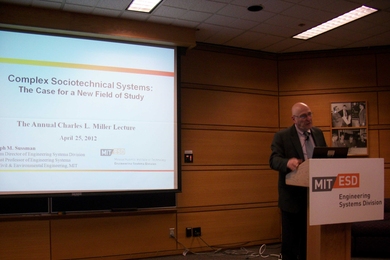
Delivers annual Charles L. Miller Lecture

From Buenos Aires to Honolulu to Montreal, a virtual community grows up around the online initiative’s prototype course.
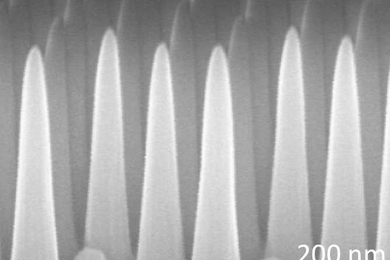
MIT researchers find a way to make glass that’s anti-fogging, self-cleaning and free of glare.
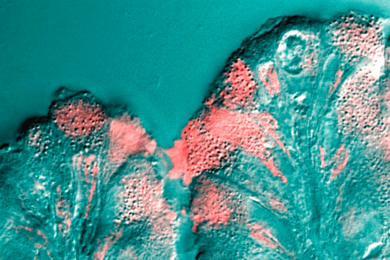
MIT biological engineers find that proteins in mucus help ward off viral infection.
Original short videos, in collaboration with Khan Academy, aim to fuel K-12 students’ interest in engineering and science.
A new twist on pioneering work done by MIT cryptographers almost 30 years ago could lead to better ways of structuring contracts.

Rodney Brooks outlines his vision of the future to student entrepreneurs.
Thin films of bismuth-antimony have potential for new semiconductor chips, thermoelectric devices.
Chen uses LGO internship to improve manufacturing operations at the company's Charleston, S.C. plant