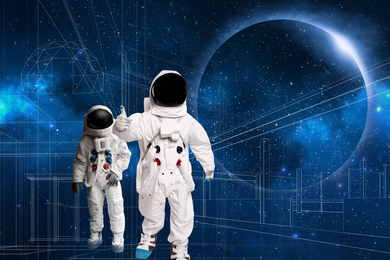
How to design a space habitat that supports its residents’ mental health
A new online platform helps engineers look beyond survival mode when designing habitats for extreme living conditions.
A new online platform helps engineers look beyond survival mode when designing habitats for extreme living conditions.
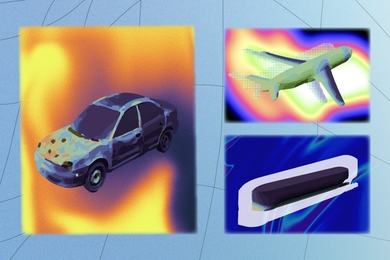
“GeoPT” helps AI models understand the basics of physics so they can simulate how objects respond to things like wind and water more efficiently and accurately.

Their new study aims to give budding industry a framework for understanding how fusion can be profitable.
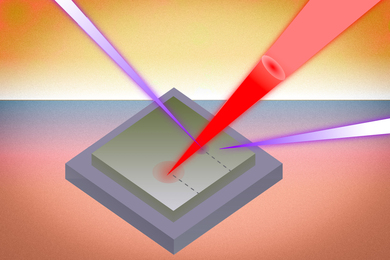
MIT researchers can now precisely measure how heat moves through multilayered materials like computer chips.
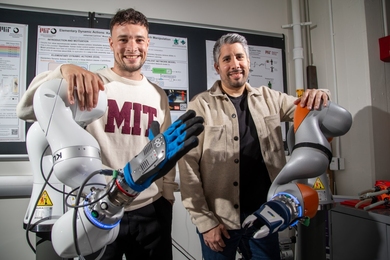
MIT engineers introduce an adaptive physical therapy system that uses generative AI to learn from physical therapists and interactively support stroke patients.
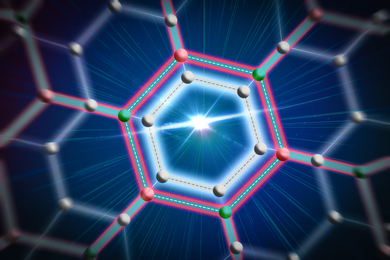
A new technique produces wafer-scale samples, overcoming a major roadblock to using these materials in quantum technologies.

Derived from patient tumor samples and available to researchers around the world, the cells will aid the development of new cancer treatments.
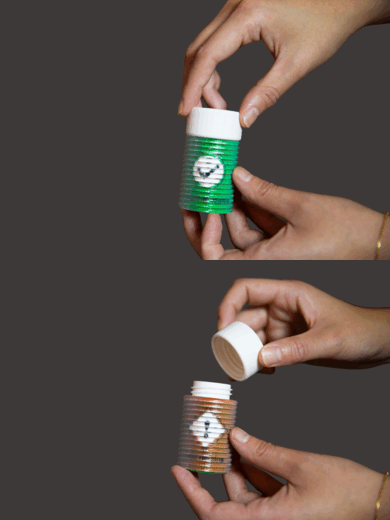
The “ShiftLens” design and fabrication system creates objects that change their surface appearance based on user interactions, without any electronics.
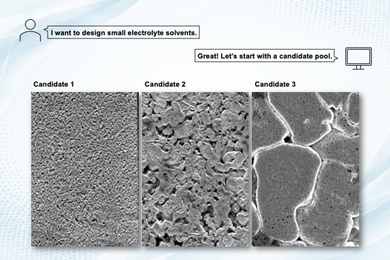
By focusing on electrolytes, MIT scientists are making sodium-metal batteries a more practical energy storage option.

Study finds non-experts deferred to LLM-based diagnostic assistance, even when it was wrong, while clinicians caught AI errors.
An expert in machine learning, statistics, and computation, Rakhlin succeeds Professor Ankur Moitra.
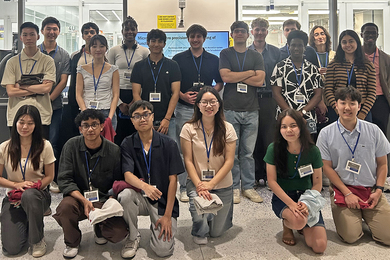
The 2026 NEMC Hub-sponsored externship gave students access to world-class research, advanced semiconductor manufacturing, and professionals driving innovation across the Northeast.
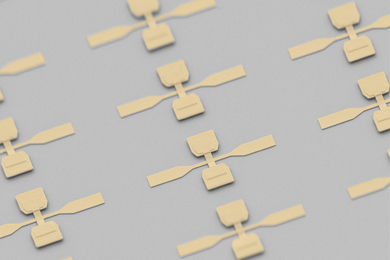
A new fabrication platform integrates molecules into electronic devices, opening the door to emerging computing technologies.
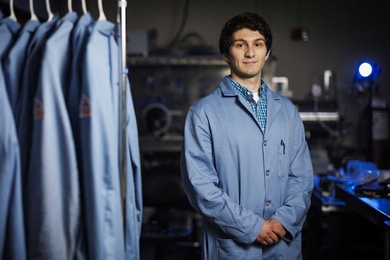
PhD student Hugh Smith works to develop sodium-ion batteries, whose components are more abundant and accessible than those of conventional lithium-ion technology.
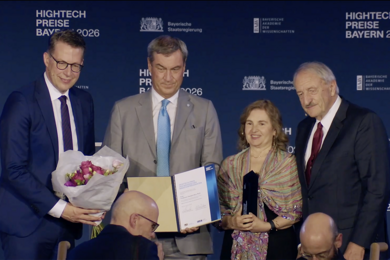
Director of CSAIL and MIT professor honored for her contributions to robotics, artificial intelligence, and autonomous systems.