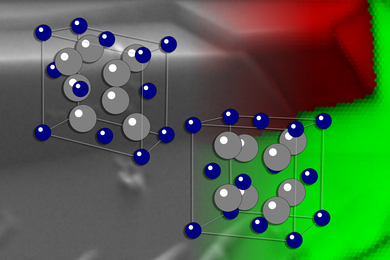
Engineers develop a new kind of shape-memory material
The ceramic-based material could be used for highly efficient actuators for aircraft or other uses, with minimal moving parts.
The ceramic-based material could be used for highly efficient actuators for aircraft or other uses, with minimal moving parts.
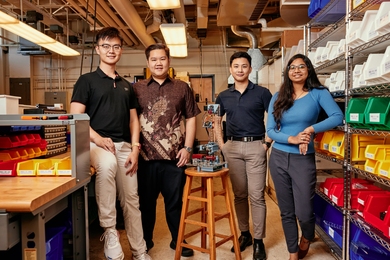
Graduate students create on-campus assembly factory for fiber extrusion devices.
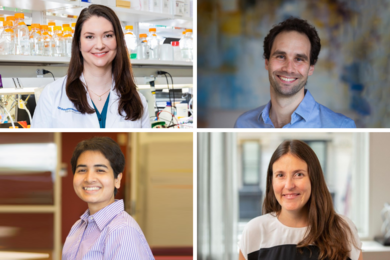
Awards support high-risk, high-impact research from early-career investigators.

A new study maps the genes and cellular pathways that contribute to exercise-induced weight loss.

A new technique enables AI models to continually learn from new data on intelligent edge devices like smartphones and sensors, reducing energy costs and privacy risks.

“AI for endometriosis? If only there were data!”

New material could be used by Tesla to produce all-electric vehicles with just a few massive parts.

MIT president is honored for leadership in advancing higher education and the nation’s research and innovation system.

Inspired by jellyfish and octopuses, PhD candidate Juncal Arbelaiz investigates the theoretical underpinnings that will enable systems to more efficiently adapt to their environments.

MIT spinoff Takachar converts agricultural waste into clean-burning fuel, and wins Earthshot Prize.

OMEGA scholarships encourage bonds between younger and older adults.
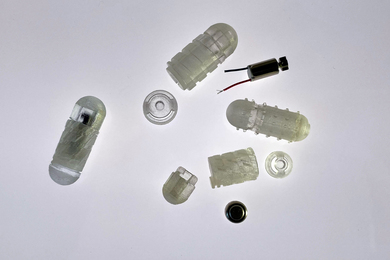
A capsule that tunnels through mucus in the GI tract could be used to orally administer large protein drugs such as insulin.
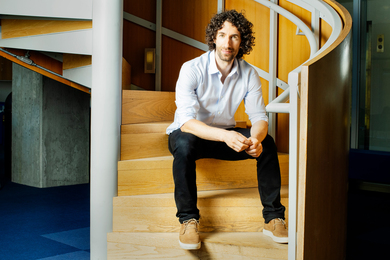
Guy Bresler builds mathematical models to understand multifaceted, interdisciplinary engineering problems that have far-reaching applications.
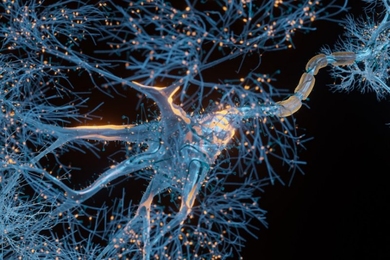
A machine-learning method finds patterns of health decline in ALS, informing future clinical trial designs and mechanism discovery. The technique also extends to Alzheimer’s and Parkinson’s.

The MIT-Pillar AI Collective will cultivate prospective entrepreneurs and drive innovation.