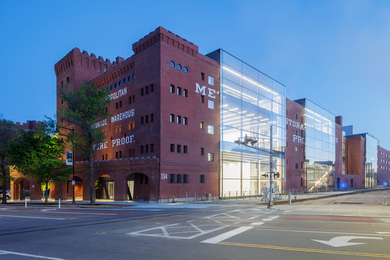
Met Warehouse opens as the new home of MIT’s School of Architecture and Planning
In a feat of adaptive reuse, a massive, century-old brick storage facility has been turned into a contemporary hub for collaboration and creative work.
In a feat of adaptive reuse, a massive, century-old brick storage facility has been turned into a contemporary hub for collaboration and creative work.
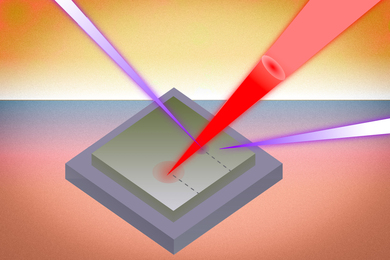
MIT researchers can now precisely measure how heat moves through multilayered materials like computer chips.
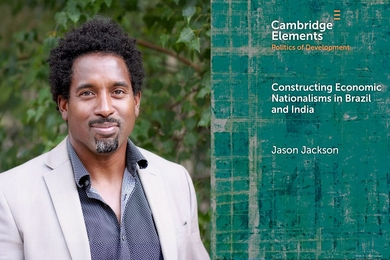
DUSP Associate Professor Jason Jackson’s latest book compares how two countries chose radically different paths to economic independence.

Nicholas de Monchaux reflects on guiding the MIT Department of Architecture through a period of dramatic change for the profession.
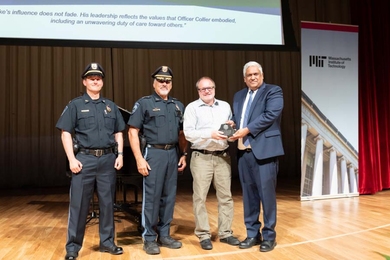
The MIT community celebrated the talent, dedication, and impact of its staff.
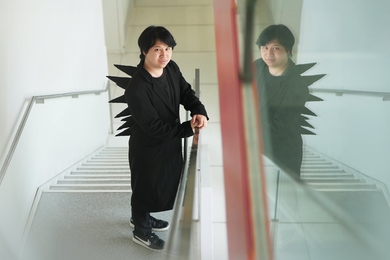
Assistant Professor Pat Pataranutaporn describes a new interface that lets everyday users glimpse inside an AI's neural network before their chatbot ever says a word.
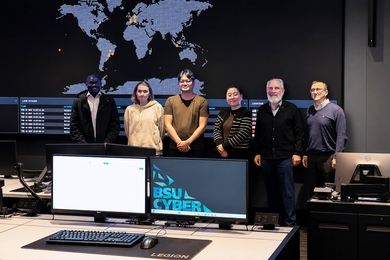
Students from the MIT Cybersecurity Clinic help local governments and other vulnerable organizations defend against digital threats.
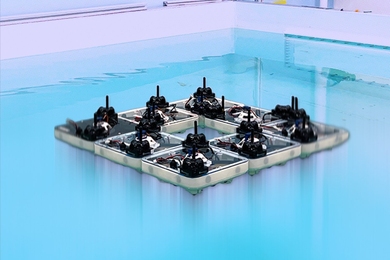
MIT researchers developed FloatForm, a swarm of small aquatic robots that snap together like ants forming a raft, assembling into reconfigurable structures on the water.
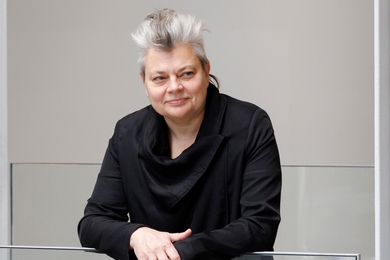
In this leadership role, Miljački seeks to shepherd a collective commitment to transform the present into a better future.
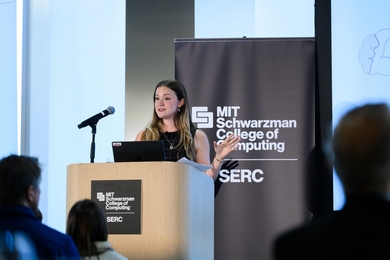
PhD student Rachel Sava, winner of the Envisioning the Future of Computing Prize, explores transformative improvements and dystopian risks of neural technology.
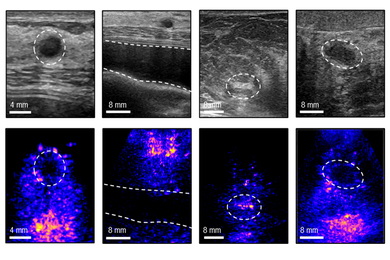
The new technology, which generates high-resolution, 3D images of breast tissue, requires no expertise to operate and could be used at home.
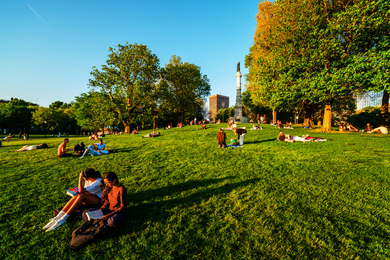
An extensive study of U.S. cities identifies walkable neighborhoods, urban greenery, and access to amenities as key contributors to residents’ health.
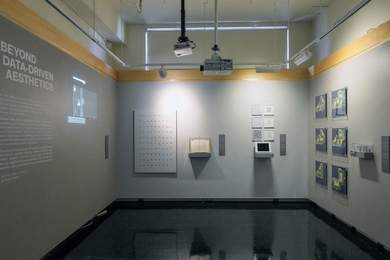
In a new Keller Gallery exhibition, Alexandros Haridis SM ’17, PhD ’22 traces centuries of ideas about aesthetic judgment and explores how design can make complex computational systems visible.
“Scientific American” showcases the history and future of America’s scientific engine, highlighting promising young scientists and icons at MIT and beyond.
Enjoy these recent titles from Institute faculty and staff.