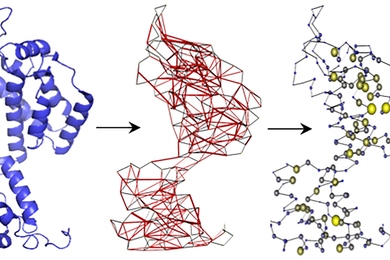
Structure of T cell epitopes a decisive factor in natural HIV control, study finds
Researchers apply network theory to HIV protein structure, uncovering a vital link between connectivity and protective immune response.
Researchers apply network theory to HIV protein structure, uncovering a vital link between connectivity and protective immune response.

Startup SQZ Biotech aims to open a new path in immunotherapy with its cell-compressing technique.
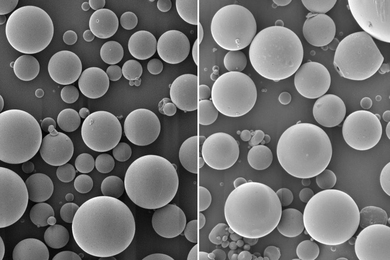
Nanoparticles could offer a new way to help eradicate the disease worldwide.
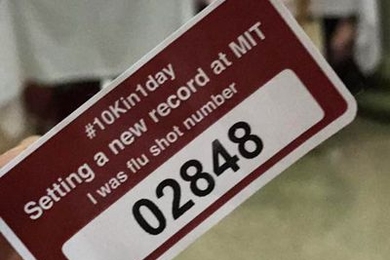
This year’s clinic lived up to its reputation as one of the most efficient operations at MIT.

Mark Bathe develops molecular packages for targeted delivery of drugs, vaccines, and gene-editing tools.
Researchers program RNA nanoparticles that could protect against the virus.

Bill and Melinda Gates Foundation awards MIT, University College London, and University of Kansas $17.6M for development and production of low-cost vaccines.

Second clinic to take place Thursday, Oct. 20, at the Stratton Student Center.

PhD student Anasuya Mandal’s microneedle device could painlessly monitor the immune system.
Tests in mice show the vaccines work against Ebola, influenza, and a common parasite.
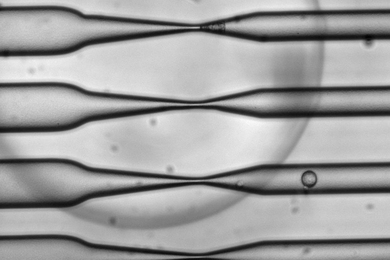
Microfluidic cell-squeezing device opens new possibilities for cell-based vaccines.

"It's far easier to scare people than it is to reassure them," MIT researcher and author says.

Study yields insight into generating antibodies that target different strains of HIV.

MIT professor co-authors AAAS report calling for dedicated research on vaccination decisions.