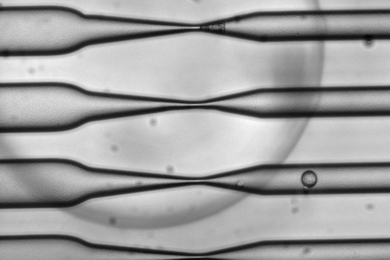
Freshly squeezed vaccines
Microfluidic cell-squeezing device opens new possibilities for cell-based vaccines.
Microfluidic cell-squeezing device opens new possibilities for cell-based vaccines.

"It's far easier to scare people than it is to reassure them," MIT researcher and author says.

Study yields insight into generating antibodies that target different strains of HIV.

MIT professor co-authors AAAS report calling for dedicated research on vaccination decisions.
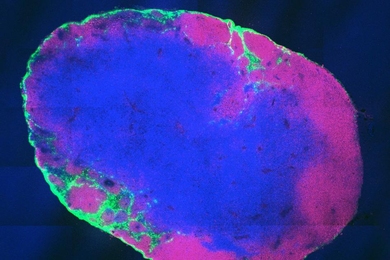
New MIT vaccines that catch a ride to immune cell depots could help fight cancer and HIV.
Research could help prevent millions of people from becoming infected with the next pandemic flu

Ragon Institute researchers develop a method to identify weak points in viral proteins that could be exploited for vaccine development.

Polymer film that gradually releases DNA coding for viral proteins could offer a better alternative to traditional vaccines.
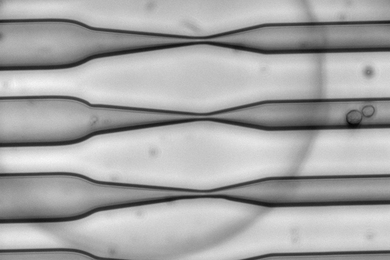
By deforming cells, researchers can deliver RNA, proteins and nanoparticles for many applications.
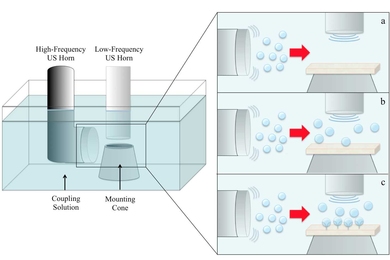
Using ultrasound waves, researchers boost skin’s permeability to drugs.

Jet-injected drugs could improve patient compliance, reduce accidental needle sticks.

Model of flu proteins suggests new way to design vaccines that slow mutations.

New technology could help AIDS researchers develop new vaccines.
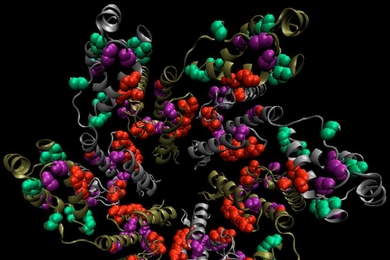
Vaccines that target newly identified viral protein sequences could be more effective than previous efforts.