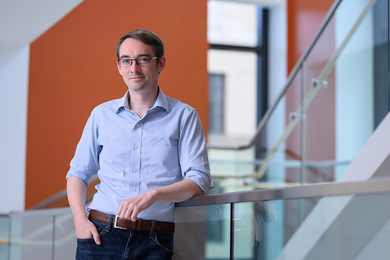
Addressing nuclear challenges, from radiation detection to power in space
Assistant Professor Jake Hecla is developing tools to cool space-based reactors, detect the presence of nuclear weapons, and better understand emerging nuclear technologies.
Assistant Professor Jake Hecla is developing tools to cool space-based reactors, detect the presence of nuclear weapons, and better understand emerging nuclear technologies.
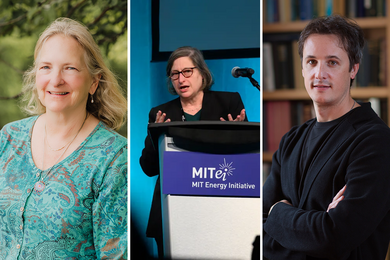
Anthea Coster, Carolyn Ruppel, César Terrer, and eight additional alumni are honored for their work in the geosciences.
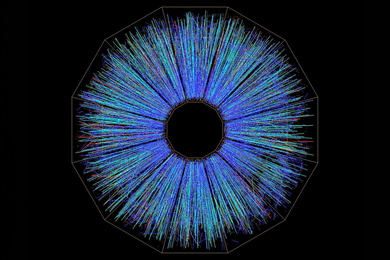
A new method picks up where Einstein left off, to predict how particles move through fluid under extreme conditions.
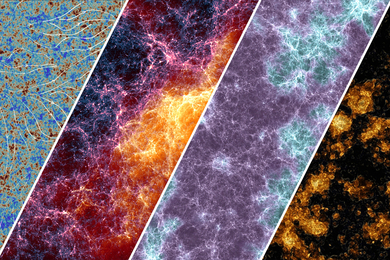
The new simulation tracks dark matter, galaxies, stars, and cosmic structures over the universe’s first 2 billion years, in greater detail and volume than ever before.
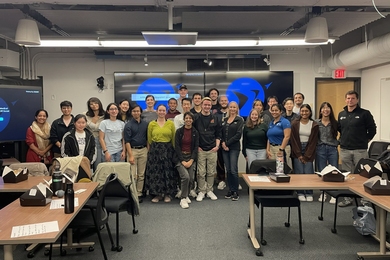
MIT’s Doctors Without Gravity club connects health and space science enthusiasts.
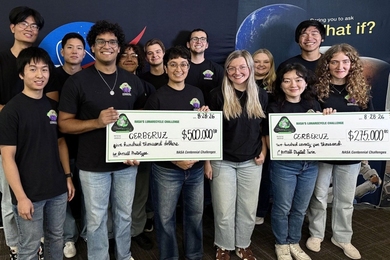
The team took first prize in both the Prototype and Digital Twin tracks for its lunar waste recycling system.
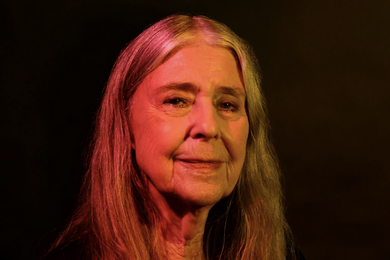
Over two decades at MIT, Hamilton forged new paths in computer science and engineering. Her groundbreaking work included leading the team that programmed the first computers that took humans to the moon.
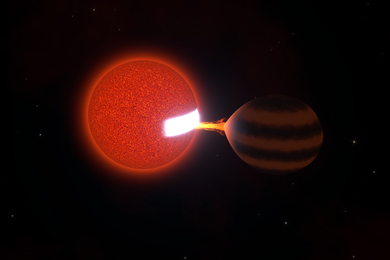
The discovery reveals a new way that stars and planetary companions can interact.
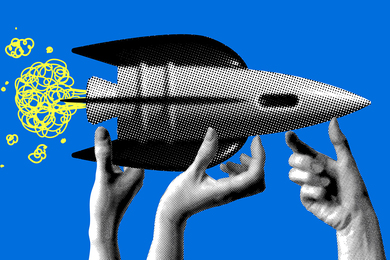
An industry report published by students in an MIT aerospace entrepreneurship class lays out guidance for aspiring space leaders and investors.
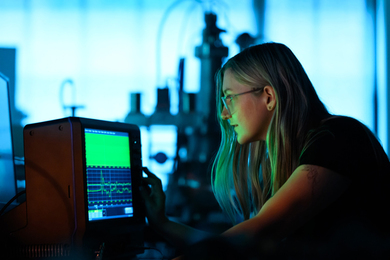
PhD candidate Lanie McKinney is building technology to convert the Red Planet’s atmosphere into propellant for bringing astronauts home.
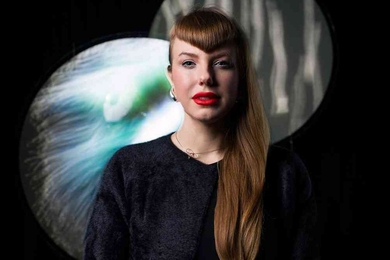
Inaugural artist Amy Karle will join astrophysicists at MIT’s Kavli Institute to explore questions about the universe and translate them into an immersive multimedia experience.
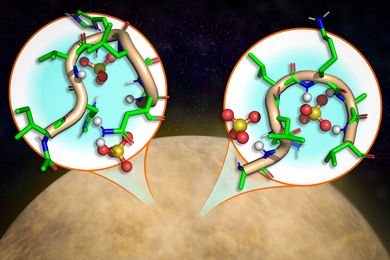
New research offers support for the possibility that complex biological molecules could exist in the highly acidic environment of Venus’s cloud layer.
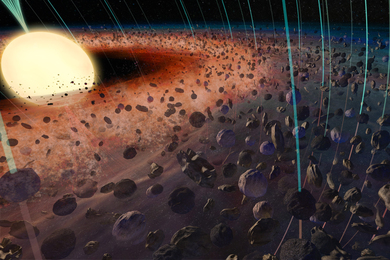
The discovery likely represents the earliest known evidence of a magnetic field in the infant solar system.
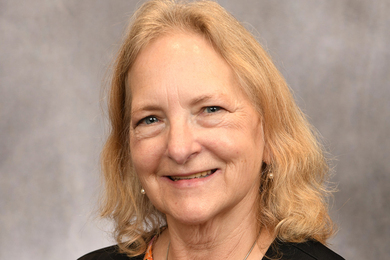
The MIT Haystack Observatory principal research scientist is honored for lifetime contributions to ionospheric research.
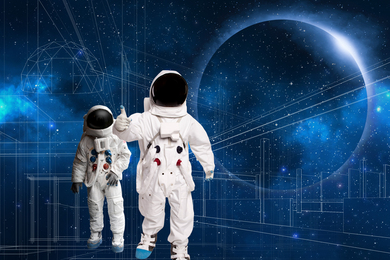
A new online platform helps engineers look beyond survival mode when designing habitats for extreme living conditions.