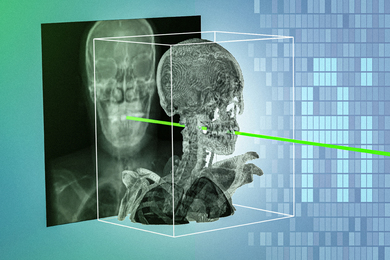
New AI technique could make minimally invasive surgeries safer and more precise
This patient-specific method, called xvr, helps doctors use X-rays for surgical navigation in fields such as orthopedics and neurosurgery.
This patient-specific method, called xvr, helps doctors use X-rays for surgical navigation in fields such as orthopedics and neurosurgery.
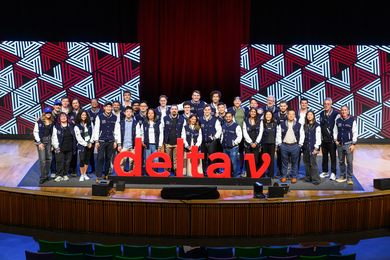
The event featured ventures solving problems in manufacturing, cybersecurity, health care spending, and more.

Professor Haruko Wainwright believes the risks posed by radioactive wastes cannot be properly assessed without also considering the hazards of chemical wastes.

Researchers reveal how communities of marine bacteria divide the task of degrading fucoidan, a key player in ocean carbon storage.

The senior from Atlanta is majoring in AI and decision making, serves as a leader in several campus groups, and has a soft spot for car improvement projects.

The “HardFlow” algorithm could help generative AI models produce high-quality outputs that obey strict requirements when “pretty close” doesn’t cut it.

Atlas Building Composites is commercializing MIT research to turn plastic waste into parts for buildings and other infrastructure.
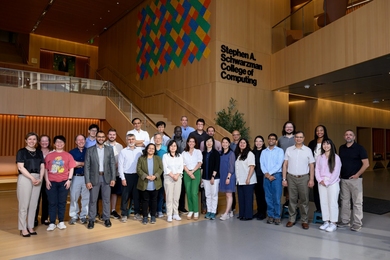
A weeklong summer workshop brought higher education faculty to campus to explore how AI and machine learning materials can be adapted for their classrooms.

Delivered at just the right time, this type of auditory stimulus can strengthen the flow of cerebrospinal fluid, which clears debris from the brain and keeps it healthy.

In the new method, cells package and export their RNA, enabling researchers to sequence and analyze the RNA without killing the cells.
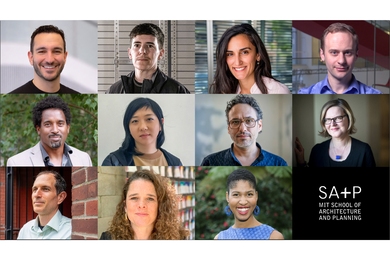
The range of faculty disciplines showcases the breadth of research and scholarship across the school.

The junior, an electrical engineering with computing major, stays busy with many student activities, from giving MIT tours to helping lead her sorority to collaborating with the nonprofit Engineers Without Borders.

Colleagues remember Rose as an enthusiastic and gracious friend who had recently started a promising research track at MIT.
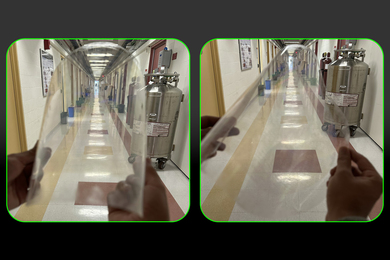
This scalable process produces high-performance chips for applications like discreet wearables or pliable augmented-reality displays.

This advance could be a big step toward developing a scalable, practical quantum computer.