
Waves that clear waste from the brain during sleep are impaired in older adults
Researchers now hope to investigate whether increasing the flow of cerebrospinal fluid during sleep could improve brain health.
Researchers now hope to investigate whether increasing the flow of cerebrospinal fluid during sleep could improve brain health.

The system asks humans for feedback to increase trust in machine-generated designs for buildings and bridges.
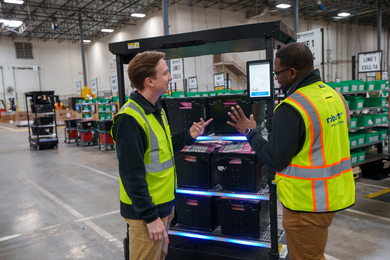
Founded by Anthony Jules ’92, SM ’92 and Professor Emeritus Rodney Brooks, Robust AI’s robots are designed to collaborate with humans in factories and warehouses.
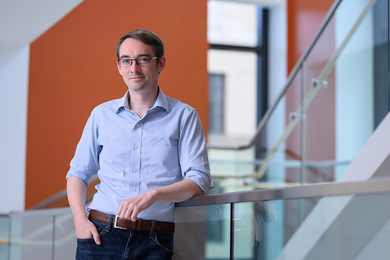
Assistant Professor Jake Hecla is developing tools to cool space-based reactors, detect the presence of nuclear weapons, and better understand emerging nuclear technologies.
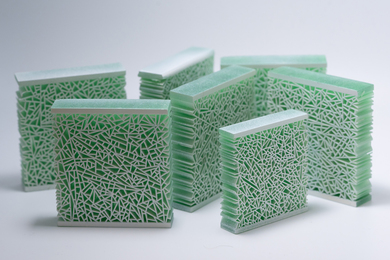
The new design approach could improve impact absorption for helmets, packaging, and armor.
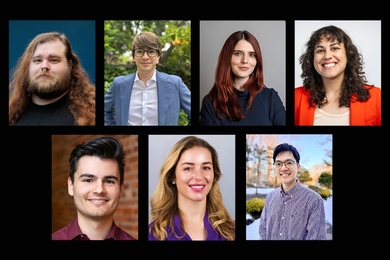
Faculty members serve in core computing and shared roles, bringing a wide range of experiences and areas of expertise to the MIT community.
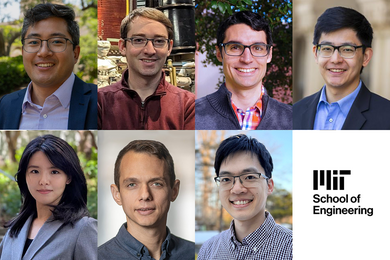
The newest MIT engineering faculty are conducting research across a diverse range of subject areas.

With up to $53 million from ARPA-H, the researchers will use AI to generate safer herbicides that reduce dependence on imports and improve the security of the U.S. food supply.
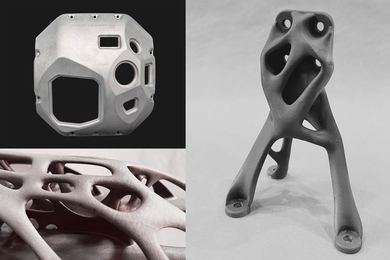
Founded by MIT alumni, Fabri uses 3D printing and software to eliminate many of the steps that slow down traditional metal casting.

Through leadership roles in ROTC and Camp Kesem, plus navigating an academic pivot, senior Andrew Voelsing has learned to face new challenges with enthusiasm.
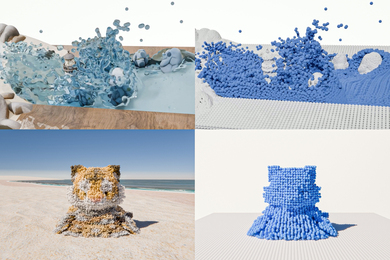
By learning how matter moves, the WorldParticle system could assist with developing soft robots, medicines, and more.
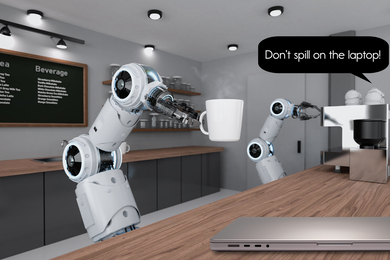
The new approach, known as FLEX, could lead to more intuitive, interactive household and assistive robots.
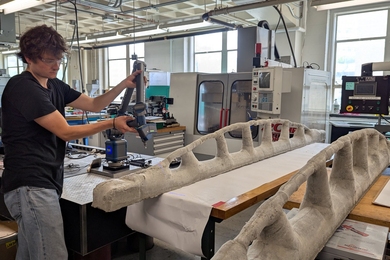
MIT engineers cast a concrete beam using a sewn fabric mold with one-third the amount of concrete and half as much steel as a conventional beam.
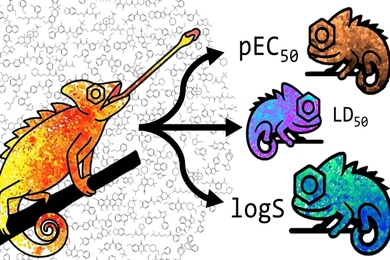
A machine-learning approach called CheMeleon provides a practical way to develop new drugs or other molecules with much less detailed, expensive experimentation.

A new system identifies and corrects unreliable object descriptions stored in a robot’s memory, improving the robot’s ability to interact with its environment.