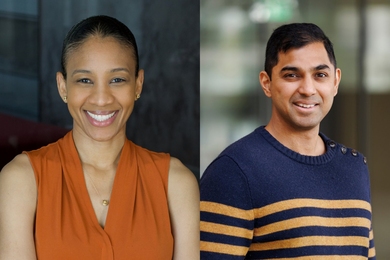
Two MIT faculty members named 2026 Pew Biomedical Scholars
Cell biologist Whitney Henry and immunologist Harikesh Wong will receive four years of flexible funding to advance early-career research on ferroptosis and immune decision-making.
Cell biologist Whitney Henry and immunologist Harikesh Wong will receive four years of flexible funding to advance early-career research on ferroptosis and immune decision-making.
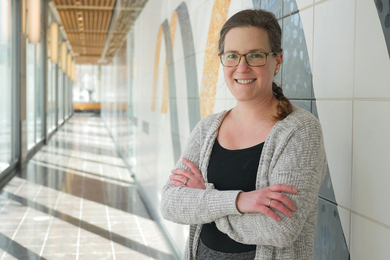
Assistant Professor Alison Ringel will investigate the intersection of immunology and aging biology, aiming to define mechanisms that underlie aging-related decline, thanks to a grant from the foundation.
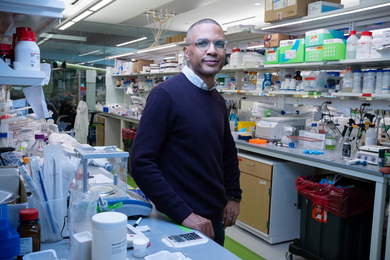
By analyzing how Myobacterium tuberculosis interacts with the immune system, the associate professor hopes to find new vaccine targets to help eliminate the disease.
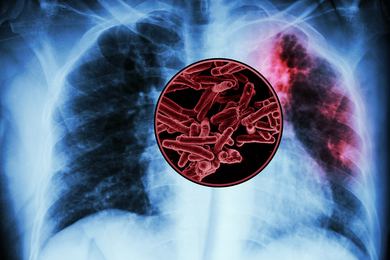
Using these antigens, researchers plan to develop vaccine candidates that they hope would stimulate a strong immune response against the world’s deadliest pathogen.
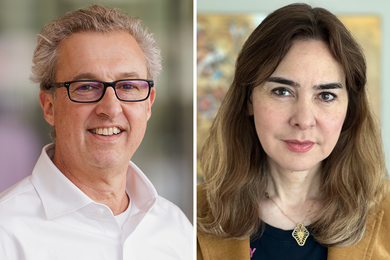
Professors Facundo Batista and Dina Katabi, along with three additional MIT alumni, are honored for their outstanding professional achievement and commitment to service.

The major public-private partnership is expected to strengthen MIT research and US leadership in astronomy and engineering.

CellLENS reveals hidden patterns in cell behavior within tissues, offering deeper insights into cell heterogeneity — vital for advancing cancer immunotherapy.
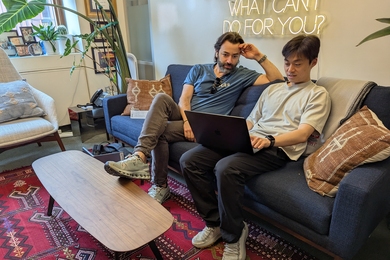
The MESA method uses ecological theory to map cellular diversity and spatial patterns in tissues, offering new insights into disease progression.

The nanoparticle-based vaccine shows promise against many variants of SARS-CoV-2, as well as related sarbecoviruses that could jump to humans.
MIT researchers find that the first dose primes the immune system, helping it to generate a strong response to the second dose, a week later.
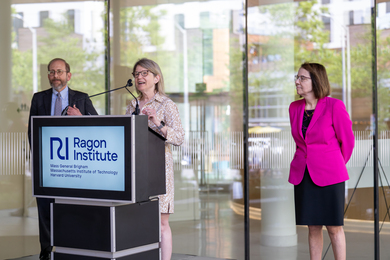
The building will serve as a hub for research on the development of immunology-based treatments.
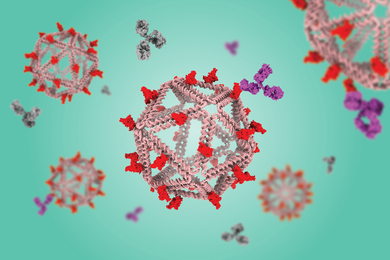
Using a DNA-based scaffold carrying viral proteins, researchers created a vaccine that provokes a strong antibody response against SARS-CoV-2.
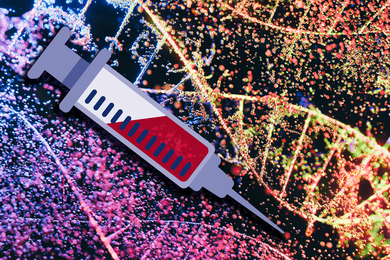
The advance makes it easier to detect circulating tumor DNA in blood samples, which could enable earlier cancer diagnosis and help guide treatment.
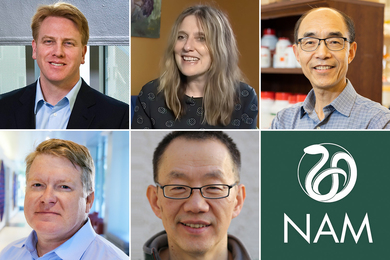
Five MIT faculty, along with seven additional affiliates, are honored for outstanding contributions to medical research.
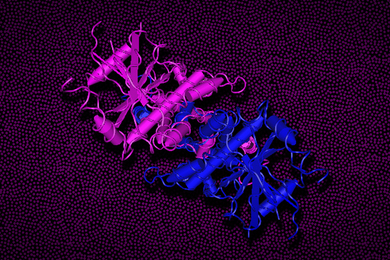
In addition to turning on genes involved in cell defense, the STING protein also acts as an ion channel, allowing it to control a wide variety of immune responses.