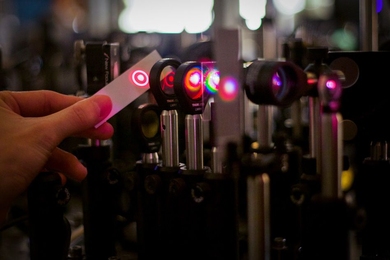
Toward “valleytronic” devices for data storage or computer logic systems
Researchers have discovered a new way to tune electronic energy levels in some 2-D materials.
Researchers have discovered a new way to tune electronic energy levels in some 2-D materials.

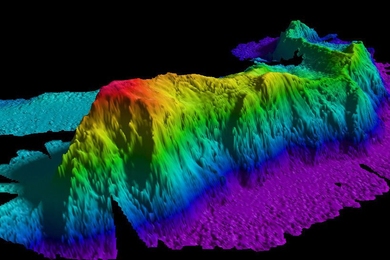
Turbulence from seafloor topography may explain longstanding question about ocean circulation.

New approach can help organizations scale their data science efforts with artificial data and crowdsourcing.
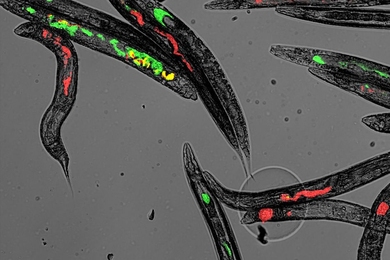
Study finds a role for randomness in the composition of the gut’s microbe populations.
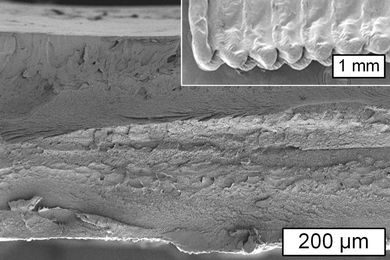
World’s most abundant polymer could rival petroleum-based plastics as source of printing feedstock.
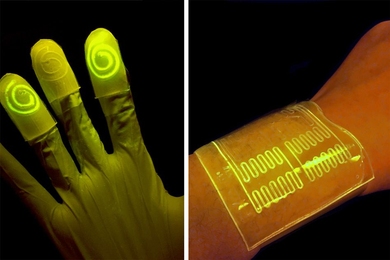
Cell-infused gloves and bandages light up when in contact with certain chemicals.

Technique could provide unique views of single molecules that conventional methods can’t match.

Users can search database of 1,600 stars to find signs of new exoplanets.
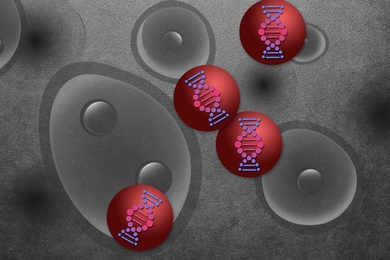
New test helps identify particles for gene delivery or RNA interference.
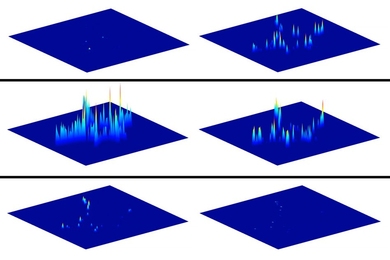
New technology could help neuroscientists understand how dopamine influences brain activity.
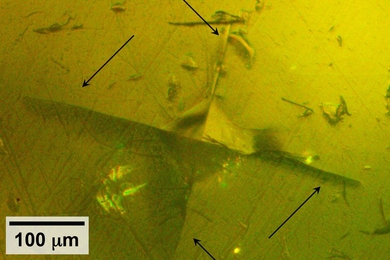
Researchers investigate mechanics of lithium sulfides, which show promise as solid electrolytes.
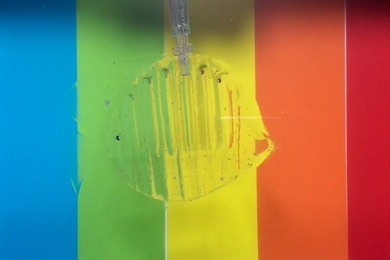
Made from hydrogel, robots may one day assist in surgical operations, evade underwater detection.
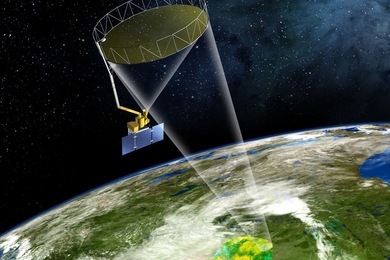
First year of data from SMAP satellite provides new insights for weather, agriculture, and climate.
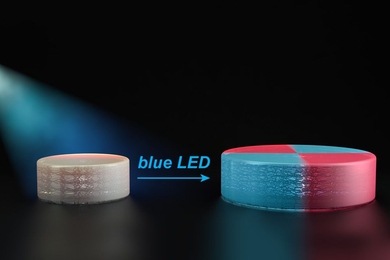
Once fabricated, objects can be altered by adding new polymers.