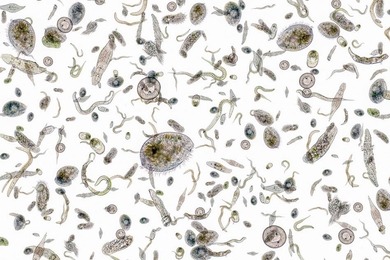
Seeding oceans with iron may not impact climate change
Study finds Earth’s oceans contain just the right amount of iron; adding more may not improve their ability to absorb carbon dioxide.
Study finds Earth’s oceans contain just the right amount of iron; adding more may not improve their ability to absorb carbon dioxide.
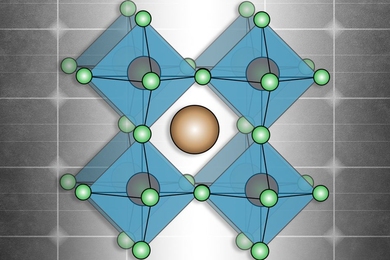
Starting with higher-value niche markets and then expanding could help perovskite-based solar panels become competitive with silicon.
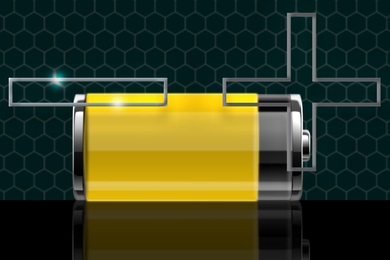
An MIT team has devised a lithium metal anode that could improve the longevity and energy density of future batteries.
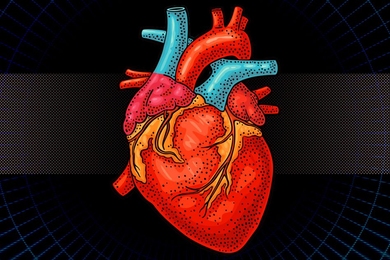
Device made of heart tissue and a robotic pumping system beats like the real thing.
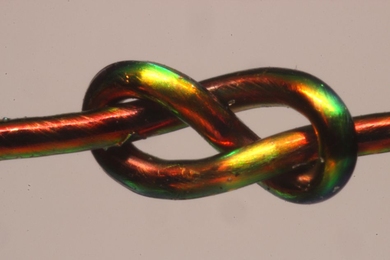
With help from spaghetti and color-changing fibers, a new mathematical model predicts a knot’s stability.
An immune molecule sometimes produced during infection can influence the social behavior of mice.
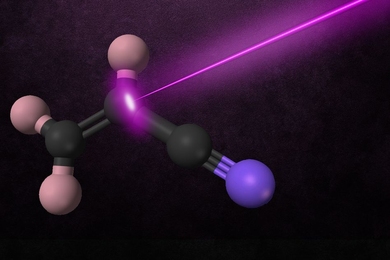
New technique for observing reaction products offers insights into the chemical mechanisms that formed them.

Economists analyze how patients and health care providers value Medicaid.
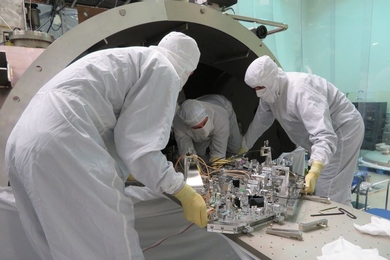
Technology “squeezes” out quantum noise so more gravitational wave signals can be detected.

Scientists reveal the genes and proteins controlling the chemical structures underpinning paleoclimate proxies.
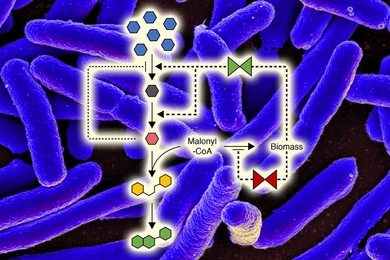
Chemical engineers program bacteria to switch between different metabolic pathways, boosting their yield of desirable products.
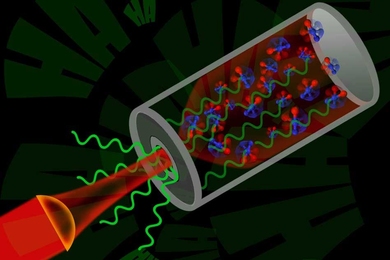
Device may enable “T-ray vision” and better wireless communication.

Extremely large electric fields can prevent umbrella-shaped ammonia molecules from inverting.

New adhesive that binds wet surfaces within seconds could be used to heal wounds or implant medical devices.
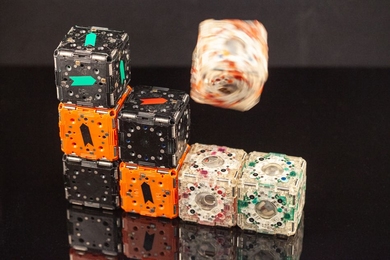
Developed at MIT’s Computer Science and Artificial Intelligence Laboratory, robots can self-assemble to form various structures with applications including inspection.