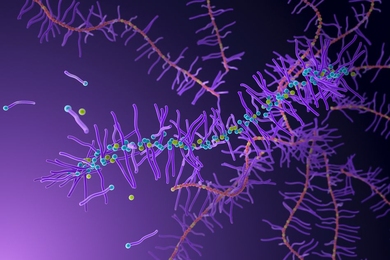
New synthesis method yields degradable polymers
Materials could be useful for delivering drugs or imaging agents in the body; may offer alternative to some industrial plastics.
Materials could be useful for delivering drugs or imaging agents in the body; may offer alternative to some industrial plastics.

Physicists simulate critical “reheating” period that kickstarted the Big Bang in the universe’s first fractions of a second.

Study finds even the tallest ice cliffs should support their own weight rather than collapsing catastrophically.
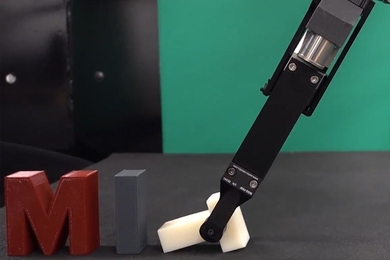
An algorithm speeds up the planning process robots use to adjust their grip on objects, for picking and sorting, or tool use.

The X-ray-focusing lens used in the experiment is based on a design used in lighthouses for centuries.
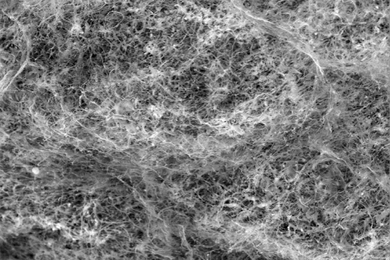
Specialized sugar molecules called glycans can disarm opportunistic pathogens and prevent infection.
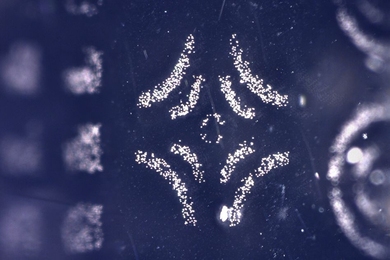
New technique could enable assembly of circuit boards and displays with more minute components.
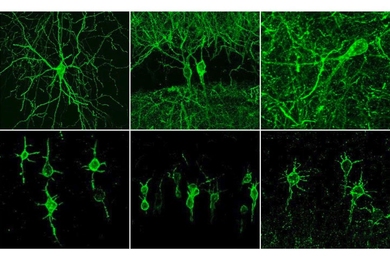
Fluorescent probe could allow scientists to watch circuits within the brain and link their activity to specific behaviors.
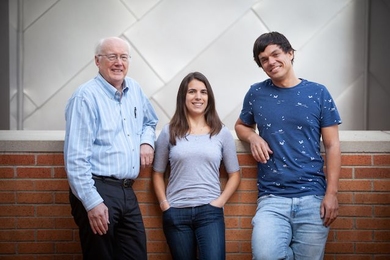
Model from the Computer Science and Artificial Intelligence Laboratory identifies “serial hijackers” of internet IP addresses.
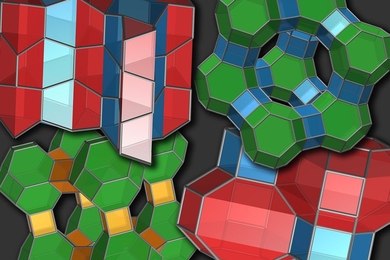
Study of minerals widely used in industrial processes could lead to discovery of new materials for catalysis and filtering.

MIT engineers develop a model that predicts how the cornstarch-water mixture turns from liquid to solid, and back again.
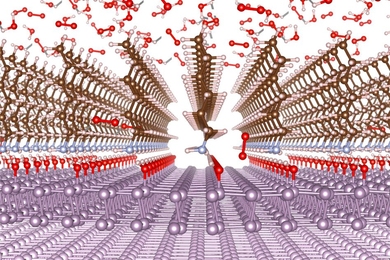
Ultrathin coating could protect 2D materials from corrosion, enabling their use in optics and electronics.
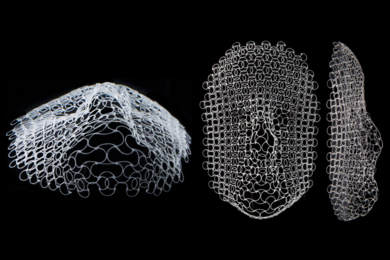
New structural design could lead to self-deploying tents or adaptive robotic fins.
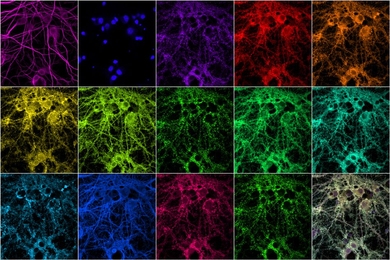
Rapid imaging method could help reveal how conditions such as autism affect brain cells.

Results support Einstein’s theory and the idea that black holes have no “hair.”