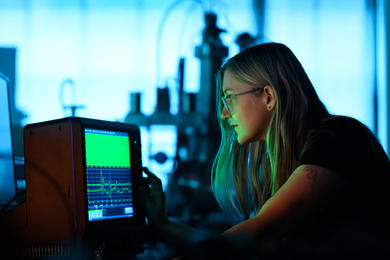
Fueling a return journey from Mars
PhD candidate Lanie McKinney is building technology to convert the Red Planet’s atmosphere into propellant for bringing astronauts home.
PhD candidate Lanie McKinney is building technology to convert the Red Planet’s atmosphere into propellant for bringing astronauts home.
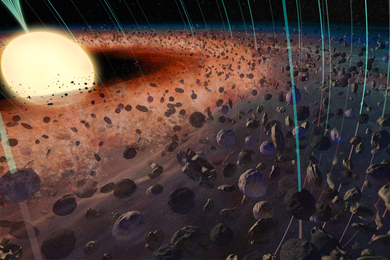
The discovery likely represents the earliest known evidence of a magnetic field in the infant solar system.

The MIT Haystack Observatory principal research scientist is honored for lifetime contributions to ionospheric research.
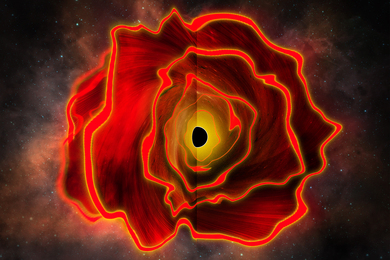
The mashup of a black hole and an enormous star has never been seen before and could explain the mysterious little red dots often found in deep-space images.
A new online platform helps engineers look beyond survival mode when designing habitats for extreme living conditions.
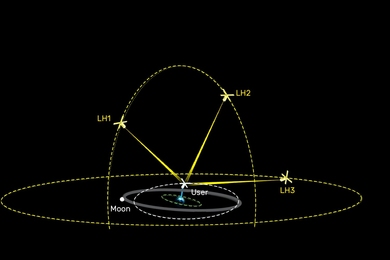
Acting as cooperative optical beacons, the satellites could provide GPS-like navigation and communications support for spacecraft operating across cislunar space.
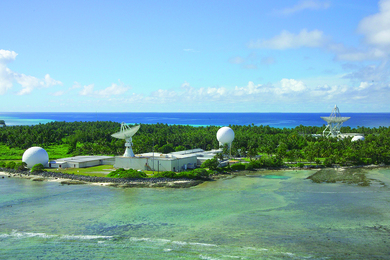
Members of the laboratory community reflect on technology impacts that shaped the United States and the world over the past 75 years.
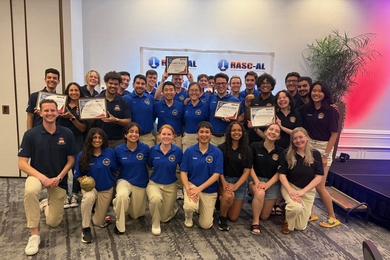
Three MIT teams took five top awards in the 2026 NASA RASC-AL Competition for designing critical elements for the moon base and future missions to Mars.

By analyzing X-ray reverberations and other astrophysical data, Erin Kara seeks to understand the most extreme objects in the universe.
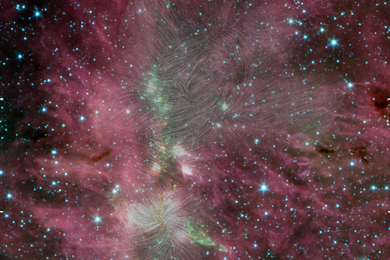
MIT Haystack Observatory researchers use SOFIA observations to reveal how magnetic fields guide the assembly of one of our galaxy's most active high-mass star-forming regions.
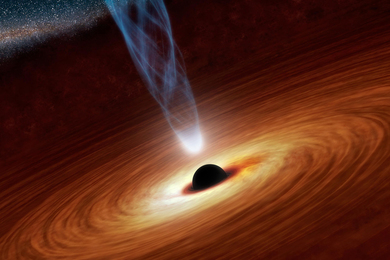
When the universe was just 850 million years old, this voracious black hole was already surprisingly mature, a new study finds.
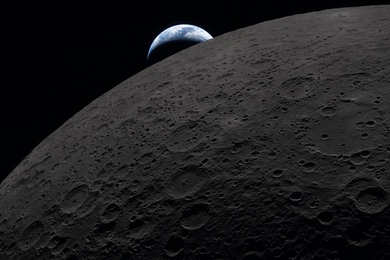
This first use of laser communications on a crewed mission at lunar distance was a foundational step to establishing a high-speed internet in deep space.
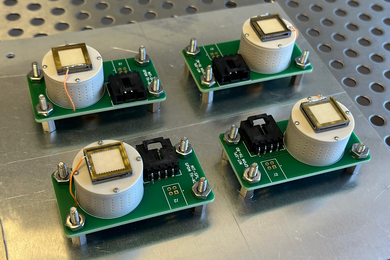
For satellites as small as a briefcase, getting around in space just got a whole lot easier.
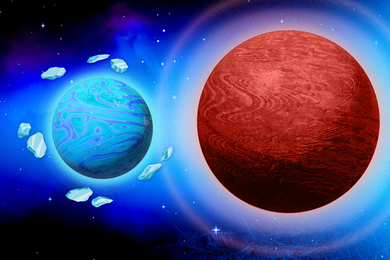
New measurements of a hot Jupiter and its mini-Neptune companion suggest both planets formed surprisingly far away from their host star.
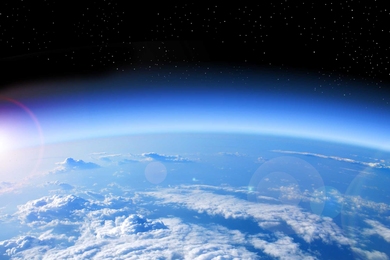
Scientists say an exception in the Montreal Protocol for the use of ozone-depleting feedstocks could set the ozone recovery back seven years.