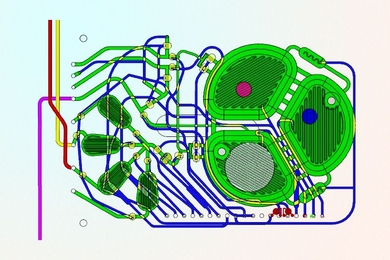
Portable device produces biopharmaceuticals on demand
System would use microbes for manufacturing small amounts of vaccines and other therapies.
System would use microbes for manufacturing small amounts of vaccines and other therapies.
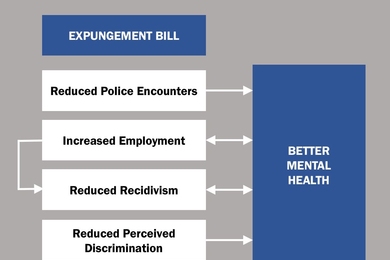
New class offers urban planners tools to explore the intersection of city planning and public health.
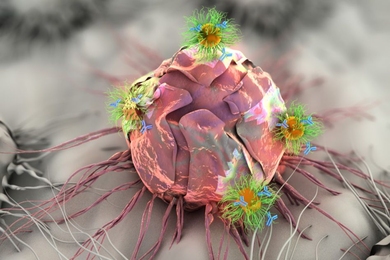
In mice, device destroyed colorectal tumors and prevented remission after surgery.
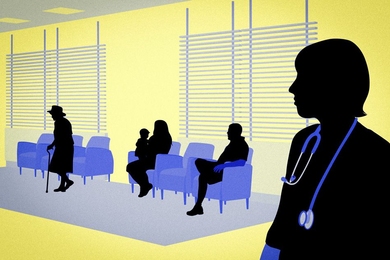
MIT spinout helps health-care providers schedule patients more efficiently.

Largest metagenomic view of the developing world uncovers “mobile genes” that reveal how culture shapes the human microbiome.

MIT political scientist Andrea Campbell discusses the impact of equity on health care innovation and outcomes.
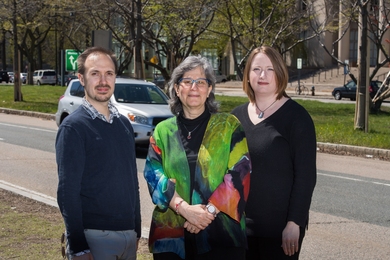
MIT researchers demonstrate a new approach to designing location-specific emissions-control measures.
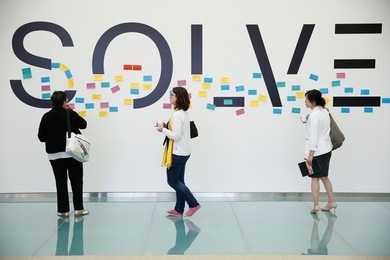
Addressing the world’s most pressing issues, second year of program will focus on in-person gatherings, solution proposals.
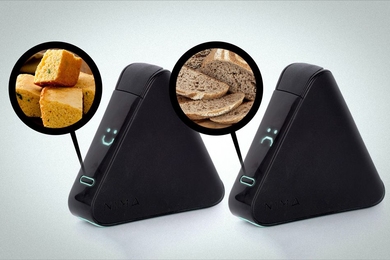
Portable sensor detects trace amounts of gluten in food at restaurants.
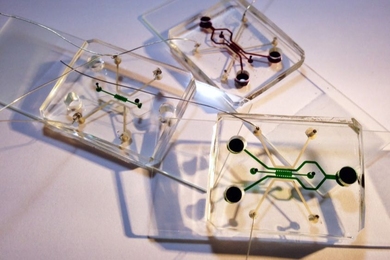
Low-intensity fields keep malignant cells from spreading, while preserving healthy cells.
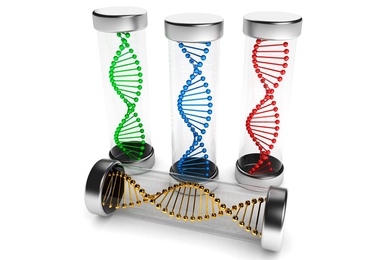
Tests in mice show the vaccines work against Ebola, influenza, and a common parasite.

Report calls for more integration of physical, life sciences for needed advances in biomedical research.
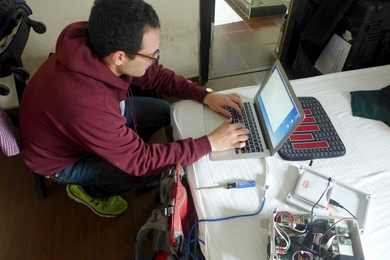
Research from MIT's Tata Center for Technology and Design is helping to quantify emissions in the world’s most polluted cities.
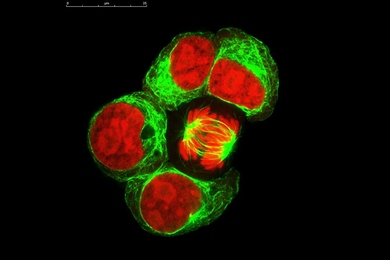
Technique combines analogue and digital processes in engineered cells.

Senior Cara Lai cites MIT Literature studies as key to her preparation for medical practice.