
MIT students gain a humanist lens on technical innovation in Tulsa, Oklahoma
The PKG Center for Social Impact expands Code.Tulsa experiential learning program.
The PKG Center for Social Impact expands Code.Tulsa experiential learning program.

Patricia and James Poitras ’63 provide fellowships for graduate students and postdocs who will shape the future of mental health research.
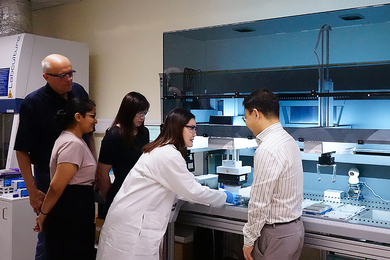
Novel research expands scientific understanding of how RNA shapes the reading of genetic information.
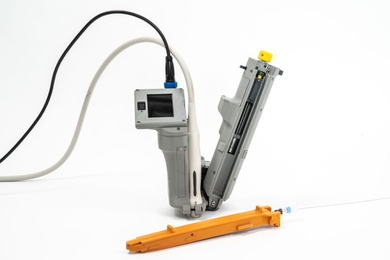
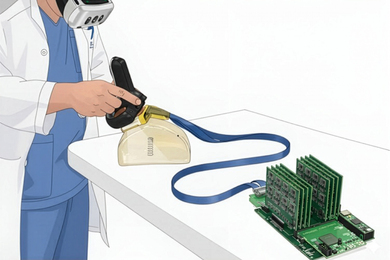
The handheld catheterization device AI-GUIDE, created by Lincoln Laboratory and Massachusetts General Hospital, promises improved health outcomes for injured service members and civilians.
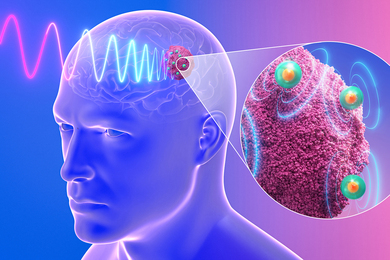
MIT researchers show implanted nanoantennas can be activated wirelessly to kill brain cancer cells without damage to healthy tissue.
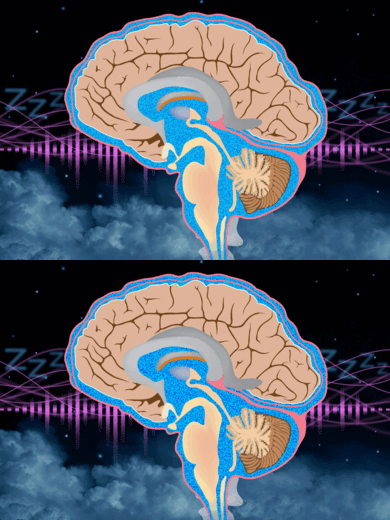
Delivered at just the right time, this type of auditory stimulus can strengthen the flow of cerebrospinal fluid, which clears debris from the brain and keeps it healthy.
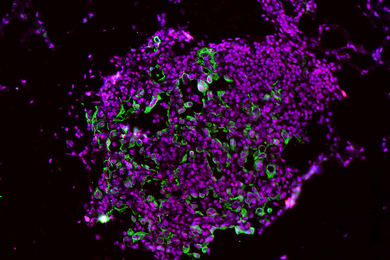
A new study by MIT researchers shows that inhibiting caspase-1 can reduce the risk of tumor growth.
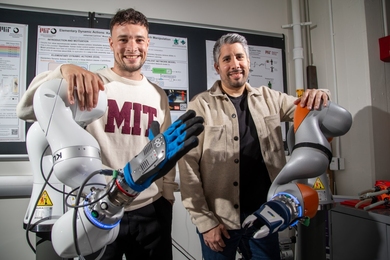
MIT engineers introduce an adaptive physical therapy system that uses generative AI to learn from physical therapists and interactively support stroke patients.
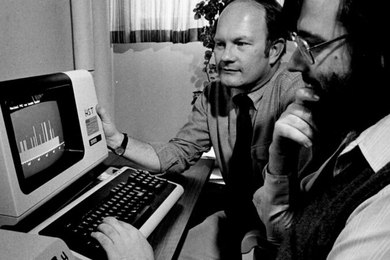
The visionary PhysioNet platform launched 25 years ago, based on a system developed at MIT in the 1970s. It has become one of the most comprehensive biomedical and clinical data repositories in existence.

Longtime professors and experts in the fields of anesthesiology, aerospace engineering, and biological engineering, respectively, receive MIT’s highest faculty honor.

Cell biologist Whitney Henry and immunologist Harikesh Wong will receive four years of flexible funding to advance early-career research on ferroptosis and immune decision-making.

“Scientific American” showcases the history and future of America’s scientific engine, highlighting promising young scientists and icons at MIT and beyond.
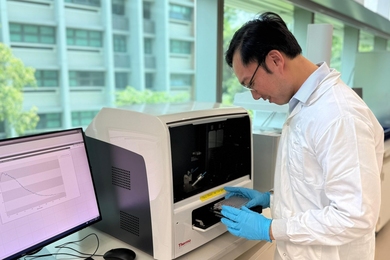
Researchers developed an optical nanosensor to rapidly detect a key gut biomarker, enabling faster, accessible screening.
MIT researchers have designed an ultrasound system that creates a real-time 3D representation of the object being imaged.
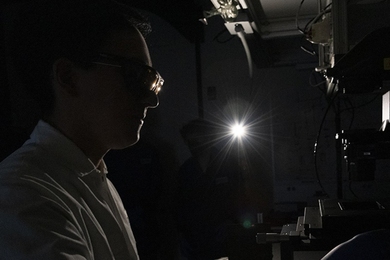
Researchers can now use custom-built microscopy and nanotechnology to tag and follow the activity of individual proteins in real-time.