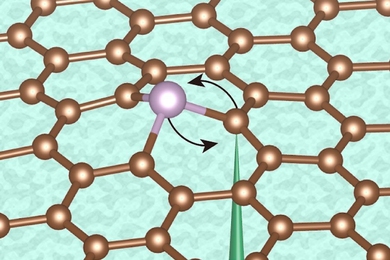
Manipulating atoms one at a time with an electron beam
New method could be useful for building quantum sensors and computers.
New method could be useful for building quantum sensors and computers.

Longtime educator, collaborator, and mentor was an expert in magnetism and author of both scientific and historic nonfiction.
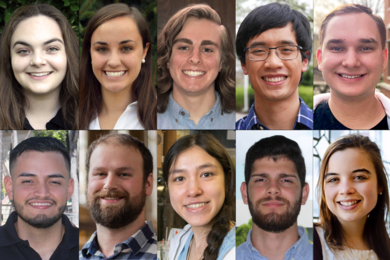
Research Experience for Undergraduates program participants bring diverse interests in sustainable energy, polymers, and physics.

Faculty members recognized for excellence via a diverse array of honors, grants, and prizes over the last quarter.
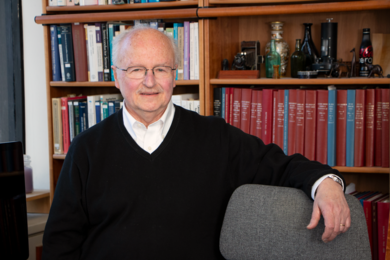
Pioneering materials science and engineering research enables better catalytic converters, miniature explosives detectors, and thin-film microbalances.
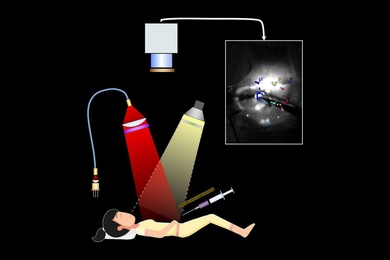
More effective surgery could boost survival rates for ovarian cancer.
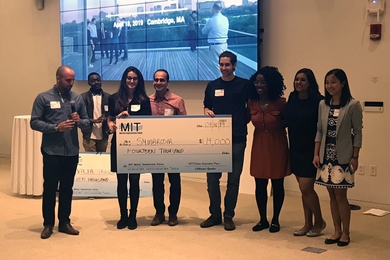
Student-led startups Symbrosia and SiPure each awarded a $14,000 grand prize.

Novel batteries are the first to use water-splitting technology at their core.
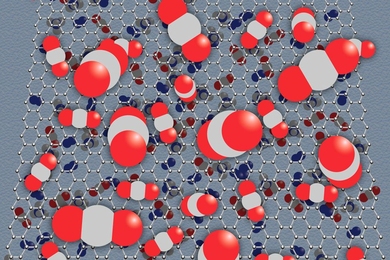
Novel membrane material removes more impurities, without the need for toxic solvents.
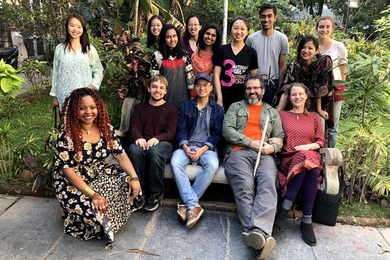
MIT students connect with premier Indian institutes, hospitals, and students to collaborate on “humanistic” assistive design.
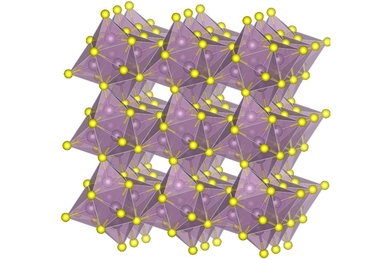
“Hybrid” cathodes could provide more power for a given weight and volume.
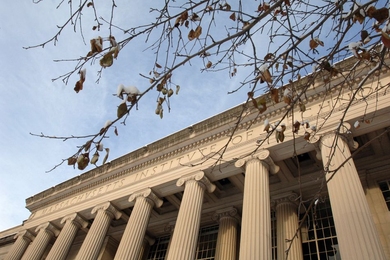
Graduate engineering program is No. 1 in the nation; MIT Sloan is No. 3.
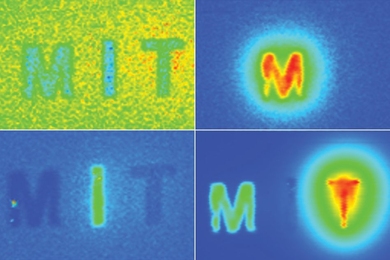
Near-infrared technology pinpoints fluorescent probes deep within living tissue; may be used to detect cancer earlier.
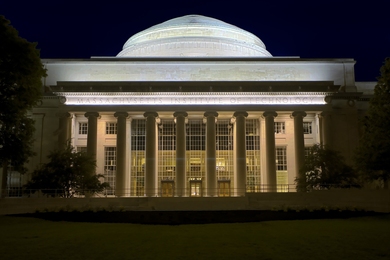
Institute ranks within the top 2 in 17 of 48 subject areas.
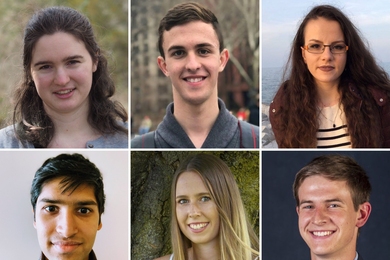
Undergraduate research projects show how students are advancing research in human and artificial intelligence, and applying intelligence tools to other disciplines.